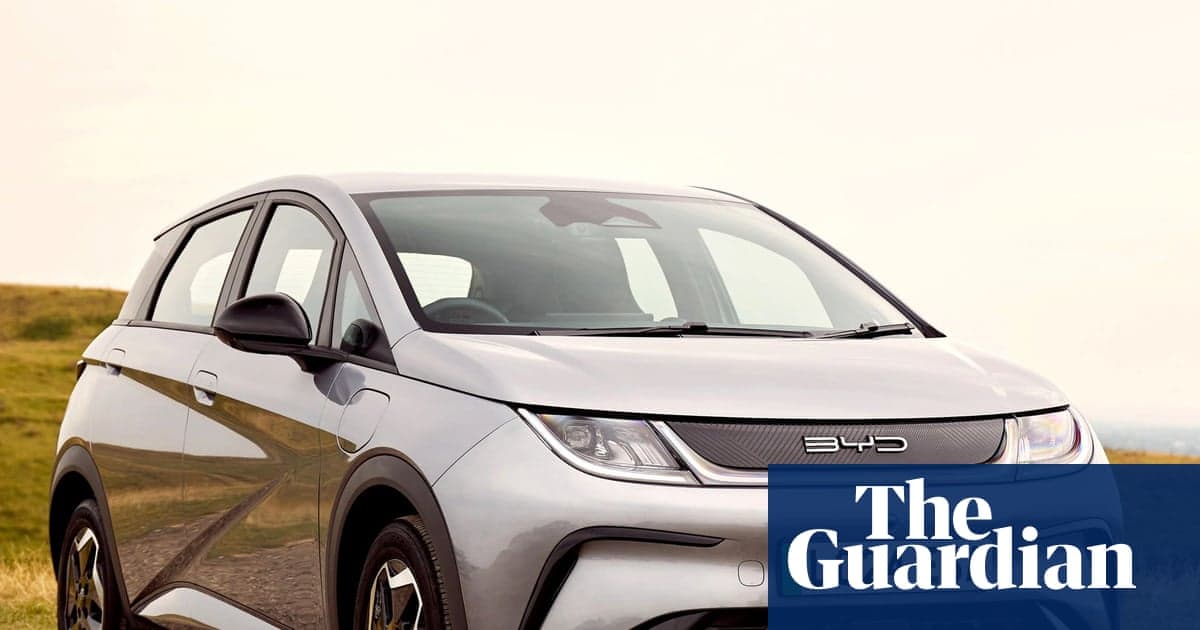
EU Faces ‘China Shock’ as EV Imports Drive Beijing’s Record Surplus with Bloc
Why It Matters
Escalating Chinese EV imports deepen the EU’s trade imbalance and expose strategic vulnerabilities in critical minerals, prompting policy shifts that could reshape European manufacturing and trade relations.
Key Takeaways
- •EU trade surplus with China hit $83 bn in Q1 2026
- •Chinese EV sales to Europe doubled to $20.6 bn, one‑third of exports
- •EU tariffs up to 35% on Chinese cars prove ineffective
- •Europe relies on China for 93% of permanent magnets
- •EU’s “Made in Europe” plan targets strategic sectors amid China shock
Pulse Analysis
The latest customs figures reveal that China’s trade surplus with the European Union surged to $83 bn in the first quarter of 2026, a record driven largely by electric‑vehicle imports. 6 bn, representing roughly a third of China’s total vehicle export value and covering 42% of the continent’s EV market when the UK, Norway and Switzerland are included. This rapid influx coincides with a 50% month‑on‑month surge in March, underscoring Europe’s growing appetite for affordable, battery‑powered cars amid the ongoing Iran‑related supply disruptions. Brussels has responded with a mix of defensive measures and industrial ambition.
Tariffs of up to 35% were levied on several Chinese car brands in 2024, yet imports continue to rise, highlighting the limited impact of price barriers. Simultaneously, the EU’s proposed “Made in Europe” Industrial Accelerator Act seeks to protect strategic sectors, from automotive to rare‑earth processing, by encouraging domestic production and reducing reliance on Chinese inputs. The bloc remains dependent on China for 93% of permanent magnets and a growing share of lithium‑hydroxide, prompting a push for supply‑chain diversification.
Looking ahead, the trade imbalance could force a recalibration of Europe’s industrial policy. German Chancellor Friedrich Merz’s call to halve the deficit reflects mounting political pressure to “derisk” the relationship, while initiatives such as Sweden’s LKAB iron‑ore project aim to create a home‑grown source of critical minerals. If the EU can successfully scale domestic battery and magnet production, it may blunt China’s leverage and stimulate a new wave of green manufacturing jobs. However, any escalation of trade tensions risks retaliation, making diplomatic engagement and WTO‑compliant rules essential to maintain market openness.
EU faces ‘China shock’ as EV imports drive Beijing’s record surplus with bloc
Comments
Want to join the conversation?
Loading comments...