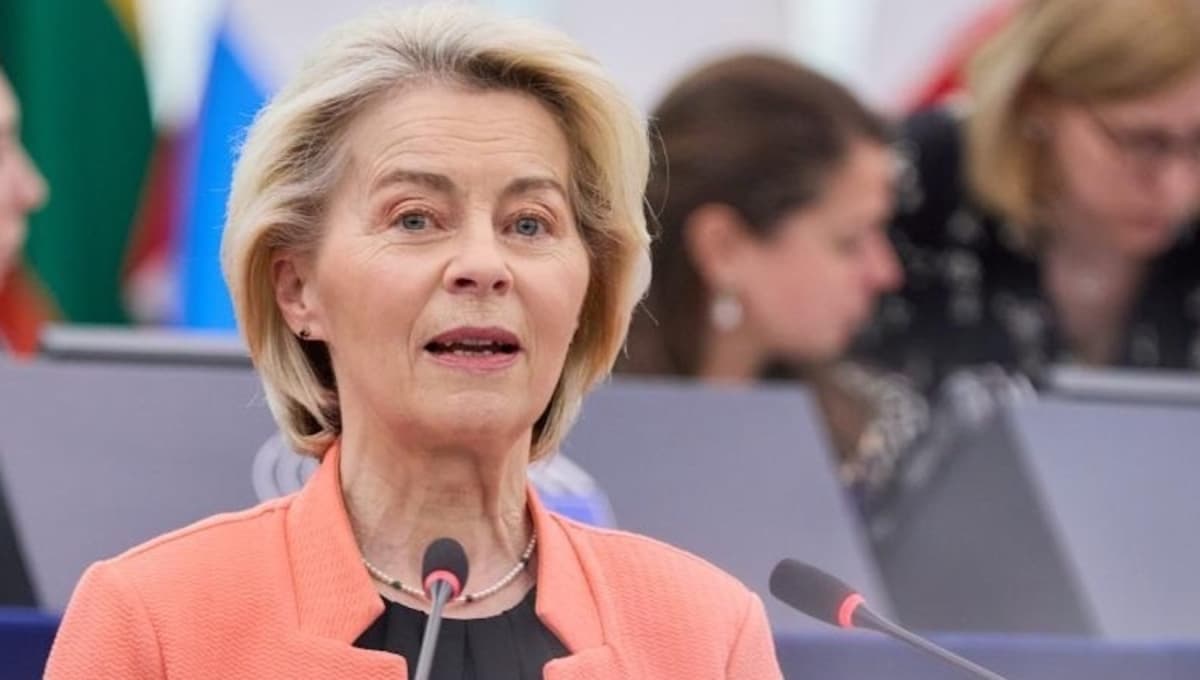
EU Pledges Aid to Armenia, Accuses Russia of Economic Coercion
Why It Matters
EU financial support helps Armenia mitigate Russian trade pressure and accelerates its pivot toward European markets, reshaping regional economic alignments. The move signals a broader EU strategy to deepen influence in the South Caucasus amid shifting security dynamics.
Key Takeaways
- •EU pledges over $55 million to offset Russian trade restrictions on Armenia
- •Support targets agri‑food sector, especially flower exports blocked by Russia
- •Armenia moves toward EU membership, reducing reliance on Russian security ties
- •New EU‑Armenia task force will coordinate market diversification and infrastructure projects
- •Rail links via Georgia and Turkey boost Armenia’s trade hub role
Pulse Analysis
The EU’s €50 million aid package arrives at a critical juncture for Armenia, which has faced a cascade of Russian export bans since 2024. By framing Moscow’s restrictions as "economic coercion," Brussels not only defends its partner’s market access but also underscores a strategic intent to counter Russian influence in the South Caucasus. The assistance targets high‑value agri‑food sectors—most notably the flower industry—providing short‑term relief while laying groundwork for longer‑term diversification into European supply chains.
Beyond the immediate financial infusion, the EU’s commitment dovetails with Armenia’s broader reform agenda. The parliament’s recent vote to pursue EU membership, coupled with the Resilience and Growth Plan that has already supported 7,000 businesses and created over 20,000 jobs, signals a decisive shift away from reliance on Russian security guarantees. By facilitating alternative export routes and investing in border‑crossing infrastructure, the EU aims to embed Armenia into a trans‑regional trade network that links Europe, the South Caucasus, and Central Asia, enhancing the country’s attractiveness to foreign investors.
Regionally, the announcement reinforces the EU’s emerging role as a stabilising economic actor in a volatile neighborhood. The reopening of rail corridors through Georgia and Turkey, combined with the upcoming EU‑Armenia Connectivity Platform meeting, could transform Yerevan into a logistical hub for goods flowing between Europe and Asia. As the EU deepens its partnership, Moscow may face heightened diplomatic pressure, potentially reshaping the balance of power in the Caucasus and prompting other neighboring states to reconsider their own alignments.
EU pledges aid to Armenia, accuses Russia of economic coercion
Comments
Want to join the conversation?
Loading comments...