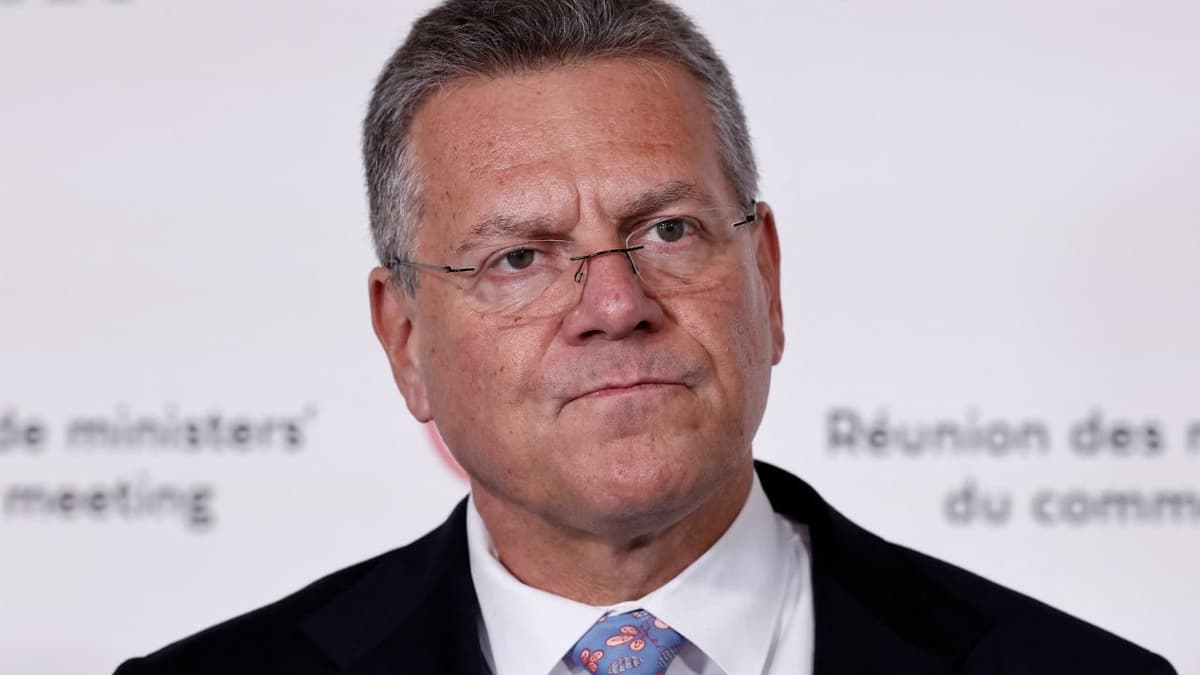
EU Trade Chief Swipes at China’s Overcapacity, but Seeks ‘Meaningful’ Talks with Beijing
Why It Matters
The widening EU‑China deficit and perceived subsidy‑driven overcapacity threaten European manufacturers, making high‑level talks essential to rebalance trade and avert escalation. Successful negotiations could reshape the EU‑China trade architecture and set precedents for global market rules.
Key Takeaways
- •EU deficit with China grows €1 bn (US$1.16 bn) daily.
- •Sefcovic seeks practical, result‑oriented dialogue, not escalation.
- •Upcoming Brussels meeting aims for concrete trade outcomes.
- •EU wants to cut 60 working groups to streamlined platform.
- •China rejects OECD report on subsidies as “one‑sided”
Pulse Analysis
The European Union faces a structural trade imbalance with China, now running at about €1 billion (US$1.16 billion) a day. This gap reflects not only a surplus of Chinese exports but also concerns over state‑backed subsidies that give Chinese firms a competitive edge abroad. An OECD analysis estimates Chinese companies receive three to eight times more government support than rivals, fueling a 60 percent share gain in overseas markets. While Beijing disputes the methodology, the data fuels EU calls for a more level playing field.
Maros Sefcovic’s diplomatic overture signals a shift from rhetorical criticism to pragmatic engagement. By emphasizing a "practical, result‑oriented" approach, he aims to mirror the frequency of US‑China trade talks while avoiding escalation. The upcoming Brussels session with Wang Wentao is expected to condense the existing 60 working groups into a single, actionable platform, a move that could accelerate policy responses to overcapacity and market distortion. Both sides have pledged intensive preparatory exchanges, indicating a willingness to translate high‑level dialogue into measurable trade adjustments.
If the talks yield concrete mechanisms—such as joint subsidy monitoring or export‑import balancing measures—the EU could safeguard key industries and stimulate its own exports to China, which currently lag behind those to smaller economies like Switzerland. Conversely, a stalemate may deepen the deficit and prompt protective measures, reshaping supply chains across Europe. The outcome will reverberate beyond the continent, influencing how major economies address state‑driven market interventions in an increasingly interdependent global trade system.
EU trade chief swipes at China’s overcapacity, but seeks ‘meaningful’ talks with Beijing
Comments
Want to join the conversation?
Loading comments...