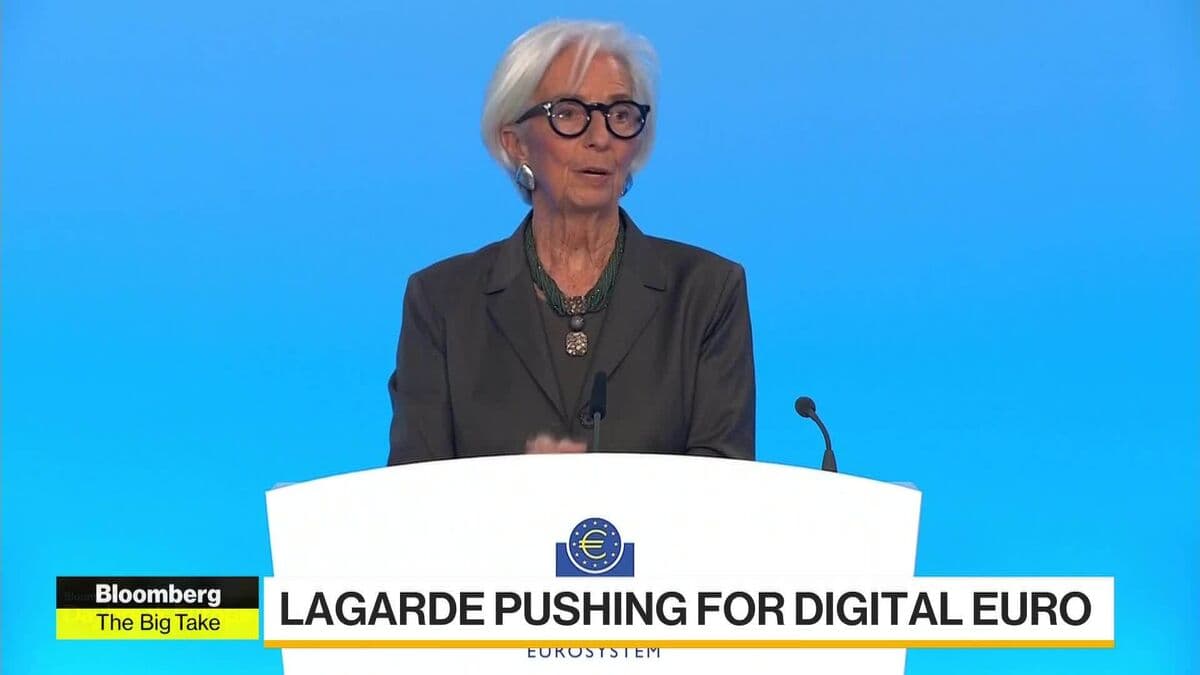
Europe Is Debating a Digital Euro But Progress Is Slow
Why It Matters
A digital euro is critical for Europe’s financial independence and to keep the euro competitive in a world where stablecoins and tokenized payments are dominated by the dollar and China. Lagging behind could weaken the euro’s role in cross‑border commerce and digital finance.
Key Takeaways
- •ECB targets digital euro launch by 2029, citing sovereignty concerns
- •U.S. stablecoin framework could boost digital dollar dominance worldwide
- •China’s digital yuan already operational, pressuring Europe to act
- •Delayed rollout may erode euro’s relevance in tokenized payments
Pulse Analysis
Europe’s digital euro project reflects a broader strategic push for monetary sovereignty amid a rapidly evolving crypto landscape. The ECB’s timeline—aiming for a 2029 rollout—signals caution, but also urgency, as policymakers cite the risk of dependence on foreign payment networks run by U.S. firms. Lagarde’s advocacy underscores the desire to embed the euro in the emerging ecosystem of central‑bank digital currencies (CBDCs) and stablecoins, ensuring that Europe retains a foothold in future digital commerce.
Across the Atlantic, the United States is moving forward with the Genius Act, establishing clear rules for stablecoins and paving the way for a digital dollar. This regulatory clarity could accelerate dollar‑denominated token adoption, further entrenching the dollar’s dominance—currently 99% of stablecoins are dollar‑linked. Meanwhile, China’s digital yuan is already live, offering a state‑backed alternative that can be used for cross‑border payments. These developments create a competitive pressure cooker, where Europe risks becoming a laggard if its CBDC remains years away.
The implications for European banks, fintech firms, and consumers are profound. A delayed digital euro may limit the euro’s utility in tokenized transactions, pushing businesses toward dollar or yuan‑based solutions. To mitigate this, the ECB could accelerate pilot programs, foster public‑private partnerships, and harmonize regulatory frameworks with other jurisdictions. Strengthening digital payment infrastructure now would not only safeguard the euro’s relevance but also reinforce Europe’s broader economic resilience in an increasingly digital global economy.
Europe Is Debating a Digital Euro But Progress Is Slow
Comments
Want to join the conversation?
Loading comments...