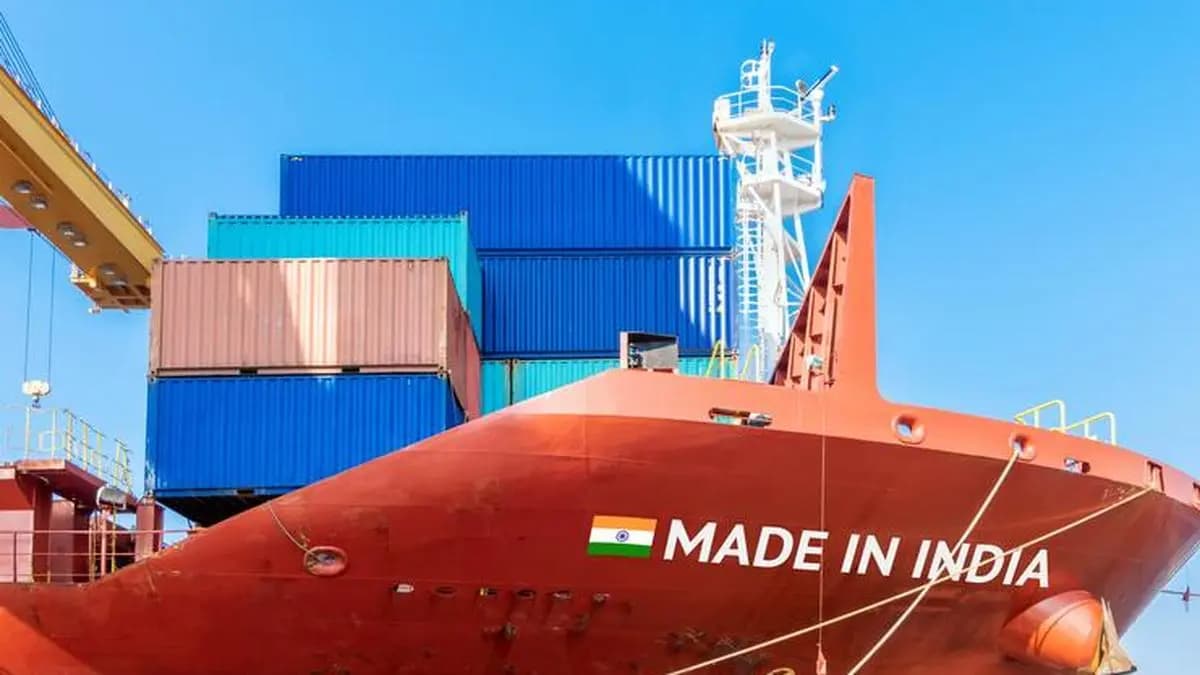
Exports Rise 0.61% to $36.56 Billion in January
•February 16, 2026
0
Why It Matters
The sharp import surge deepens the trade gap, pressuring policymakers to boost export competitiveness and manage external imbalances.
Key Takeaways
- •Exports grew 0.61% to $36.56 bn in January.
- •Imports surged 19.2% to $71.24 bn, widening deficit.
- •Trade deficit reached $34.68 bn, double prior year.
- •Fiscal-year exports projected to exceed $860 bn.
- •April‑January exports up 2.22% to $366.63 bn.
Pulse Analysis
January’s export data shows India maintaining a north‑bound trajectory in goods and services, yet the pace is modest. A 0.61% rise to $36.56 billion reflects resilience in sectors such as pharmaceuticals and engineering, but the growth is dwarfed by a 19.2% jump in imports, driven largely by crude oil, electronics, and capital goods. The resulting $34.68 billion trade deficit underscores the vulnerability of the current account to external price shocks and underscores the need for a balanced trade strategy.
The fiscal‑year outlook remains optimistic, with officials forecasting total exports to cross $860 billion. This target hinges on expanding high‑value services, leveraging digital trade, and capitalising on trade agreements like the Regional Comprehensive Economic Partnership. Simultaneously, the government is likely to tighten import licensing for non‑essential commodities and promote domestic manufacturing under the "Make in India" initiative to curb the widening deficit. Policy levers such as export incentives, credit support, and infrastructure upgrades will be critical to sustain momentum.
Looking ahead, global demand patterns and commodity price volatility will shape India’s trade balance. A gradual recovery in key markets such as the United States and Europe could boost demand for Indian textiles, automotive components, and IT services. Conversely, sustained high oil prices may keep import bills elevated. Strategic diversification of export baskets, coupled with supply‑chain resilience, will be essential for India to convert its export growth into a more favorable trade position and support broader macroeconomic stability.
Exports rise 0.61% to $36.56 billion in January
0
Comments
Want to join the conversation?
Loading comments...