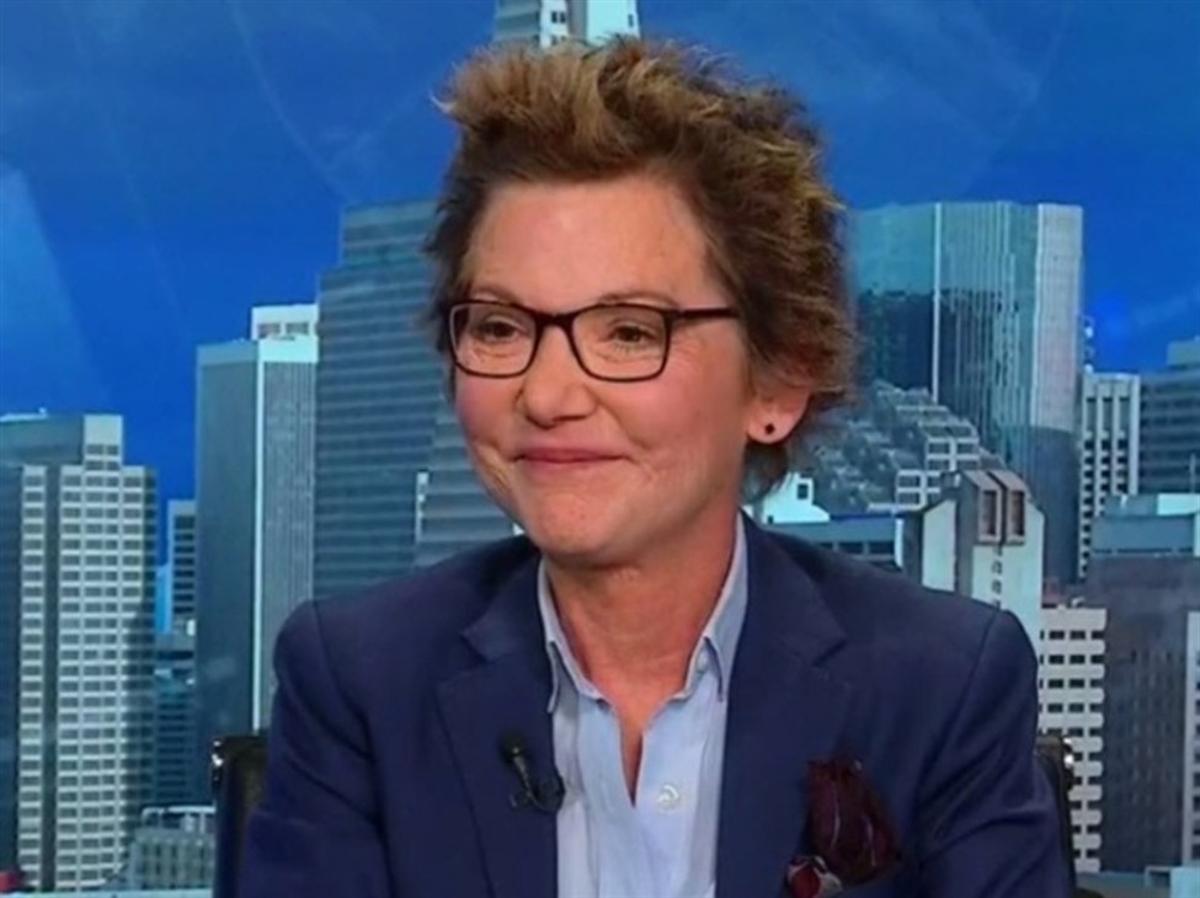
Fed's Daly: Businesses Cautiously Optimistic
Why It Matters
Daly’s structural view shifts market expectations for employment data and signals a longer‑run focus on productivity, influencing inflation forecasts and Fed policy decisions.
Key Takeaways
- •Daly foresees zero net job growth as a new baseline.
- •Productivity gains from AI and tech are essential to offset labor decline.
- •Demographic slowdown will drive labor force stagnation.
- •Oil price and geopolitical risks remain key economic uncertainties.
- •Consumer nervousness persists, yet spending remains resilient.
Pulse Analysis
Federal Reserve Governor Lisa Daly used a recent remarks to flag a possible new equilibrium in the U.S. labor market: zero net job creation. She attributes the shift to a flattening labor‑force participation rate driven by aging demographics and slower immigration. In Daly’s view, the economy will increasingly rely on higher productivity rather than head‑count growth to sustain output. This structural framing signals to investors that future employment reports may look weaker without necessarily implying a recession, reshaping expectations for the Fed’s inflation outlook.
To bridge the labor gap, Daly emphasizes technology and artificial intelligence as the primary engines of productivity. Companies that accelerate digital transformation can generate more output per worker, cushioning the economy from wage pressures that typically arise in tight labor markets. However, if AI‑driven gains stall, the combination of stagnant hiring and robust demand could spark a wage‑price spiral, forcing the Fed to keep rates higher for longer. The governor’s bet on sustained tech investment therefore becomes a litmus test for future monetary policy flexibility.
Oil price volatility and ongoing geopolitical tensions remain the other major uncertainty in Daly’s outlook. Higher energy costs can erode consumer purchasing power, even as the underlying consumer base stays relatively resilient. While shoppers continue to spend, lingering nervousness could translate into slower growth if oil‑driven inflation persists. For the Fed, the interplay of demographic headwinds, productivity trends, and energy shocks will dictate the timing of any rate cuts. Market participants should watch corporate capital‑expenditure plans and energy price movements as early indicators of how the “new steady state” evolves.
Fed's Daly: Businesses cautiously optimistic
Comments
Want to join the conversation?
Loading comments...