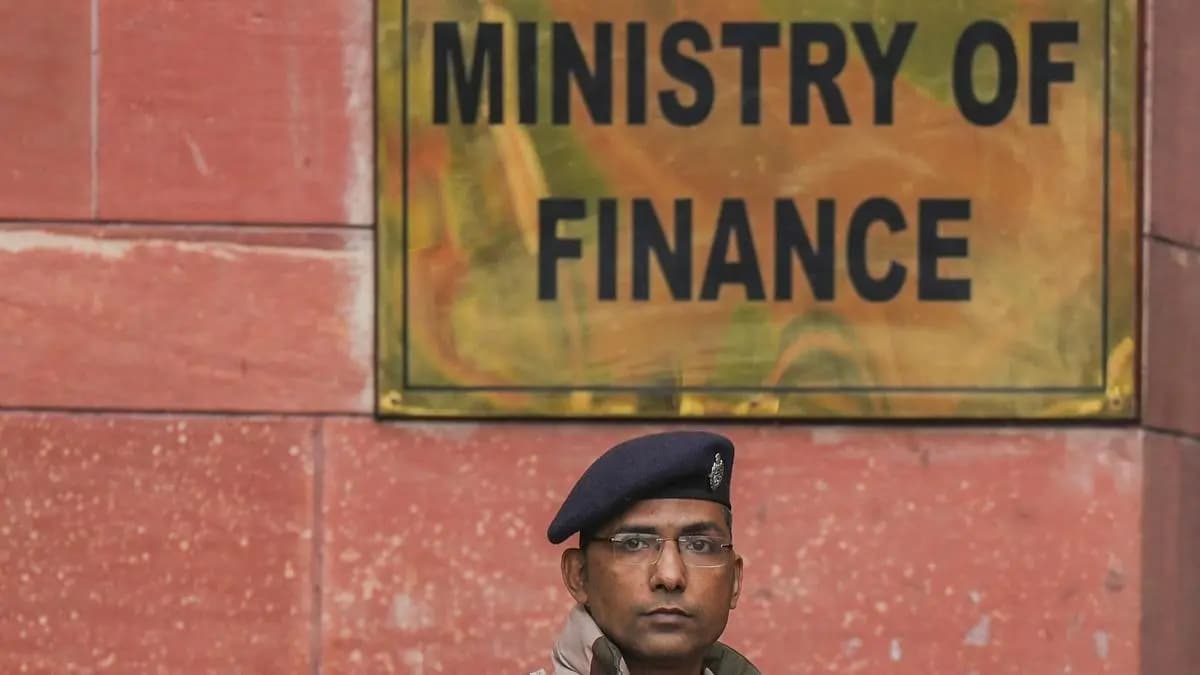
Finmin Seeks Parliamentary Approval for ₹1 Lakh Cr ‘Economic Stabilisation Fund’ to Face War-Induced Volatility
•March 10, 2026
0
Why It Matters
The fund signals a proactive fiscal shield against geopolitical shocks, helping preserve market stability and fiscal credibility.
Key Takeaways
- •₹1 lakh cr fund targets West Asia war volatility.
- •Fund financed half by fresh cash, half by ministry savings.
- •Part of ₹2.81 lakh cr supplementary demand for grants.
- •ICRA expects fiscal deficit unchanged despite ₹2 lakh cr outgo.
- •Defence, fertilizer, PMGKAY subsidies dominate additional spending.
Pulse Analysis
The escalation of hostilities in West Asia has sent shockwaves through global commodity markets, exposing emerging economies to heightened volatility. In response, the Indian government is creating a dedicated Economic Stabilisation Fund of ₹1 lakh crore, a scale comparable to previous crisis‑response mechanisms such as the 2020 pandemic relief package. By institutionalising a reserve specifically for geopolitical risk, policymakers aim to smooth out sudden demand‑supply imbalances and protect domestic inflation expectations, thereby reinforcing macro‑economic resilience. Moreover, the fund’s size reflects the government’s assessment that prolonged supply chain disruptions could translate into real‑economy slowdown if left unchecked.
Financing the fund relies on a hybrid approach: roughly 50 % will come from fresh cash outlays, while the remaining half is sourced from savings across ministries and enhanced revenue recoveries. The broader supplementary demand for grants totals more than ₹2.81 lakh crore, with net cash requirements around ₹2 lakh crore. ICRA’s chief economist Aditi Nayar argues that the offsetting savings—particularly in defence, fertilizer and the PMGKAY subsidy programmes—should neutralise any upward pressure on the fiscal deficit, preserving India’s debt‑to‑GDP trajectory. The savings component draws on efficiency drives in public procurement and tighter subsidy targeting, which have already yielded modest fiscal gains in recent quarters.
For investors and businesses, the announcement provides a clear policy backstop that can mitigate abrupt currency swings and credit tightening linked to external shocks. By earmarking resources for a specific volatility buffer, the government also signals fiscal prudence, which may bolster sovereign ratings and lower borrowing costs. Looking ahead, the fund could be activated for future crises—whether geopolitical, climate‑related or pandemic‑driven—offering a flexible tool that aligns with India’s broader objective of sustainable, inclusive growth. Analysts also note that a transparent governance framework for fund deployment will be crucial to avoid politicisation and ensure timely disbursements when market stress peaks.
Finmin seeks Parliamentary approval for ₹1 lakh cr ‘Economic Stabilisation Fund’ to face war-induced volatility
0
Comments
Want to join the conversation?
Loading comments...