For Oil Prices, It’s The Fear Not The Barrels
•March 2, 2026
0
Why It Matters
A disruption in Hormuz threatens immediate supply shortages, prompting price volatility that can ripple through inflation and global growth. Understanding the balance between physical supply constraints and market fear is critical for policymakers and investors.
Key Takeaways
- •Hormuz closure could remove 10‑20 mb/d supply.
- •Panic buying may push oil above $100/barrel.
- •IEA reports adequate OECD stocks but uneven distribution persists.
- •Historical 1979 crisis shows hoarding amplifies price spikes.
- •SPR release could temper short‑term price surge.
Pulse Analysis
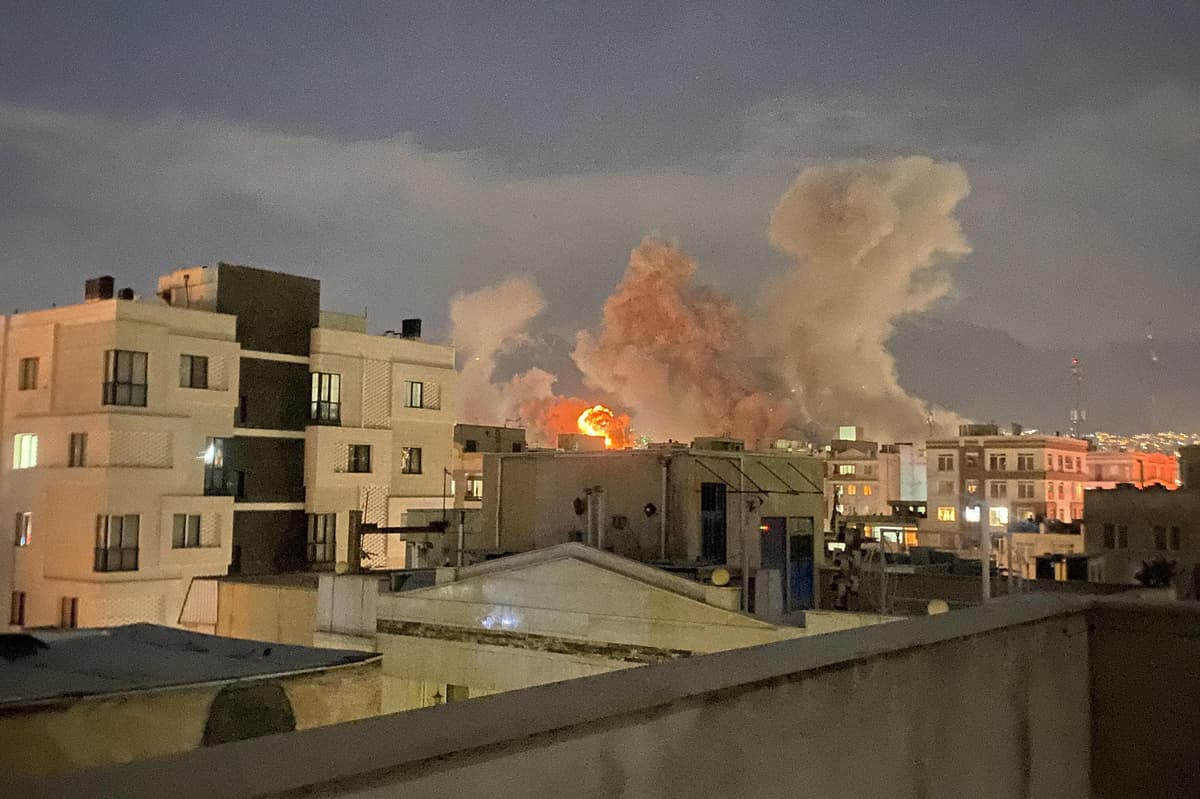
The latest flare‑up between Iran, the United States and Israel has revived the specter of a Straits of Hormuz blockage, a chokepoint that moves roughly a tenth of world oil daily. While the physical loss of 10‑20 million barrels per day would be significant, markets often react more to perceived risk than to actual supply gaps. Traders’ expectations can create a self‑fulfilling price loop, especially when news outlets amplify uncertainty. Consequently, even a brief interruption can trigger a rapid climb toward $100 per barrel, as buyers scramble to secure contracts before the pipeline dries up.
Inventory data adds nuance to the headline narrative. The International Energy Agency notes that OECD stockpiles rose modestly last year, yet a large portion of the global surplus is tied up in “sanctioned oil on water” and Chinese government reserves, effectively removing it from the free market. This hidden inventory, combined with the “missing barrels” phenomenon, means that while headline figures suggest ample supply, the actual liquid available to vulnerable importers—particularly those dependent on Persian Gulf shipments—remains limited. The uneven geographic distribution of stocks can therefore intensify regional panic, even if global numbers appear healthy.
Behavioral economics explains why rational hoarding can destabilize markets. As consumers line up at pumps, the visible queues reinforce the belief of scarcity, prompting more drivers to fill tanks, a feedback loop mirrored in futures trading. Momentum traders amplify price moves until a decisive event—such as a cease‑fire or a coordinated strategic petroleum reserve release—breaks the cycle. Prolonged price spikes would erode consumer confidence, lift inflation, and dampen economic activity, underscoring why policymakers must balance communication, reserve deployment, and diplomatic efforts to restore market stability.
For Oil Prices, It’s The Fear Not The Barrels
0
Comments
Want to join the conversation?
Loading comments...