Why It Matters
Understanding the hidden diplomatic dynamics behind the U.S.–China trade war helps businesses anticipate policy shifts, supply‑chain risks, and market volatility, making the series essential viewing for investors and strategists.
Key Takeaways
- •Four Corners airs "Clash of the Superpowers" on May 11.
- •Series reveals private US‑China negotiations behind trade war.
- •Highlights technology, security, and alliance pressures shaping bilateral tensions.
- •Offers insight into future policy directions for both nations.
Pulse Analysis
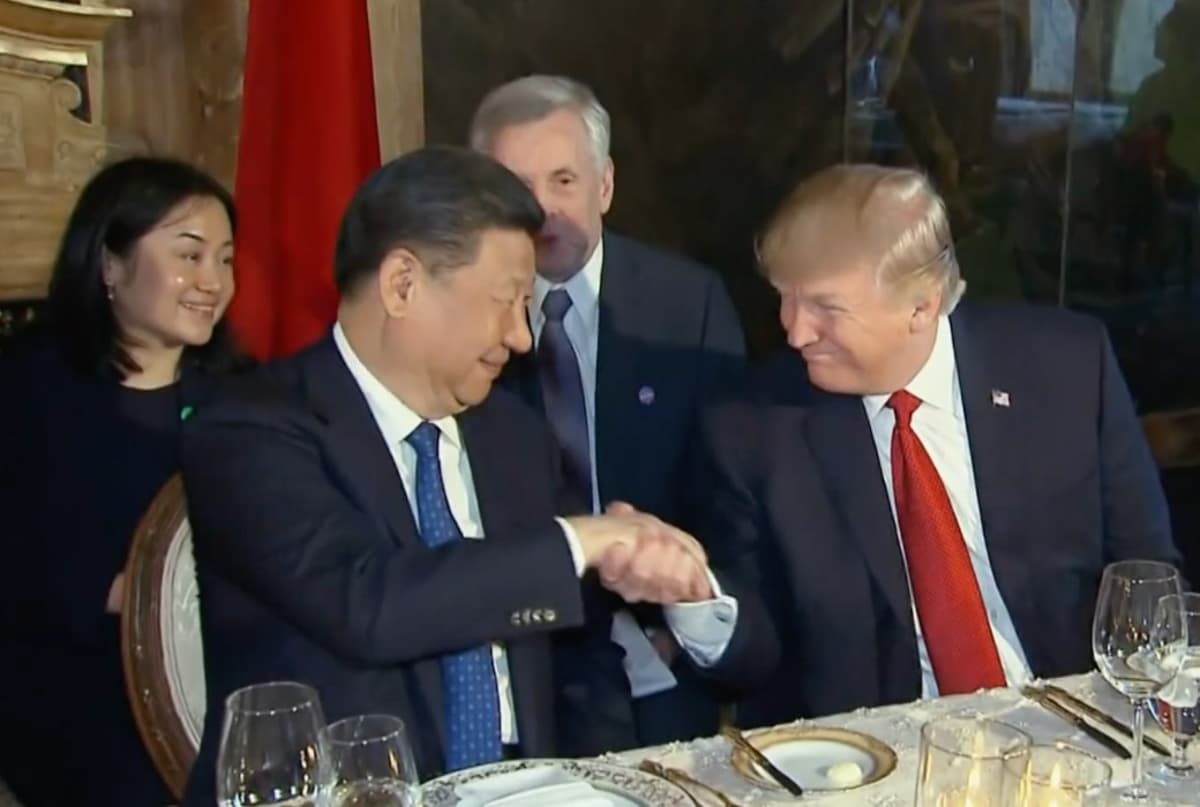
The United States and China have been locked in a public trade war for nearly a decade, but the real story often unfolds behind closed doors. While tariffs and headlines dominate headlines, the strategic conversations that determine policy are rarely disclosed. By pulling back the curtain on those private meetings, Four Corners provides a unique lens into the diplomatic calculus that drives tariff escalations, technology bans, and security alliances. For executives monitoring global risk, these insights clarify the underlying motives that shape regulatory environments.
Norma Percy, known for her investigative depth, brings her signature rigor to "Clash of the Superpowers." The documentary stitches together testimonies from former officials, industry leaders, and negotiators, creating a narrative that connects high‑level rhetoric to concrete business outcomes. Viewers gain a clearer picture of how decisions on semiconductor export controls, intellectual‑property enforcement, and supply‑chain diversification were negotiated. This context is valuable for companies reevaluating China exposure, as it highlights the political triggers that could prompt sudden policy shifts.
Looking ahead, the series hints at possible trajectories for U.S.–China relations, from continued decoupling to tentative cooperation in climate and health. Investors and corporate strategists can use these revelations to model scenario‑based forecasts, adjust capital allocation, and engage more effectively with policymakers. By understanding the private dynamics that shape public policy, businesses can better navigate the geopolitical landscape and mitigate the risks associated with one of the world’s most consequential bilateral relationships.
Four Corners: May 11
Comments
Want to join the conversation?
Loading comments...