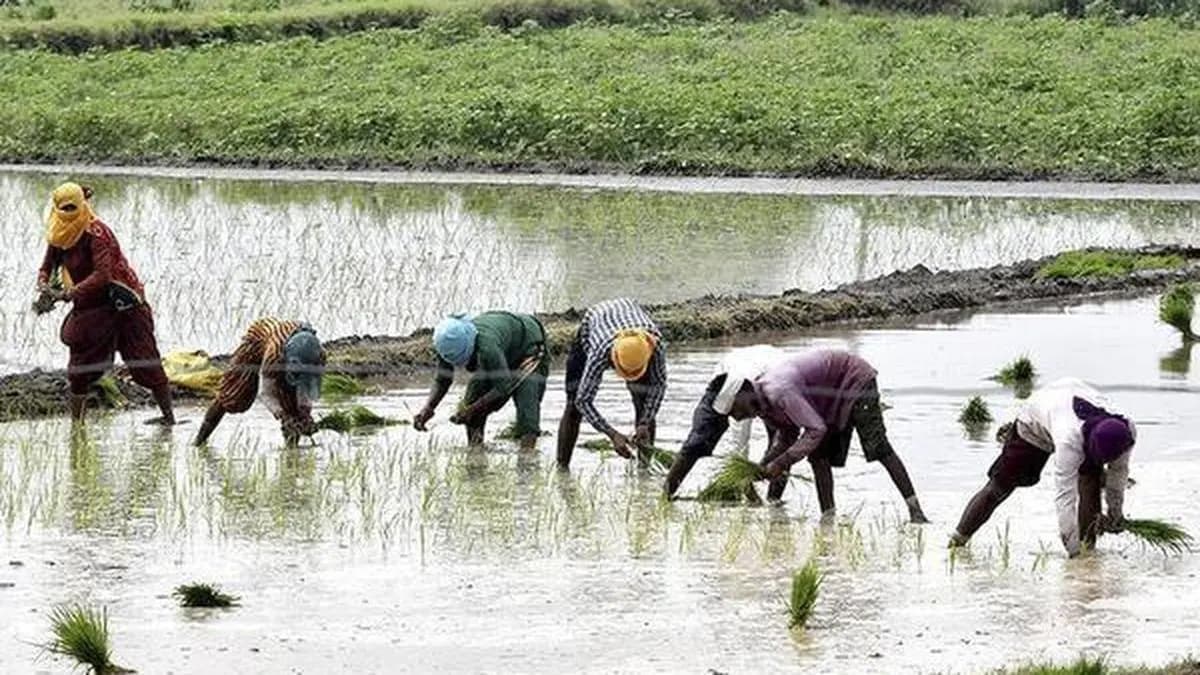
Future Inflation Trajectory Will Be Shaped by Pass Thru of Higher Energy Prices, Progress of Kharif Sowing
Companies Mentioned
Why It Matters
The outlook signals upward pressure on consumer prices from energy and food supply constraints, prompting tighter monetary policy considerations for the Reserve Bank of India.
Key Takeaways
- •Higher energy prices could lift retail inflation in India.
- •Kharif sowing area fell by 300,000 hectares, pressuring food prices.
- •Imported inflation contribution eased to 1.42% in April 2026.
- •Restaurant and accommodation CPI surged amid LPG shortages.
- •West Asia conflict remains a key driver of CPI volatility.
Pulse Analysis
India’s inflation outlook is increasingly shaped by external energy dynamics. Global oil prices have surged amid geopolitical tensions, and the pass‑through to Indian retail fuels cost pressures across sectors. While the RBI has kept policy rates steady, the ERD’s 4.5% FY27 CPI forecast suggests that any further energy price spikes could force a policy pivot. Analysts also note that India’s reliance on imported crude makes the economy vulnerable to supply shocks, reinforcing the need for strategic reserves and demand‑side measures to temper headline inflation.
Agricultural supply constraints are another critical vector. The latest satellite data shows a 300,000‑hectare contraction in Kharif sowing, eroding the area under summer crops just as monsoon forecasts remain mixed. This shortfall feeds higher food price inflation, already evident in the rise to 4.01% in April. The FAO food‑price index corroborates the trend, with vegetable oils, meat, and cereals posting consecutive monthly gains. Policymakers must balance procurement interventions with market‑based incentives to safeguard food security without stoking further price spikes.
Imported inflation, though a smaller share of the CPI basket, continues to exhibit regional divergence. States like Telangana recorded imported price pressures near 12%, while others remain below the national average. The West Asia conflict adds another layer of uncertainty, influencing both energy and commodity import costs. As the RBI evaluates its stance, the interplay of external shocks, domestic supply gaps, and sector‑specific price surges will dictate whether inflation expectations stay anchored or drift higher. Stakeholders should monitor energy price pass‑through rates, monsoon outcomes, and geopolitical developments for a clearer picture of India’s price trajectory.
Future inflation trajectory will be shaped by pass thru of higher energy prices, progress of Kharif sowing
Comments
Want to join the conversation?
Loading comments...