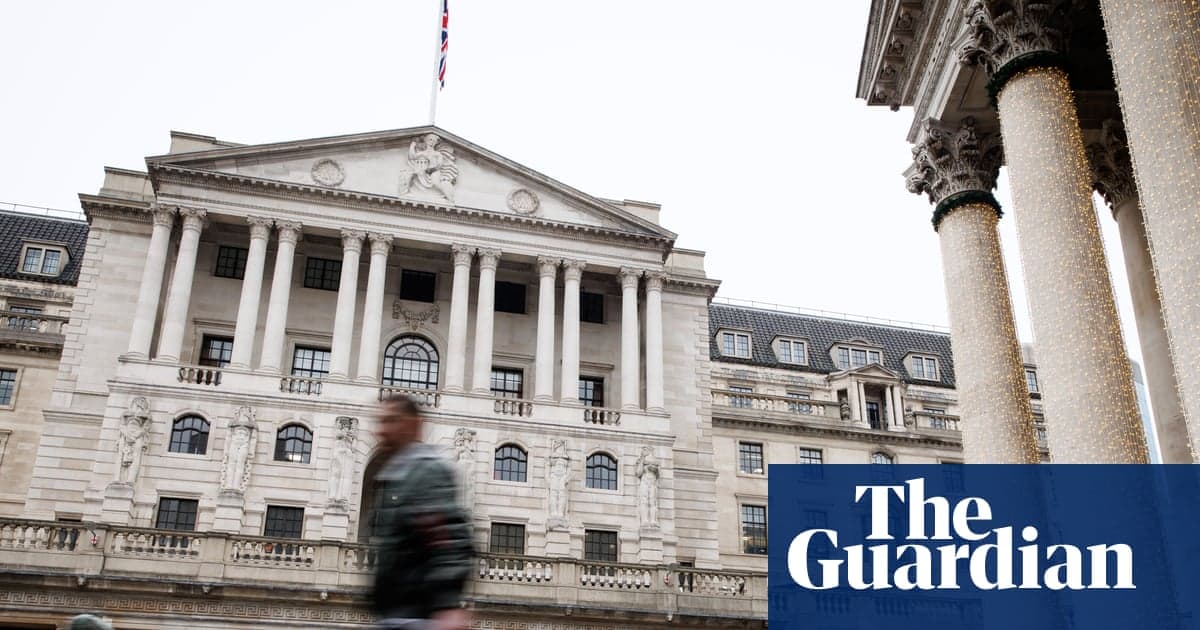
G7 Central Banks Poised to Hold Borrowing Costs Amid Concerns over Prolonged Iran War
Companies Mentioned
Why It Matters
Holding rates signals that central banks are prioritizing price stability over premature tightening, but a prolonged conflict could lock in higher inflation and constrain growth across advanced economies.
Key Takeaways
- •G7 rates expected unchanged as Iran war fuels inflation
- •Fed's likely hold marks Jerome Powell's final policy meeting
- •UK Bank of England rates sit at 3.75% amid energy price spikes
- •Markets price ~100% chance of rate holds across G7
- •Politicians brace for energy support as conflict drags on
Pulse Analysis
The escalation of the Iran conflict has resurfaced supply‑chain bottlenecks and energy‑price shocks that were beginning to ease after the pandemic. With oil flows disrupted and geopolitical risk premiums climbing, inflationary headlines have re‑emerged in the United States, Europe and Japan. Central banks, therefore, are adopting a cautious tone, emphasizing communication over immediate policy shifts. By signaling a hold, they aim to avoid destabilising markets while gathering more data on how the war will affect consumer prices and wage growth.
In the United States, the Federal Reserve’s anticipated pause comes at what many analysts view as Jerome Powell’s swan song. The decision reflects a delicate balance: inflation remains above the 2% target, yet the labor market shows resilience, and a premature hike could tip the economy toward recession. Across the Atlantic, the Bank of England’s 3.75% rate sits at a level that already strains households facing soaring petrol and electricity bills. The European Central Bank and the Bank of Japan share a similar outlook, with policymakers wary of tightening too quickly while the war threatens to reignite core price pressures.
Looking ahead, the durability of the rate hold hinges on the conflict’s trajectory. If hostilities persist, central banks may be forced to keep borrowing costs elevated longer than initially planned, pressuring corporate financing and consumer borrowing. Conversely, a diplomatic de‑escalation could restore energy flows, allowing a gradual easing cycle. Investors and businesses should monitor central‑bank communications closely, as any shift from the current “stay calm but stay vigilant” stance could trigger rapid market adjustments.
G7 central banks poised to hold borrowing costs amid concerns over prolonged Iran war
Comments
Want to join the conversation?
Loading comments...