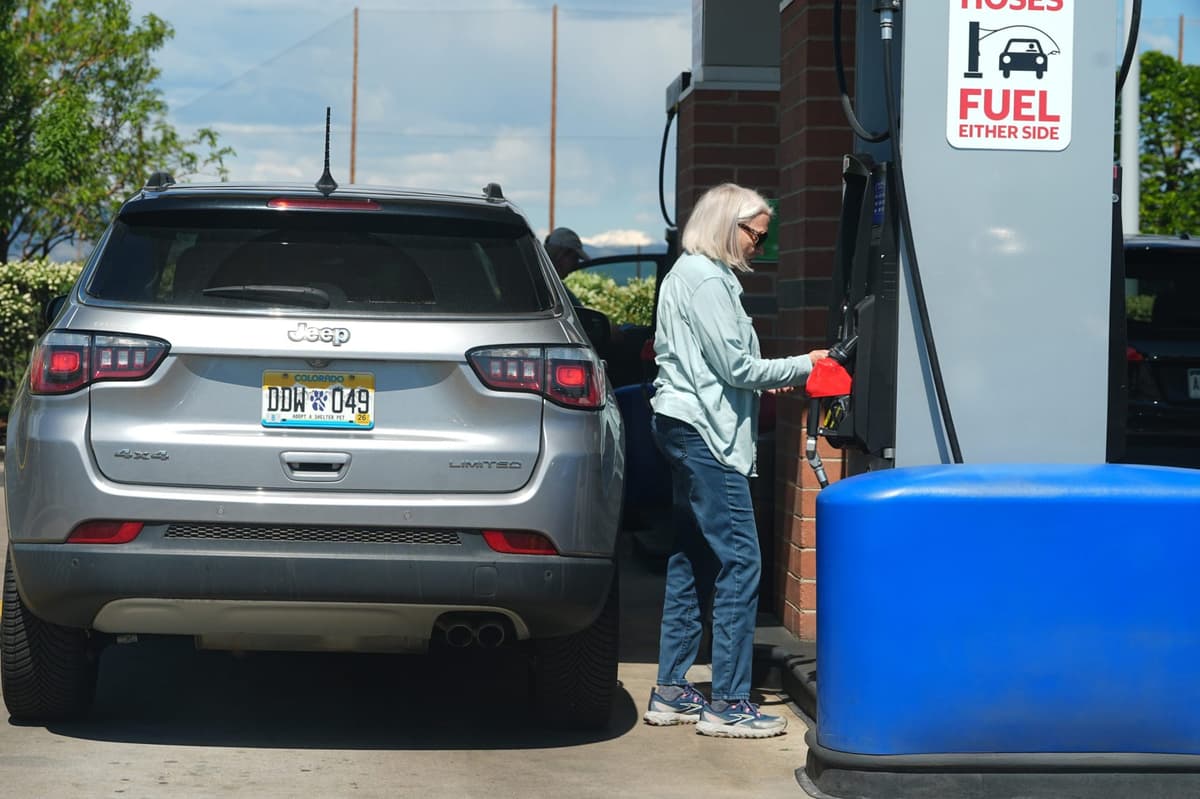
Gas Is up 51% Since February. Americans Just Started Buying Less of Everything Else
Why It Matters
Rising energy costs and persistent inflation are squeezing disposable income, prompting broad consumer pullback that could dampen economic growth and influence political dynamics ahead of the midterms.
Key Takeaways
- •Gas prices up 51% since February, now $4.49/gal.
- •Consumer confidence fell to 93.1 in May, first decline in 3 months.
- •Two-thirds of Americans cutting spending, delaying big purchases.
- •Inflation hit 3.8% in April, above Fed’s 2% target.
- •Real hourly earnings fell for first time in three years.
Pulse Analysis
The surge in gasoline prices, now averaging $4.49 a gallon, reflects a confluence of geopolitical tension and constrained supply chains that began after the February war onset. For American drivers, the 51% price increase translates into a sizable bite out of monthly budgets, especially for lower‑income households that spend a larger share of earnings on transportation. This spike not only inflates the headline CPI but also amplifies the cost of goods that rely on freight, feeding a broader inflationary spiral.
Consumer sentiment has turned sharply negative, with the Conference Board’s confidence index slipping to 93.1 and the University of Michigan’s gauge hitting a record low. The data reveal that roughly two‑thirds of respondents are actively trimming discretionary spending, from apparel to hobby items, and postponing major purchases such as appliances or vehicles. Meanwhile, inflation at 3.8% in April outpaces the Fed’s 2% goal, and real hourly wages have contracted for the first time in three years, eroding purchasing power and raising the risk of a consumption‑driven slowdown.
Policymakers and investors are watching these trends closely. Persistent price pressures could force the Federal Reserve to maintain a tighter monetary stance, while the consumer pullback may temper the equity market’s recent rally. Politically, the discontent over high living costs is reshaping voter sentiment ahead of the midterm elections, potentially challenging incumbents who champion current economic policies. Understanding how energy costs intersect with inflation and confidence is essential for forecasting demand trends and strategic positioning across sectors.
Gas is up 51% since February. Americans just started buying less of everything else
Comments
Want to join the conversation?
Loading comments...