Germany's Merz, Brazil's Lula Stress Close European-Brazilian Cooperation
Why It Matters
The agreement unlocks tariff‑free market access for billions of euros of trade, positioning Brazil as a key supplier of critical minerals for Europe’s green transition. Strengthened AI and data‑centre cooperation could accelerate Europe’s digital competitiveness while diversifying Brazil’s industrial base.
Key Takeaways
- •EU-Mercosur free trade agreement effective May 1, 2026.
- •Brazil holds world's largest niobium reserves, second in graphite.
- •Leaders aim to boost AI, critical minerals, data centre cooperation.
- •Calls for technology transfer and local processing of raw materials.
- •German‑Brazilian government talks scheduled for Monday after Hanover fair.
Pulse Analysis
The EU‑Mercosur pact, finally activated on May 1, 2026, removes most tariffs on a trade corridor that accounts for roughly €100 billion in annual exchanges. By cementing a rules‑based framework, the deal gives European manufacturers reliable access to Brazil’s agricultural and industrial output while offering Brazilian exporters a gateway to the single market. Analysts expect the agreement to spur cross‑border investments, particularly in sectors where Europe seeks to diversify supply chains, such as automotive components and renewable‑energy equipment.
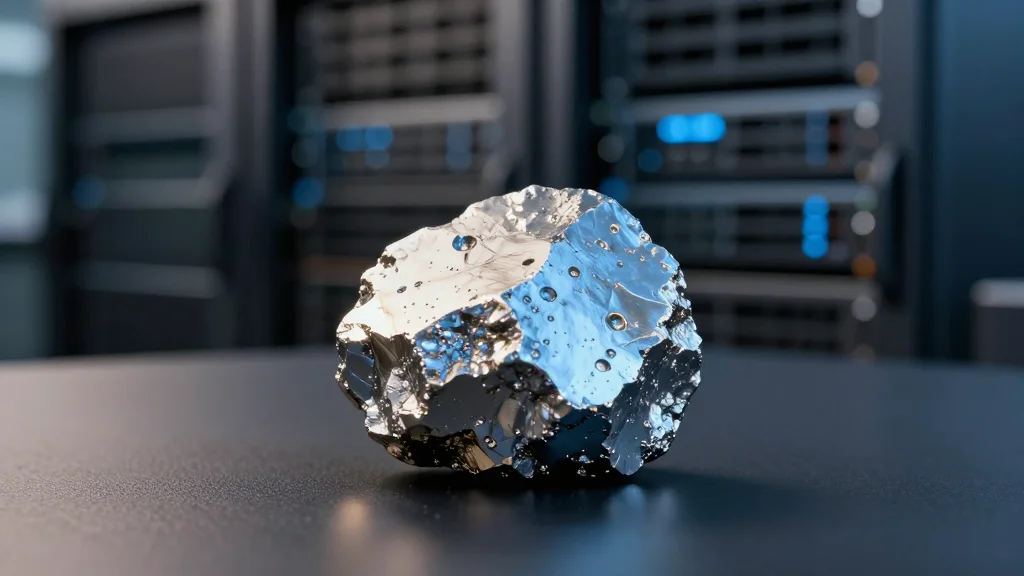
Brazil’s mineral endowment is a strategic asset for the EU’s climate‑neutral agenda. The country boasts the world’s largest niobium reserves, the second‑largest graphite and rare‑earth deposits, and a top‑three position in nickel—materials essential for batteries, electric‑vehicle motors, and wind‑turbine generators. Lula’s call for technology transfer and expanded processing capacity aims to shift value‑addition from raw‑material export to domestic manufacturing, reducing Europe’s reliance on distant suppliers and creating new jobs in Brazil’s industrial regions.
Beyond commodities, the leaders emphasized digital collaboration, citing artificial intelligence and data‑centre development as priority areas. Europe’s push for AI leadership aligns with Brazil’s growing tech ecosystem, offering opportunities for joint research, talent exchange, and cloud‑infrastructure projects. If the upcoming government consultations translate into concrete programmes, the partnership could evolve into a model of trans‑Atlantic cooperation that blends green‑energy supply security with next‑generation digital innovation.
Germany's Merz, Brazil's Lula stress close European-Brazilian cooperation
Comments
Want to join the conversation?
Loading comments...