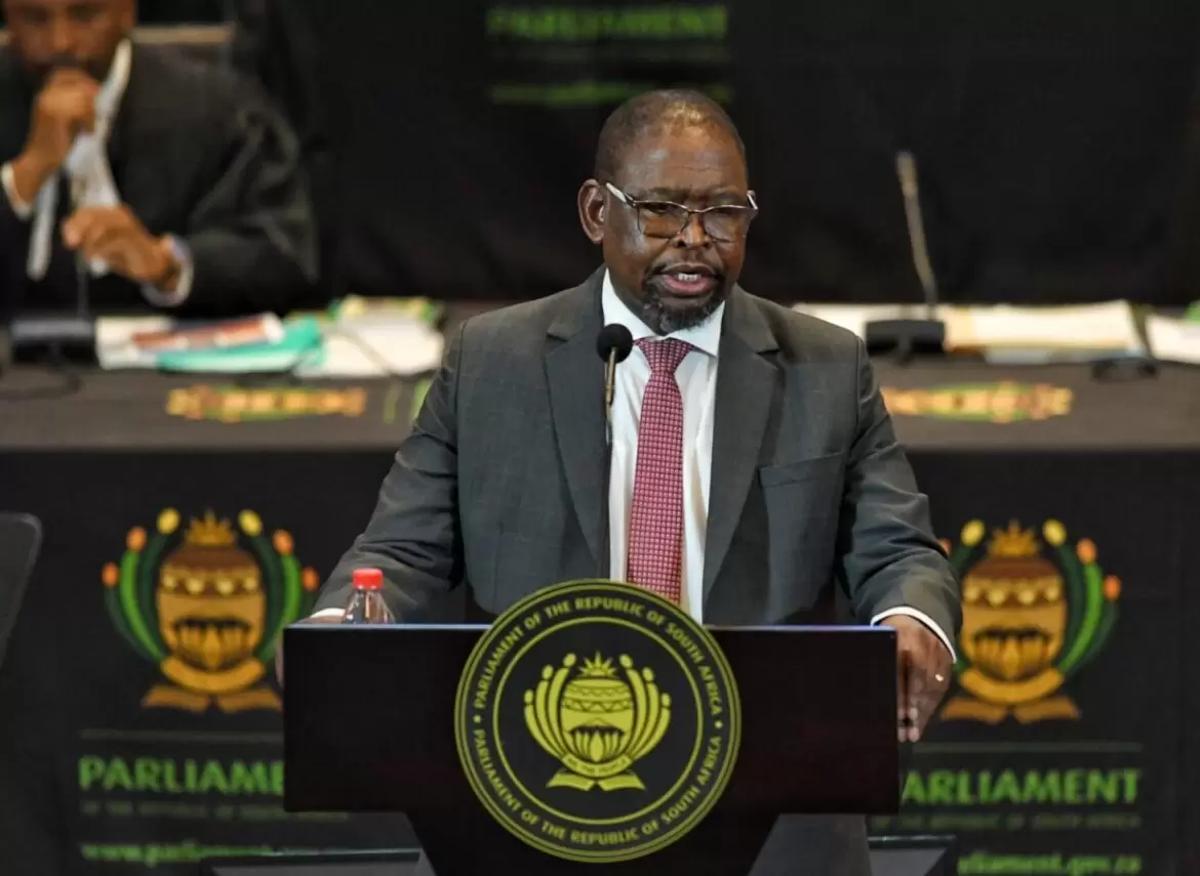
Godongwana Holds Better Budget Cards but Economic Recovery Remains Inadequate
•February 25, 2026
0
Why It Matters
The budget’s ability to spark inclusive growth will determine whether South Africa can reverse entrenched unemployment and fiscal strain, shaping the country’s economic trajectory through 2030.
Key Takeaways
- •Revenue may exceed estimates thanks to commodity boom
- •GDP growth forecast remains below 2%, missing 3.5% target
- •Unemployment stays at 41%, pressing need for job‑rich policies
- •State-owned enterprises face debt, require urgent reforms
- •Business confidence high, but fiscal space limited for investment
Pulse Analysis
South Africa’s 2026 budget arrives at a crossroads where improved revenue collections offer a rare fiscal cushion, yet the macro‑economic outlook remains sobering. Commodity exports have lifted tax receipts above prior forecasts, allowing the Treasury to contemplate modest spending expansions without immediate tax hikes. However, the modest uplift is insufficient to offset a projected GDP growth rate hovering around 1.8%, well below the 3.5% growth ambition set for 2030. This gap underscores the urgency for policy levers that can translate fiscal space into tangible, job‑creating investments.
The core challenge lies in reconciling fiscal prudence with the nation’s acute social distress. Unemployment sits at a staggering 41%, affecting over 12 million workers, while public utilities and state‑owned enterprises grapple with mounting debt and operational inefficiencies. Analysts argue that without decisive reforms—particularly in entities like Eskom, Transnet, and Denel—the budget’s stimulus will falter, perpetuating a cycle of low demand and eroding tax bases. Prioritising infrastructure, renewable energy, and targeted social programs could stimulate demand, but such measures demand clear implementation roadmaps and protection against corruption.
Political dynamics add another layer of complexity. The coalition government’s internal frictions and a constrained civil‑society space limit the scope for bold redistribution, while business sentiment has surprisingly risen, with 83% of CEOs expecting improved growth. This optimism hinges on policy certainty, especially regarding climate‑resilient investments and streamlined regulatory frameworks. Ultimately, the 2026 budget will be judged not by promises but by the speed and effectiveness of execution, marking a pivotal moment for South Africa’s economic renewal.
Godongwana holds better budget cards but economic recovery remains inadequate
0
Comments
Want to join the conversation?
Loading comments...