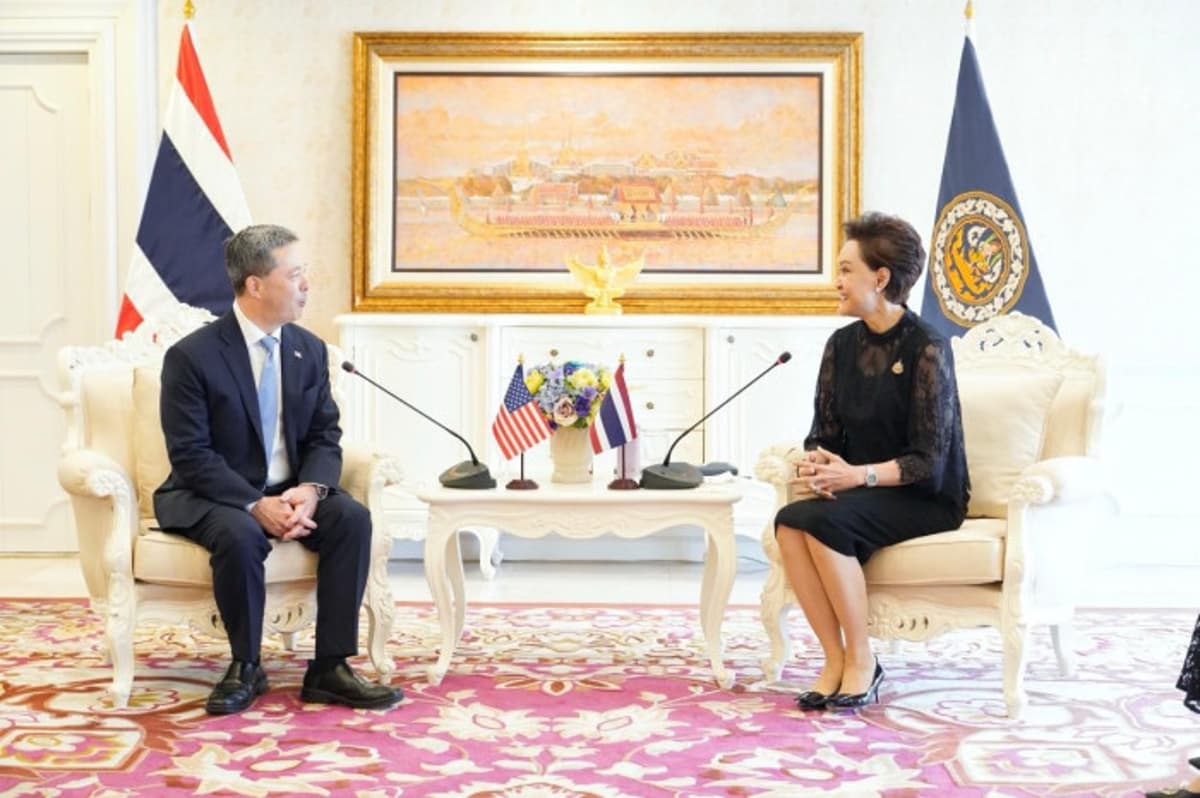
Govt to Rebalance Trade with the US
Why It Matters
The push for an ART and tariff exemptions could lower costs for US consumers, expand Thai market access, and reshape supply‑chain dynamics across Southeast Asia.
Key Takeaways
- •Thailand seeks ART agreement to boost bilateral trade.
- •Bangkok offers US tariff exemptions for non‑domestic Thai products.
- •Thai delegation to attend SelectUSA 2026, targeting US investments.
- •Thailand aims to increase US imports of agriculture, energy.
- •Section 301 concerns addressed; labor standards align with international norms.
Pulse Analysis
The United States has been Thailand’s second‑largest trading partner for more than a decade, with 2025 bilateral commerce exceeding $93.6 billion (about 3 trillion baht). That relationship, rooted in a 190‑year history, has recently been tested by Washington’s Section 301 investigation, which targets perceived unfair trade practices such as excess production capacity and alleged forced‑labour links in Thai exports. By providing clarifications on these issues, Bangkok aims to defuse the probe and preserve the flow of Thai goods—ranging from automotive parts to electronics—into US supply chains that depend on cost‑effective Southeast Asian inputs.
At the heart of the renewed dialogue is the proposed Agreement on Reciprocal Trade (ART), a bilateral framework that would replace ad‑hoc negotiations with a predictable rule‑book. Thailand is also asking the United States to grant tariff exemptions for products it cannot manufacture domestically, notably certain high‑value agricultural commodities. If granted, such exemptions could shave 5‑10 percent off US import costs while giving Thai producers a clearer path to market. The government’s emphasis on aligning labour standards with international norms further signals a willingness to meet US expectations and avoid future disputes.
To cement these initiatives, Deputy Prime Minister Suphajee Suthumpun will lead a delegation to the SelectUSA 2026 Investment Summit in early May. The mission will showcase Thai opportunities in renewable energy, digital infrastructure, and advanced manufacturing, seeking US capital and technology partnerships. Success could rebalance Thailand’s trade ledger by boosting imports of American agricultural and energy products, while expanding Thai investment footprints in the United States—a win‑win that reinforces both economies amid shifting geopolitical currents.
Govt to rebalance trade with the US
Comments
Want to join the conversation?
Loading comments...