Hainan Was China’s Shopping Paradise. For Beijing That’s No Longer Enough.
Companies Mentioned
Why It Matters
The policy overhaul positions Hainan as a catalyst for China’s broader economic opening, offering foreign investors a novel entry point while signaling a move away from reliance on domestic retail demand.
Key Takeaways
- •Hainan duty‑free sales dropped 29.3% in 2024
- •Beijing plans to repurpose Hainan as a processing hub
- •New tax breaks aim to attract overseas capital to the island
- •Hainan will test broader tariff‑free and economic‑opening policies
- •Shift signals China’s pivot from domestic consumption to export‑oriented growth
Pulse Analysis
Hainan’s rise as China’s duty‑free shopping paradise began in 2014 with the opening of the world’s largest duty‑free store in Sanya, spanning 120,000 square metres. For years, generous tax exemptions and a relaxed visa regime drew mainland tourists eager to purchase luxury goods at lower prices. However, the sector’s momentum stalled, culminating in a 29.3% plunge in duty‑free sales last year, as travel restrictions eased and consumer preferences shifted toward online platforms.
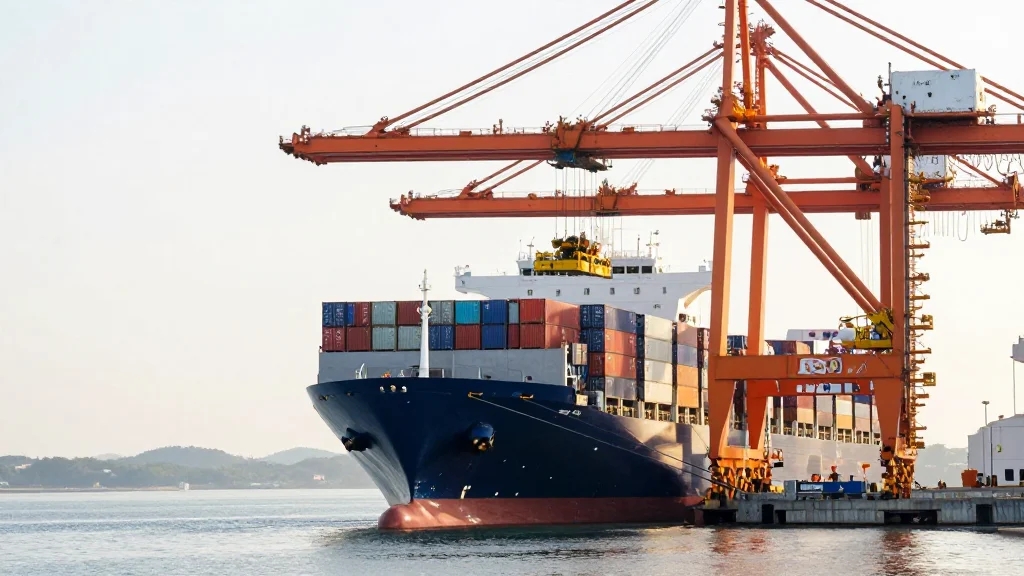
Faced with this downturn, Beijing has repurposed Hainan as a living laboratory for a new wave of economic liberalisation. The central government is rolling out targeted tax breaks, streamlined customs procedures, and tariff‑free zones to encourage the island to process imported commodities rather than merely sell them. By positioning Hainan alongside other free‑trade pilots such as Shanghai’s FTZ, the state hopes to attract overseas capital, foster high‑value logistics, and test policies that could later be scaled to the mainland. The emphasis on processing and export‑oriented activities reflects a strategic pivot toward integrating China more tightly into global supply chains.
For investors, Hainan’s transformation offers both opportunity and uncertainty. The promise of preferential tax rates and relaxed foreign‑ownership rules could make the province an attractive hub for multinational manufacturers and e‑commerce firms seeking a foothold in the Chinese market. Yet the success of this experiment hinges on the speed of regulatory implementation and the ability to generate sufficient demand beyond tourism. If Beijing’s reforms deliver, Hainan could evolve from a seasonal retail magnet into a permanent conduit for cross‑border trade, reshaping China’s growth model and providing a new avenue for foreign participation in the country’s economy.
Hainan was China’s shopping paradise. For Beijing that’s no longer enough.
Comments
Want to join the conversation?
Loading comments...