Higher Energy Prices Due to the Middle East War Would Slow Economic Growth Globally, Particularly in Emerging Markets
Why It Matters
Higher energy and fertilizer prices threaten to widen the growth gap between advanced and emerging economies, raising the risk of debt stress and social instability in the most vulnerable regions.
Key Takeaways
- •Oil spikes to $120/barrel cut global growth by ~0.5% in 2026
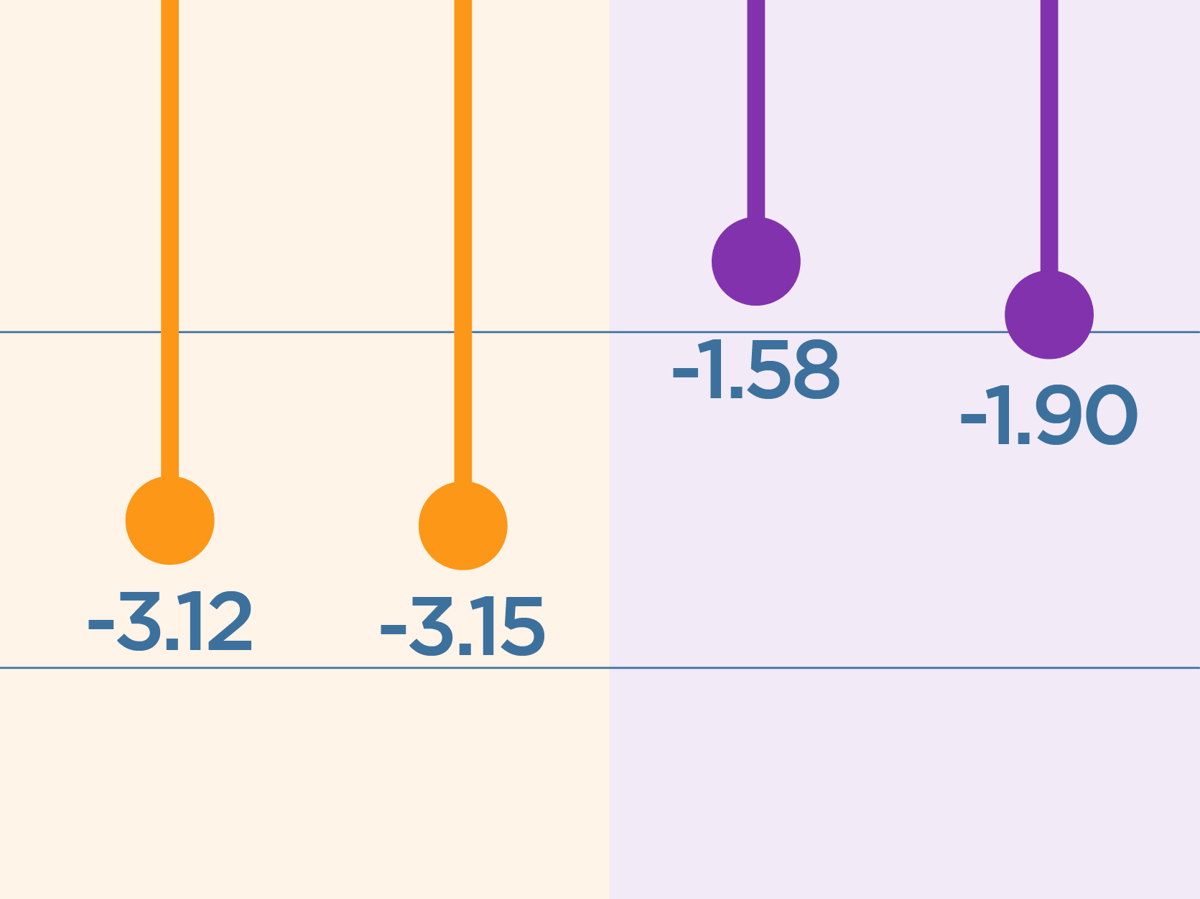
- •Emerging markets lose up to 3% GDP, driven by fertilizer cost hikes
- •MENA region faces 12.4% GDP contraction, the steepest decline
- •US GDP down 1.2%; China down 1.8% despite energy self‑sufficiency
- •Agriculture output falls 3% as fertilizer shortages hit food‑dependent economies
Pulse Analysis
The escalation of hostilities in the Middle East has translated into a sharp, albeit temporary, surge in energy prices that reverberates through every major economy. Oil hovering near $120 per barrel and a doubling of liquefied natural gas costs compress profit margins for transportation and manufacturing firms, while higher refined‑product prices feed into consumer inflation. By anchoring the shock to a one‑year horizon, the PIIE model isolates the war’s direct impact from longer‑term structural trends, offering a clear view of the immediate macroeconomic drag.
Emerging markets bear a disproportionate share of the pain because many rely heavily on imported fertilizer and energy to sustain agricultural production. A 75 percent rise in refined petroleum and a 3 percent dip in crop yields translate into roughly a 3 percent GDP shortfall for countries such as Vietnam, India, and Thailand. The fertilizer squeeze also threatens food security, as lower yields push up staple‑food prices and strain household budgets. In contrast, the United States and China, with larger domestic energy reserves, experience milder GDP contractions, though sectoral slowdowns in transport, agriculture, and durable manufacturing are still evident.
Policymakers face a narrow window to cushion the fallout. Advanced economies can deploy strategic petroleum reserves and accelerate subsidies for high‑energy‑intensive sectors, while emerging economies may need targeted fiscal support for farmers and incentives to diversify energy sources. In the longer run, the episode underscores the strategic value of investing in renewable energy and domestic fertilizer production to reduce exposure to geopolitical supply shocks. Monitoring the war’s trajectory will be crucial, as any extension beyond a year could deepen the recessionary pressures already evident in the latest forecasts.
Higher energy prices due to the Middle East war would slow economic growth globally, particularly in emerging markets
Comments
Want to join the conversation?
Loading comments...