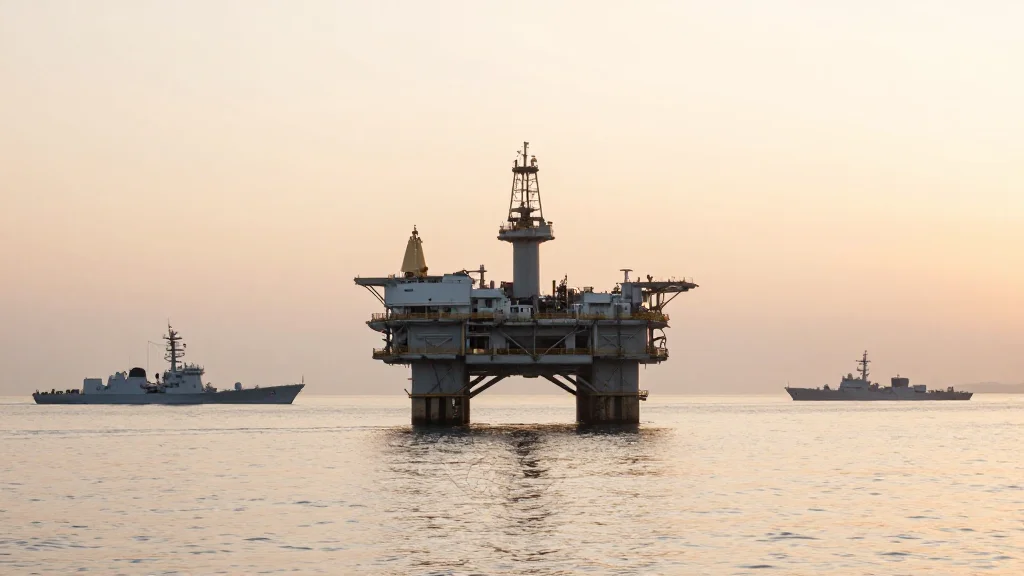
Hormuz Crisis Could Lead to Constructive Dialogue Between ASEAN and China in the South China Sea
Why It Matters
If Manila can convert energy security concerns into diplomatic progress, the South China Sea could move toward a binding Code of Conduct, reducing the risk of naval confrontations and stabilizing a critical trade corridor.
Key Takeaways
- •Philippines eyes joint oil exploration with China amid Hormuz oil shock
- •ASEAN maritime centre to host South China Sea security discussions
- •President Marcos ties CoC progress to tangible UNCLOS commitments
- •US military support bolsters Manila’s leverage in China negotiations
- •China signals willingness to back ASEAN’s Code of Conduct talks
Pulse Analysis
The sudden disruption of oil flows through the Strait of Hormuz has sent shockwaves across Southeast Asia, where the Philippines imports roughly 98% of its fuel from the Gulf. A national emergency declared in Manila has forced President Ferdinand Marcos Jr. to look beyond traditional partners, positioning energy scarcity as a catalyst for diplomatic outreach to Beijing. By framing joint oil and gas exploration as a mutual benefit, the Philippines hopes to secure short‑term fuel relief while leveraging the talks to advance a broader strategic agenda.
At the 48th ASEAN summit in Cebu, member states adopted a Leaders’ Declaration on Maritime Cooperation, establishing a new maritime centre in the Philippines to serve as a repository for South China Sea security issues. This institutional step, coupled with China’s public encouragement for a Code of Conduct, creates a rare window for substantive dialogue. Marcos has made clear that any agreement must be anchored in the United Nations Convention on the Law of the Sea (UNCLOS) and culminate in a binding CoC, signaling a shift from ad‑hoc protests to structured negotiation.
The United States, which has expanded its military footprint in the archipelago, stands ready to back Manila’s diplomatic push, offering both security guarantees and political weight. If the Philippines can translate joint exploration incentives into concrete UNCLOS commitments, the region could see a de‑escalation of naval posturing and a more predictable trade environment. Success would not only safeguard the $3‑trillion‑plus flow of goods through the South China Sea but also set a precedent for using economic interdependence to resolve territorial disputes.
Hormuz crisis could lead to constructive dialogue between ASEAN and China in the South China Sea
Comments
Want to join the conversation?
Loading comments...