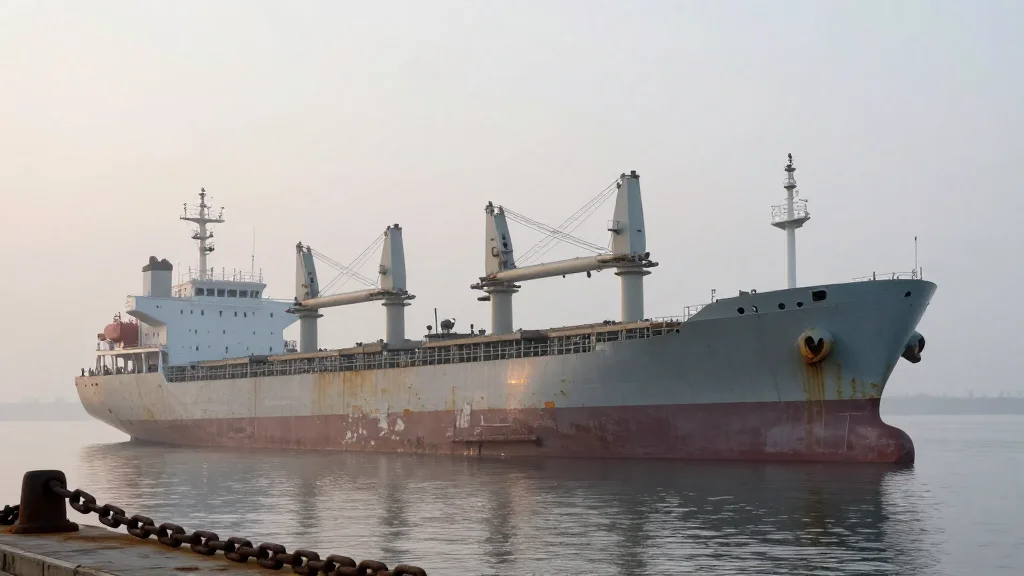
Hormuz Is (Apparently) Unblocked. Energy Markets Remain a Mess
Why It Matters
Re‑opening Hormuz could ease supply constraints, but persistent geopolitical risks mean energy prices will likely remain volatile, influencing global trade and inflation.
Key Takeaways
- •Hormuz declared fully open by Iran and U.S. officials
- •Brent futures dropped over 10% to $89 per barrel
- •Dutch gas price fell below €40 ($47) per MWh
- •Security concerns keep oil and LNG markets tight
Pulse Analysis
The Strait of Hormuz, a narrow waterway linking the Persian Gulf to the open ocean, handles roughly 15‑20% of global oil shipments and a comparable share of liquefied natural gas. Its strategic importance has made it a flashpoint for decades, with past closures or threats prompting sharp price spikes. The recent declaration of unrestricted commercial passage, reinforced by the U.S. president’s endorsement, signals a potential easing of one of the world’s most persistent supply bottlenecks, but the statement does not erase the legacy of past disruptions.
Traders reacted swiftly. Brent crude futures slumped more than 10%, settling at $89 a barrel, while European gas prices at the Dutch Title Transfer Facility slipped below €40 ($47) per megawatt‑hour. These moves reflect both relief at the prospect of additional supply and caution that the market may still be pricing in residual risk. Downstream refiners and utilities are adjusting hedging strategies, anticipating that the price correction could be temporary if security incidents recur. The price dip also eases cost pressures for industries reliant on energy inputs, potentially tempering inflationary trends in energy‑intensive economies.
Nevertheless, analysts warn that the market’s calm may be short‑lived. Unexploded mines, lingering mistrust among regional actors, and the occasional disappearance of tankers continue to pose threats to safe navigation. Any incident could instantly reverse the price gains, reigniting volatility. Policymakers in major consuming nations are likely to monitor the situation closely, balancing diplomatic engagement with contingency planning for supply disruptions. In the meantime, the Hormuz reopening offers a tentative reprieve, but the underlying geopolitical fragility ensures that energy markets will remain a watch‑list item for months ahead.
Hormuz is (apparently) unblocked. Energy markets remain a mess
Comments
Want to join the conversation?
Loading comments...