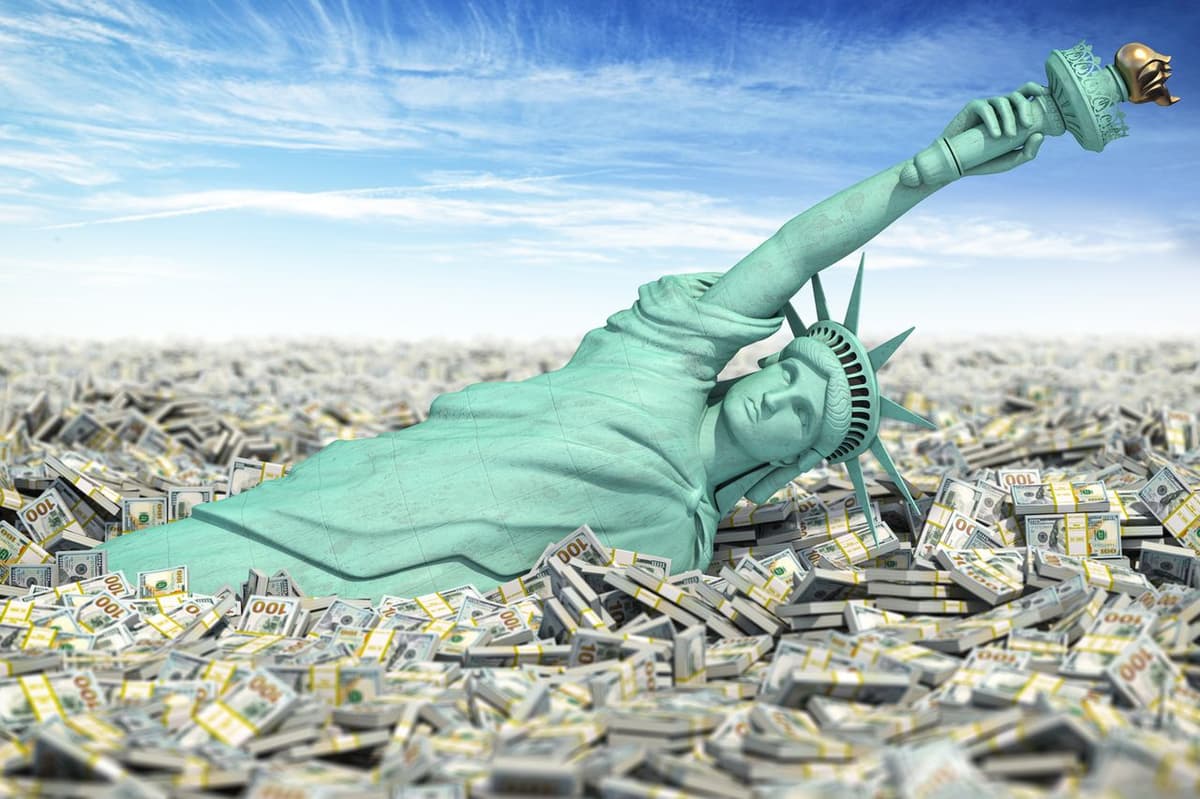
How the Iran War Could Speed the Decline of the US Dollar
Companies Mentioned
Why It Matters
A weakening dollar reshapes borrowing costs, trade pricing, and the effectiveness of U.S. sanctions, influencing both corporate strategy and macro‑policy worldwide.
Key Takeaways
- •Dollar holds 56% of global FX reserves, down from 71% in 1999
- •Euro now 20% of reserves; no viable alternative emerges
- •China pushes yuan trade settlements, but shares under 4% globally
- •Trump-era tariffs caused 8% dollar drop, yet currency stays near 15‑year high
- •Central banks diversify into gold and CAD/AUD to hedge US sanctions
Pulse Analysis
The U.S. dollar’s preeminence rests on a unique mix of economic size, market liquidity, and entrenched network effects. With the United States accounting for roughly a quarter of global GDP and its Treasury market offering unmatched depth, investors and central banks default to the dollar for safety and convenience. This structural advantage creates a self‑reinforcing loop: widespread dollar usage makes alternatives more costly, cementing its role as the world’s de‑facto reserve currency.
Recent geopolitical turbulence, however, is nudging policymakers toward diversification. The Iran‑U.S. conflict has amplified concerns about the "weaponisation" of the dollar, prompting countries like China to expand yuan‑denominated trade and to develop parallel payment systems such as CIPS. Simultaneously, central banks are boosting gold purchases—exceeding 1,000 tonnes annually—and allocating modest portions of reserves to the Canadian and Australian dollars, seeking assets that are less exposed to U.S. sanctions. Trump‑era tariff threats also triggered an 8% slide in the dollar early in 2025, illustrating how political uncertainty can quickly affect currency sentiment.
Despite these shifts, the dollar’s dominance is unlikely to vanish imminently. The euro, while holding a solid 20% of reserves, suffers from fragmented bond markets, and the yuan remains a marginal 2% of global holdings due to capital controls and limited convertibility. Until a rival can match the United States’ market depth and rule‑of‑law framework, the dollar will retain its crown, though investors should monitor gradual de‑dollarisation trends that could reshape pricing, financing, and geopolitical leverage over the coming decade.
How the Iran war could speed the decline of the US dollar
Comments
Want to join the conversation?
Loading comments...