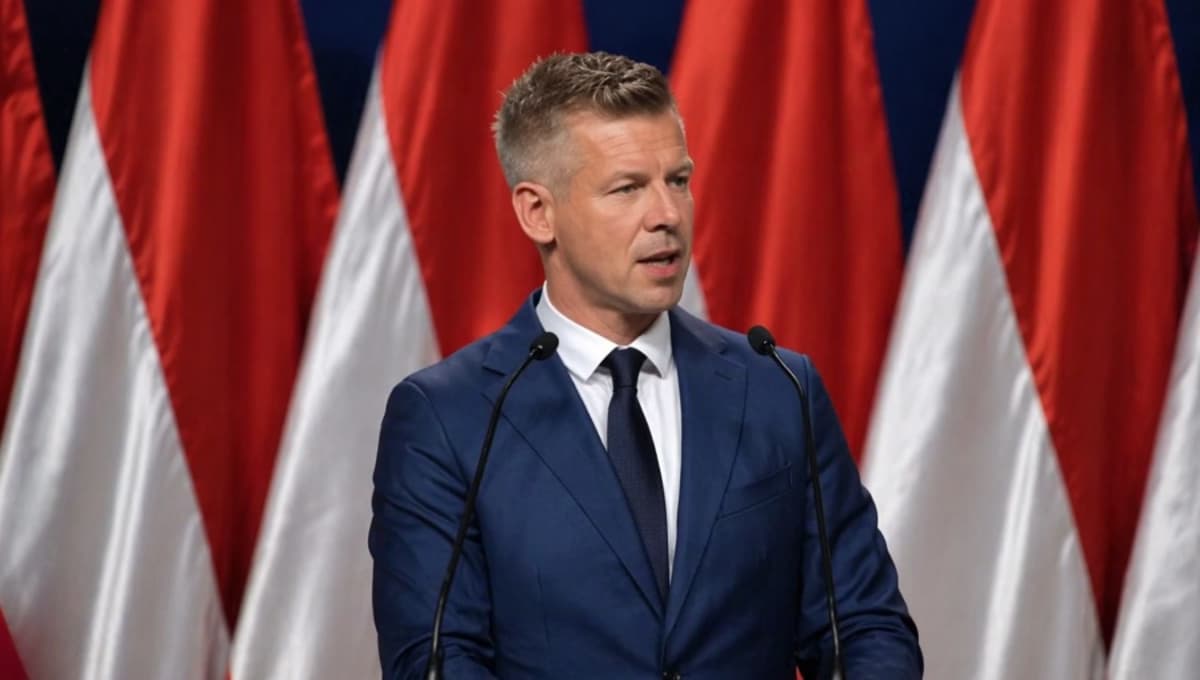
Hungary's Magyar to Reengage with EU but No Blank Cheques
Why It Matters
Unlocking the Ukraine aid removes a strategic bottleneck for the EU, while Hungary’s demand for €35 bn in frozen funds ties EU cohesion to rule‑of‑law reforms. The outcome will shape both the bloc’s ability to fund Kyiv and its internal governance dynamics.
Key Takeaways
- •Magyar's win clears EU veto, unlocking €90 bn ($97 bn) Ukraine aid.
- •Hungary seeks release of €35 bn ($38 bn) frozen EU funds for reforms.
- •Budapest refuses weapons or money for Kyiv, staying at arm's length.
- •EU pushes qualified‑majority voting in foreign policy, but member states resist.
- •Magyar will cap prime‑minister terms, rejoin ICC, and keep strict immigration.
Pulse Analysis
The election of Peter Magyar ends a decade of Hungarian obstruction that repeatedly stalled the European Union’s €90 bn ($97 bn) Ukraine assistance package. By pledging not to block the loan, Magyar removes the procedural bottleneck that forced Brussels to negotiate around a single veto. While Budapest will not contribute weapons or cash directly, the mere removal of the veto clears the way for faster disbursement of funds and for the next round of sanctions against Russia. Analysts see this as a pragmatic shift rather than a full strategic realignment, giving Kyiv a more predictable flow of EU support.
Magyar’s government is simultaneously bargaining for the release of roughly €35 bn ($38 bn) in frozen EU money, including €17 bn ($18 bn) tied to judicial‑reform disputes. The EU has listed 27 conditional reforms—anti‑corruption, migration, LGBT rights, and compliance with EU court rulings—as prerequisites for unlocking the cash. In parallel, Commission President Ursula von der Leyen is urging a move to qualified‑majority voting in foreign policy to prevent future deadlocks. Although the proposal promises greater agility, it faces resistance from smaller member states wary of ceding veto power, making any constitutional change a delicate political exercise.
For Ukraine, the news is a cautious win: the EU can now approve the loan, but Hungary’s refusal to send arms or direct aid means Kyiv must still navigate a patchwork of national contributions. Magyar’s broader agenda—re‑joining the International Criminal Court, imposing an eight‑year term limit on the prime minister, and maintaining a hardline immigration stance—signals a nationalist yet institutionally engaged Hungary. The combination of conditional cooperation and domestic reforms could reshape Budapest’s relationship with Brussels, offering the EU a chance to enforce rule‑of‑law standards while preserving a critical ally in Central Europe.
Hungary's Magyar to reengage with EU but no blank cheques
Comments
Want to join the conversation?
Loading comments...