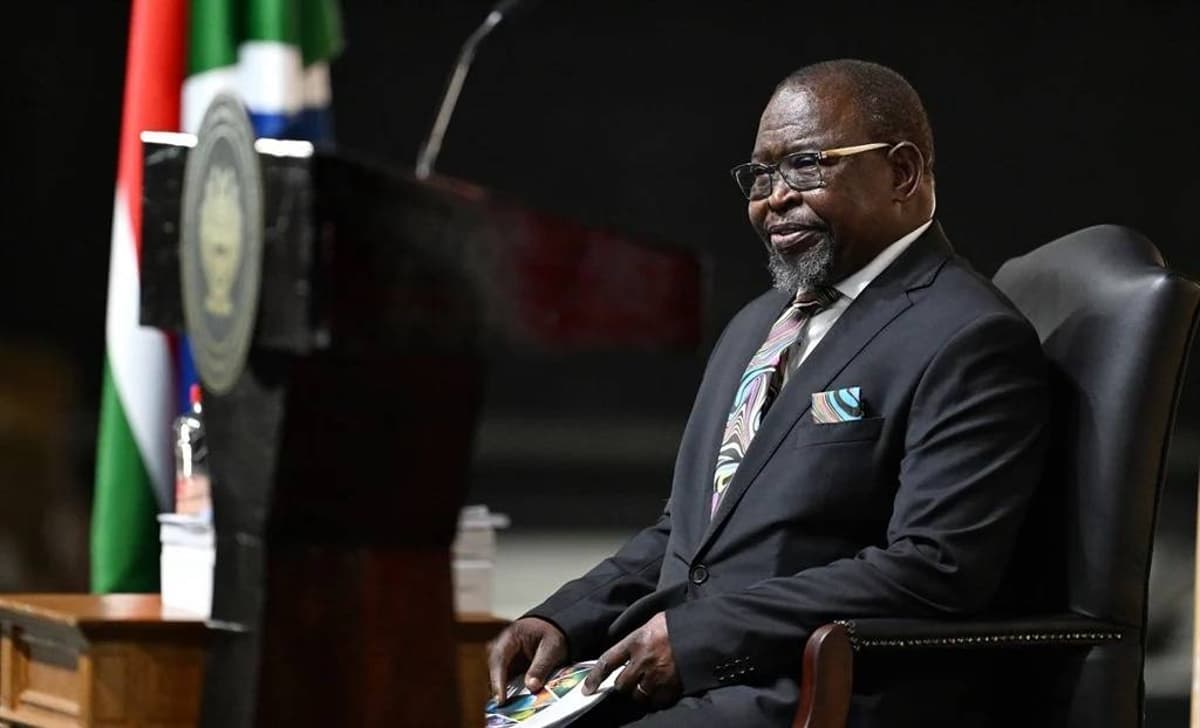
IMF Expects Godongwana to Maintain Budget Surplus Target of 1.5% of GDP
•February 24, 2026
0
Why It Matters
A sustained primary surplus will lower debt‑to‑GDP ratios, preserving fiscal space and investor confidence. The prescribed reforms are pivotal for boosting productivity and unlocking inclusive growth in South Africa.
Key Takeaways
- •IMF urges 1.5% primary surplus target maintenance.
- •Public wage bill control highlighted as reform priority.
- •Procurement efficiency and SOE oversight to boost savings.
- •Growth forecast lifted to 1.4% this year.
- •Risks from global protectionism could derail progress.
Pulse Analysis
The International Monetary Fund’s latest Article IV review places fiscal discipline at the heart of South Africa’s economic roadmap. By insisting on a 1.5% primary surplus, the IMF signals that debt sustainability remains a top priority, especially as the country aims to bring its debt‑to‑GDP ratio down to around 70% over the medium term. A credible surplus target not only reassures bond markets but also creates fiscal buffers that can absorb external shocks, such as volatile commodity prices or sudden capital outflows.
Beyond the headline surplus, the Fund’s reform agenda targets the structural bottlenecks that have long hampered growth. Tightening the public‑sector wage bill, streamlining procurement processes, and enforcing stricter governance of state‑owned enterprises are designed to trim wasteful spending and free resources for productive investment. Operation Vulindlela’s progress in electricity, logistics and water sectors illustrates how private‑sector participation can raise efficiency, while labour‑market reforms and reduced regulatory barriers are expected to improve job creation and competitiveness.
Macroeconomic projections have been nudged upward, with the IMF now forecasting 1.4% growth this year and a gradual rise to 1.8% in the medium run. This optimism rests on a resilient domestic consumption base, a flexible exchange rate and a credible monetary framework. Nevertheless, the Fund cautions that heightened global protectionism and tighter financial conditions pose downside risks. For investors and policymakers, the message is clear: delivering the 2026 budget’s reform package is essential to sustain momentum, protect fiscal health, and translate structural changes into higher, more inclusive growth.
IMF expects Godongwana to maintain budget surplus target of 1.5% of GDP
0
Comments
Want to join the conversation?
Loading comments...