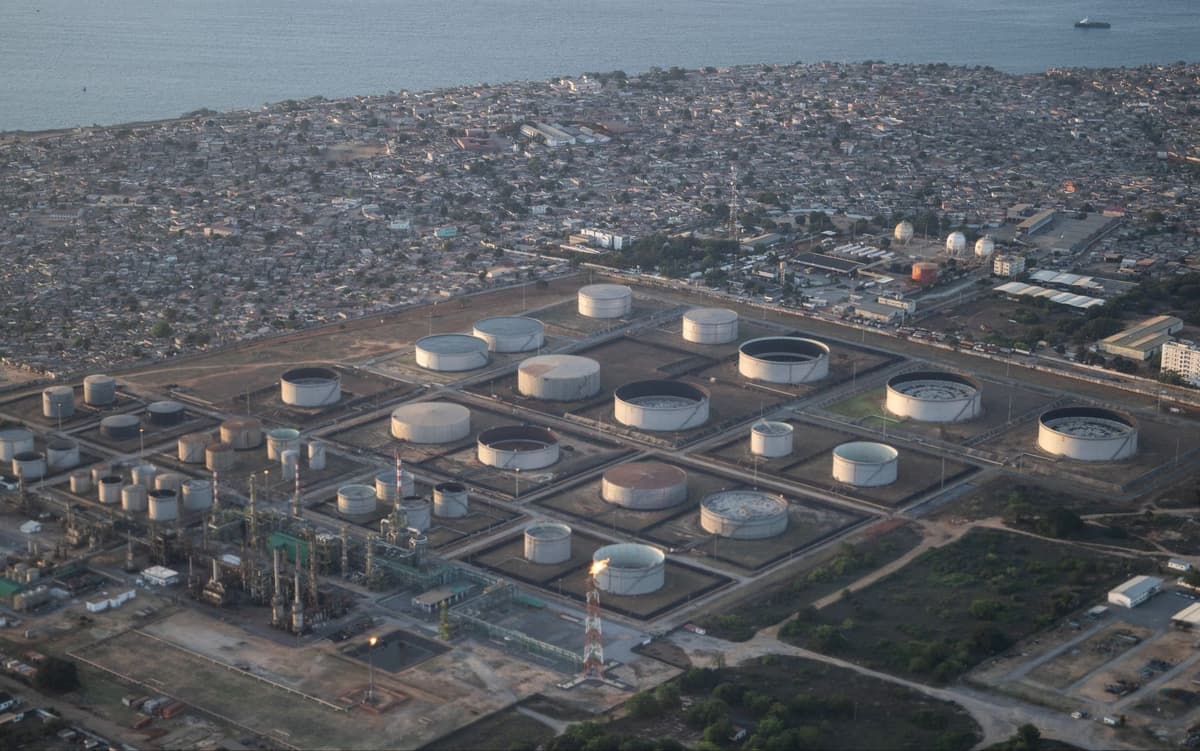
IMF Warns Angola It Could Reach Debt Ceiling
Companies Mentioned

Why It Matters
Angola’s looming debt ceiling threatens fiscal stability and could deter investors, while the IMF’s guidance highlights the need for swift reforms to safeguard the country’s economic outlook and regional debt health.
Key Takeaways
- •Angola's public debt projected to hit legal ceiling within years.
- •IMF urges using oil-price windfall to cut debt and build buffers.
- •Faster revenue mobilization and fuel‑subsidy reform needed for sustainability.
- •Angola is Africa's top recipient of Chinese loans, heightening risk.
- •Regional debt crises in Malawi, Mozambique, Senegal could trigger defaults.
Pulse Analysis
Angola sits at a crossroads where soaring oil prices could either be a lifeline or a fleeting reprieve. The IMF’s latest assessment underscores that, despite crude trading above $100 per barrel, the country’s debt trajectory remains unsustainable without decisive action. Angola’s reliance on oil revenues, combined with a heavy load of Chinese‑financed infrastructure projects, has pushed public debt toward the statutory ceiling, raising concerns among sovereign‑risk analysts and multilateral lenders.
The fund’s recommendation to allocate the oil‑price windfall toward debt amortization and buffer creation reflects a broader push for fiscal prudence. By expediting revenue‑mobilization mechanisms—such as improving tax collection—and overhauling fuel‑subsidy schemes, Angola can lower its debt‑to‑GDP ratio and restore confidence among investors. Comparatively, Nigeria’s projected $3.6 billion windfall illustrates how oil‑rich nations can leverage price spikes, but only if structural reforms accompany the influx. For Angola, the window is narrow; delayed reforms risk eroding the temporary offset that high oil prices provide.
Beyond Angola, the IMF’s warning signals a systemic vulnerability across sub‑Saharan Africa. Countries like Malawi, Mozambique, and Senegal face imminent default risks, amplifying the continent’s debt‑crisis narrative. Stakeholders—from private‑sector financiers to development agencies—must monitor oil‑price volatility and its impact on debt dynamics. Diversifying revenue bases, tightening fiscal discipline, and reducing dependence on external borrowing are essential strategies to mitigate contagion and ensure long‑term economic resilience across the region.
IMF warns Angola it could reach debt ceiling
Comments
Want to join the conversation?
Loading comments...