IMF Warns of Trade Tension Risk to Global Growth
•January 19, 2026
0
Companies Mentioned

Why It Matters
These projections signal modest upside for global growth while underscoring that policy uncertainty and over‑hyped AI expectations could derail momentum, affecting investors and policymakers worldwide.
Key Takeaways
- •IMF lifts global growth forecast to 3.3% for 2026.
- •AI boom slowdown and trade tensions flagged as downside risks.
- •Central‑bank independence deemed essential for macro stability.
- •UK growth forecast modestly raised to 1.4% in 2025.
- •Inflation expected to dip below 4% globally by 2026.
Pulse Analysis
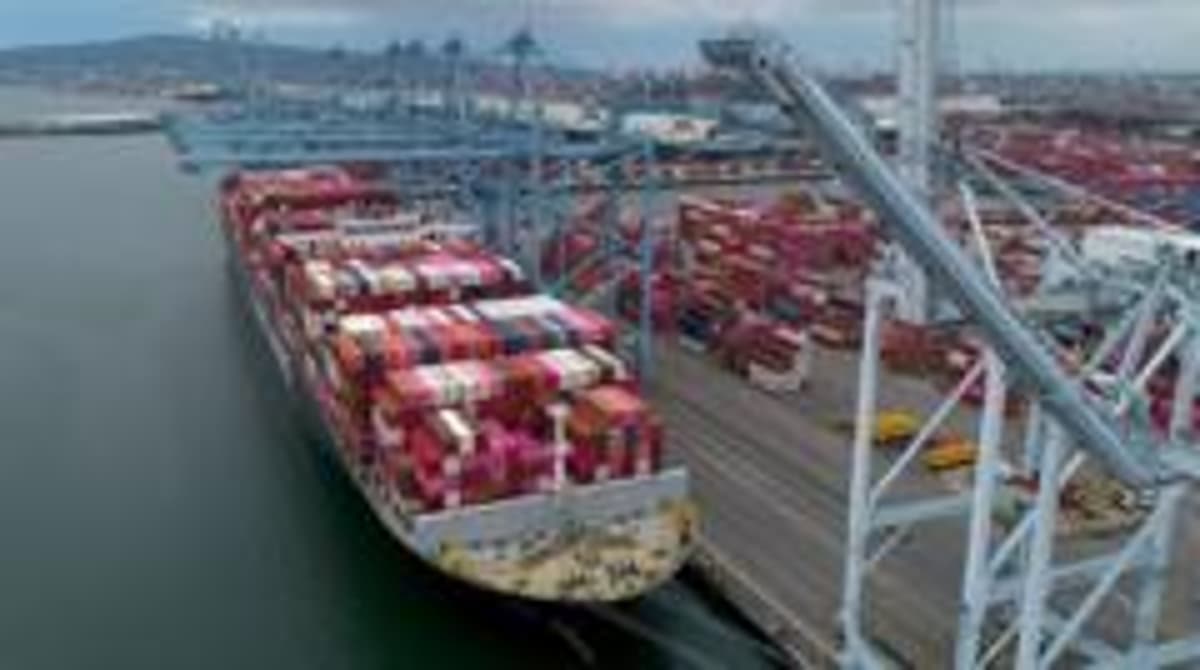
The IMF’s World Economic Outlook released in January 2026 nudged its global growth estimate to 3.3 percent for the year, reflecting stronger-than‑expected investment in technology and a rebound from the trade disruptions of 2025. Yet the Fund cautions that the optimism rests on two fragile pillars: a resurgence of protectionist measures and a possible correction in the artificial‑intelligence boom that has fueled corporate borrowing. Analysts note that even a modest escalation in tariffs or a sudden AI market pullback could tighten supply chains and dampen consumer confidence, creating a ripple effect across emerging and advanced economies.
At the same time, the IMF placed central‑bank independence at the top of its stability checklist, warning that political interference can quickly erode inflation anchors and fiscal discipline. The recent criminal probe into Federal Reserve Chair Jerome Powell illustrates how high‑profile scrutiny can spark broader concerns about fiscal dominance, especially in jurisdictions where governments are tempted to pressure monetary authorities for cheaper financing. By emphasizing legal and operational autonomy, the Fund signals that preserving the credibility of institutions like the Fed, the ECB, and the BoE remains a non‑negotiable safeguard for sustainable growth.
The United Kingdom’s outlook received a modest upgrade, with the IMF now estimating 1.4 percent growth in 2025 and a steady 1.3 percent this year, positioning it as the fastest‑growing G7 economy in Europe. Inflation is projected to fall below the 2 percent target by year‑end, driven by easing energy prices and a softening labor market. Investors should monitor how these revised expectations interact with domestic fiscal policy and the broader global risk environment, as any resurgence in trade disputes or AI‑related debt stress could quickly alter the growth trajectory.
IMF warns of trade tension risk to global growth
0
Comments
Want to join the conversation?
Loading comments...