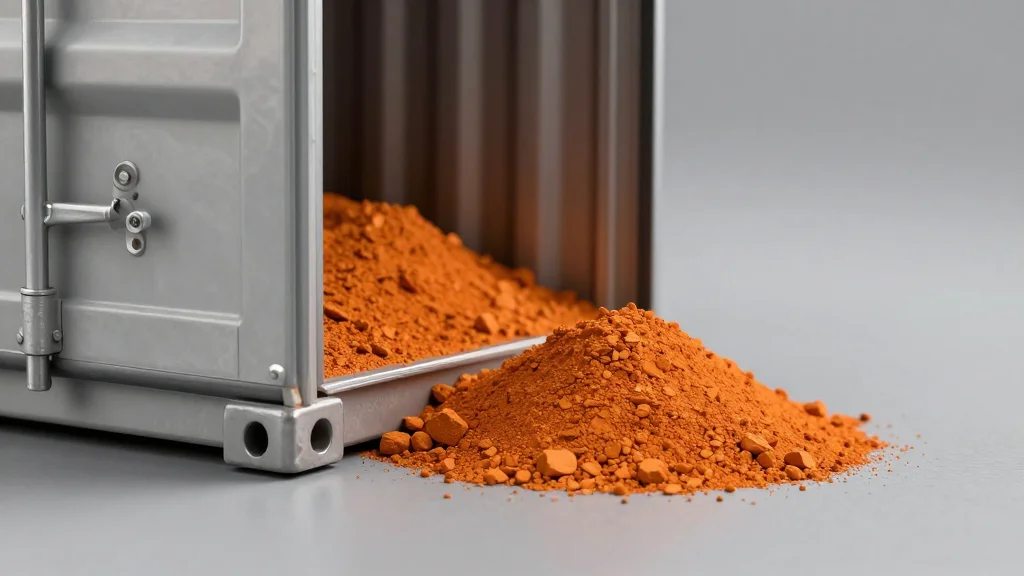
Importers Fret over China's New Critical Mineral Framework
Why It Matters
The framework could reshape global supply dynamics, forcing downstream industries to absorb higher costs or seek alternative sources, thereby altering competitive balances in high‑tech sectors.
Key Takeaways
- •China controls 90% of global critical mineral processing.
- •New regulations tie mineral exports to national security goals.
- •Indian importers may build strategic reserves to hedge supply risk.
- •Policy could increase price volatility for automotive and electronics sectors.
- •Dependence on China likely persists due to limited alternative capacity.
Pulse Analysis
China’s latest critical‑mineral framework is framed as a move toward greater transparency and environmental stewardship, yet it embeds supply‑chain control into the country’s broader geopolitical strategy. By codifying export restrictions and linking them to national‑security considerations, Beijing can prioritize domestic needs while leveraging its near‑monopoly in processing rare earths, lithium and other strategic inputs. For foreign buyers, the policy signals a shift from a relatively open market to a more managed, potentially protectionist regime, prompting firms to reassess risk models.
For Indian manufacturers, the immediate concern is the heightened uncertainty around input availability for sectors such as electric‑vehicle batteries, smartphones and advanced electronics. Analysts predict that firms will increase on‑hand inventories, a tactic that can blunt short‑term shocks but also ties up capital and may inflate balance‑sheet exposure. Moreover, tighter Chinese controls could amplify price swings, squeezing margins for downstream players already grappling with cost pressures from raw‑material scarcity and sustainability mandates. Companies may also explore contractual clauses that shift some of the geopolitical risk back to suppliers.
The broader market implication is a renewed push for supply‑chain diversification. While alternative processing hubs in Southeast Asia, Europe and the United States are still nascent, policy‑driven investment in domestic refining capacity could accelerate. Governments, including India’s, might incentivise joint ventures or fast‑track approvals for critical‑mineral projects to reduce reliance on China. In the meantime, multinational corporations will likely balance short‑term inventory strategies with longer‑term strategic sourcing to safeguard competitiveness in a landscape where geopolitical considerations are increasingly intertwined with commodity flows.
Importers fret over China's new critical mineral framework
Comments
Want to join the conversation?
Loading comments...