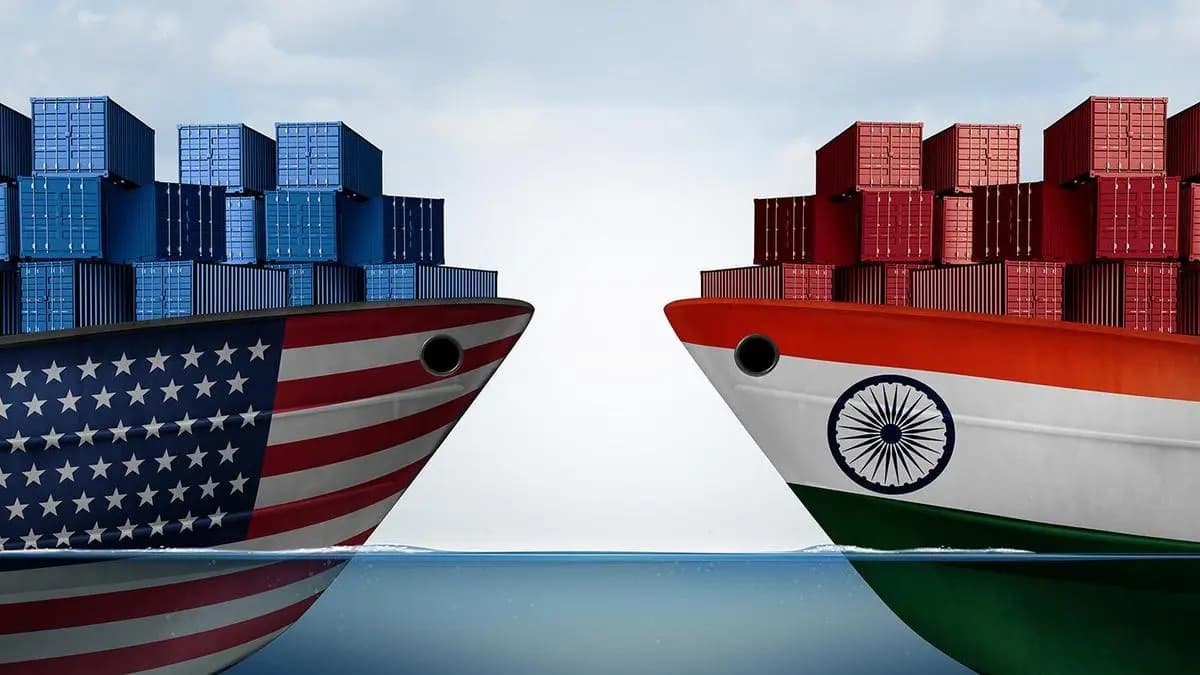
India May Go Slow on Trade Deal Till US Mid-Term Polls
Why It Matters
The timing underscores how domestic politics can shape international trade deals, potentially altering market access for Indian exporters and U.S. importers. A shift in congressional power could either tighten or loosen tariff constraints, affecting bilateral trade flows.
Key Takeaways
- •India will pause tariff talks until US mid‑term results
- •Supreme Court struck down reciprocal tariffs on Feb 20, 2026
- •Interim framework set US tariffs at 18% vs 25% previously
- •New Delhi seeks preferential market access over competitors
- •Section 301 investigations remain a fallback for US pressure
Pulse Analysis
The United States and India have been navigating a tentative trade partnership since the February 2, 2026 interim framework, which promised to cut U.S. tariffs on Indian goods from 25% to 18% and push New Delhi to lower its own duties. However, the Supreme Court’s February 20 decision invalidated the legal foundation for those reciprocal tariffs, turning the previously agreed floor into a temporary placeholder. As a result, both sides have shifted focus to non‑tariff barriers, digital trade rules, and technical standards while the tariff question remains unresolved.
Washington’s political calendar now looms large over the negotiations. All 435 House seats and a third of the Senate will be contested in the November 2026 mid‑terms, a contest that could dramatically reshape congressional dynamics. If Democrats capture the House, the Trump administration’s ability to push through sweeping tariff reforms could be curtailed, giving India leverage to demand deeper concessions. Conversely, a Republican‑friendly Congress would likely sustain the administration’s hard‑line stance, pressuring New Delhi to accept less favorable terms. This political uncertainty is prompting Indian officials to adopt a wait‑and‑see approach, seeking to lock in preferential market access only after the U.S. legislative outlook clarifies.
For businesses on both sides of the Pacific, the stalemate translates into short‑term volatility and a longer horizon of strategic planning. Companies dependent on lower duties must prepare for possible tariff reinstatements, while those focused on services and digital trade can capitalize on the current emphasis on non‑tariff issues. The U.S. has also signaled a willingness to employ Section 301 investigations as a back‑stop, adding another layer of pressure on Indian exporters. Ultimately, the outcome of the mid‑terms will set the tone for the next phase of the India‑U.S. trade relationship, influencing supply‑chain decisions, pricing strategies, and investment flows for years to come.
India may go slow on trade deal till US mid-term polls
Comments
Want to join the conversation?
Loading comments...