India Moves to Buffer Economy Against Iran War Fallout
Why It Matters
The actions signal a proactive stance to protect India’s balance of payments and curb inflationary pressure, crucial for maintaining investor confidence during regional instability.
Key Takeaways
- •Gasoline and diesel prices rose >3% after four-year freeze
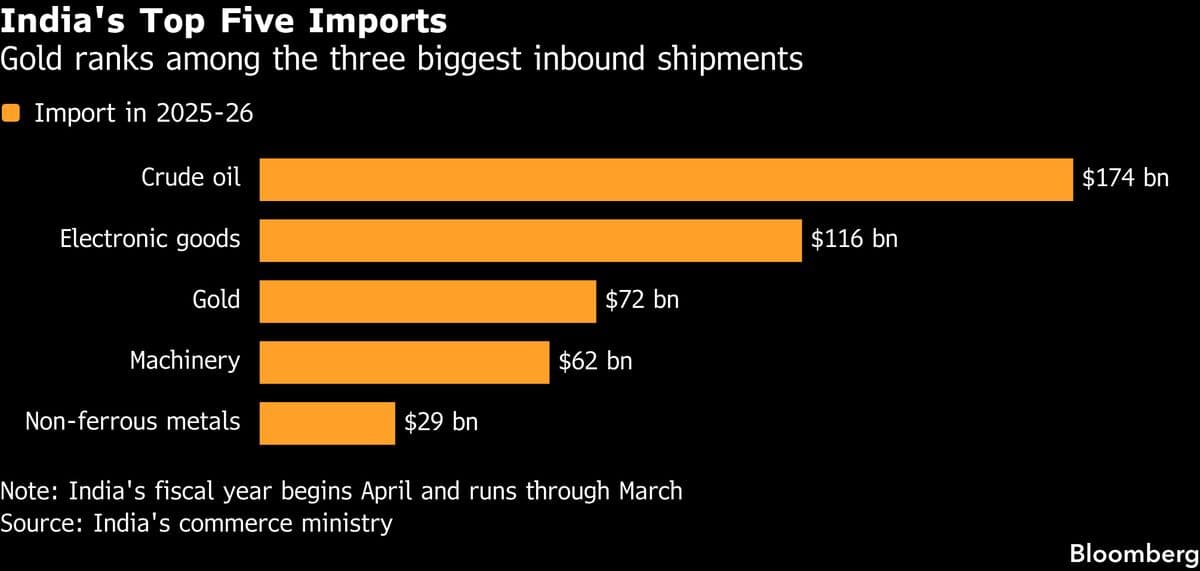
- •Gold import rules tightened to limit capital outflows
- •Delhi civil servants required to work from home twice weekly
- •Higher fuel costs may pressure inflation and consumer spending
Pulse Analysis
The Iran‑Israel war has reignited concerns over global oil supply chains, pushing crude prices to multi‑year highs. As the world’s third‑largest oil consumer, India feels the ripple effects acutely, especially in a fiscal year already strained by a widening current‑account deficit. By allowing state‑run refiners to adjust pump prices, the government acknowledges that shielding domestic markets from volatile wholesale costs is no longer feasible. This move also aligns with broader fiscal prudence, as higher retail fuel prices can help curb excessive demand and preserve foreign‑exchange buffers.
Beyond fuel, the administration’s tightening of gold‑import regulations targets a traditional conduit for capital flight. Gold purchases have historically surged during geopolitical tension, draining rupee reserves. By imposing stricter documentation and limiting import volumes, policymakers aim to stem this outflow and stabilize the rupee. Simultaneously, the work‑from‑home directive for Delhi’s civil servants reduces commuter fuel consumption, a modest but symbolic step toward curbing domestic energy demand. Together, these policies form a layered buffer designed to protect the balance of payments while signaling to markets that India is actively managing external shocks.
Looking ahead, the combined impact of higher fuel costs and tighter gold controls could temper inflationary pressures but may also weigh on consumer sentiment, especially among lower‑income households. Investors will watch how these measures affect India’s fiscal trajectory and whether they translate into sustained confidence in the rupee and bond markets. If the geopolitical backdrop stabilizes, the temporary price hikes could be rolled back, offering a glimpse of how adaptable India’s macroeconomic toolkit has become in an increasingly volatile global environment.
India Moves to Buffer Economy Against Iran War Fallout
Comments
Want to join the conversation?
Loading comments...