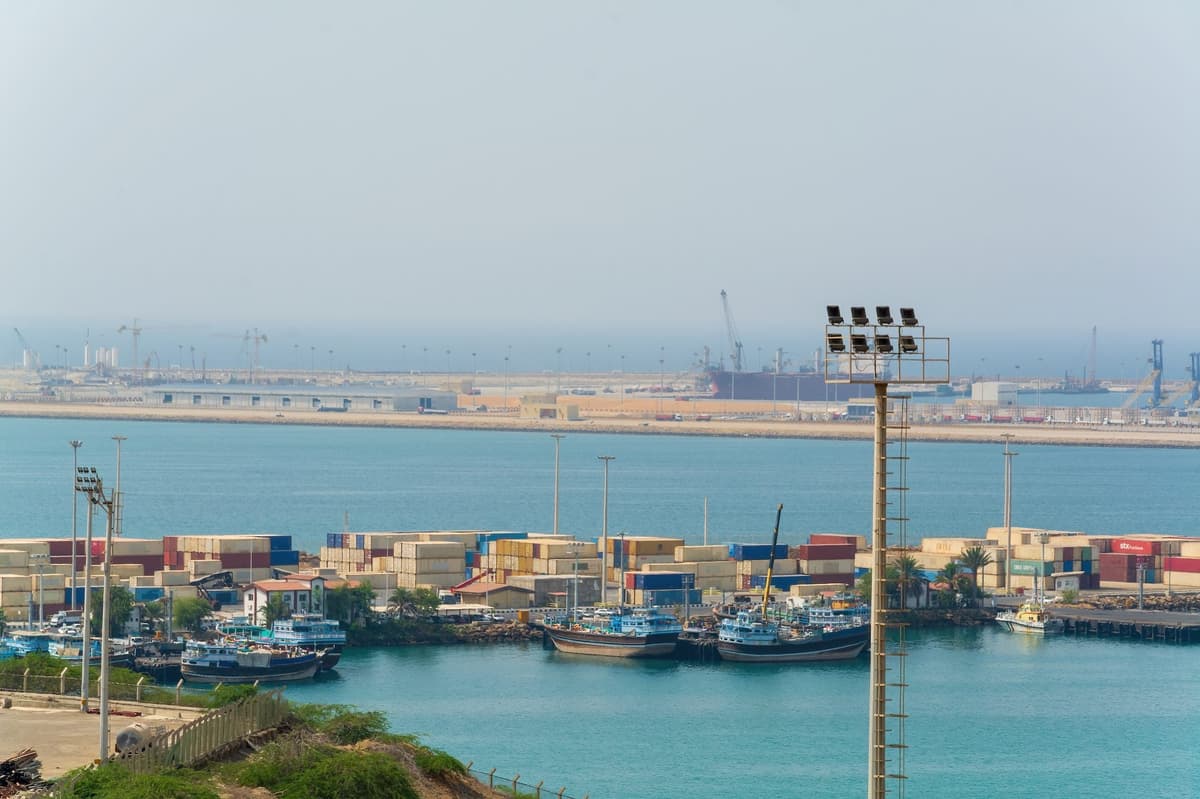
India Mulls Options On Iran Port Stake Before Sanctions Kick In
Why It Matters
The decision will determine India’s ability to maintain a strategic gateway to Central Asia and safeguard energy routes, while navigating escalating U.S.-Iran friction that could reshape regional trade dynamics.
Key Takeaways
- •India may temporarily transfer Chabahar stake to Iranian firm
- •$120 million investment faces US sanctions waiver expiration April 26
- •Port remains vital for North‑South Transport Corridor connectivity
- •India seeks rail link expansion, not full divestment
- •Decision balances US pressure with long‑standing Iran partnership
Pulse Analysis
Chabahar port has become a linchpin of India’s effort to create a trade corridor that sidesteps Pakistan and reaches Afghanistan and Central Asia. Since a 2014 agreement, India invested $120 million to develop the harbor, leveraging a U.S. sanctions waiver that allowed Indian vessels to operate despite Tehran’s isolation. The waiver’s imminent expiry forces New Delhi to reassess its exposure, prompting talks with Washington to secure an extension or a structured exit, and parallel negotiations with Tehran to preserve operational continuity.
Beyond the immediate financial stakes, Chabahar underpins the 7,200‑kilometer North‑South Transport Corridor, a multimodal network linking Russia, Central Asian republics, and the Indian Ocean. A rail link from the port to Iran’s inland network would dramatically cut shipping times for Indian goods bound for Afghanistan, enhancing Delhi’s influence in the region. Maintaining at least a partial presence safeguards this logistical advantage and supports India’s broader strategic aim of deepening ties with landlocked neighbors, while also providing a conduit for humanitarian aid and commercial exports.
The broader geopolitical context adds layers of complexity. U.S. President Donald Trump’s aggressive posture toward Iran—including a naval blockade of the Strait of Hormuz—has heightened India’s energy security concerns, as a significant share of its oil passes through the chokepoint. By calibrating its Chabahar strategy, India seeks to signal flexibility to Washington while preserving a historic partnership with Tehran. A temporary stake transfer could appease sanctions regulators without relinquishing long‑term influence, positioning India to adapt to shifting U.S. policy and maintain a foothold in a critical trade artery.
India Mulls Options On Iran Port Stake Before Sanctions Kick In
Comments
Want to join the conversation?
Loading comments...