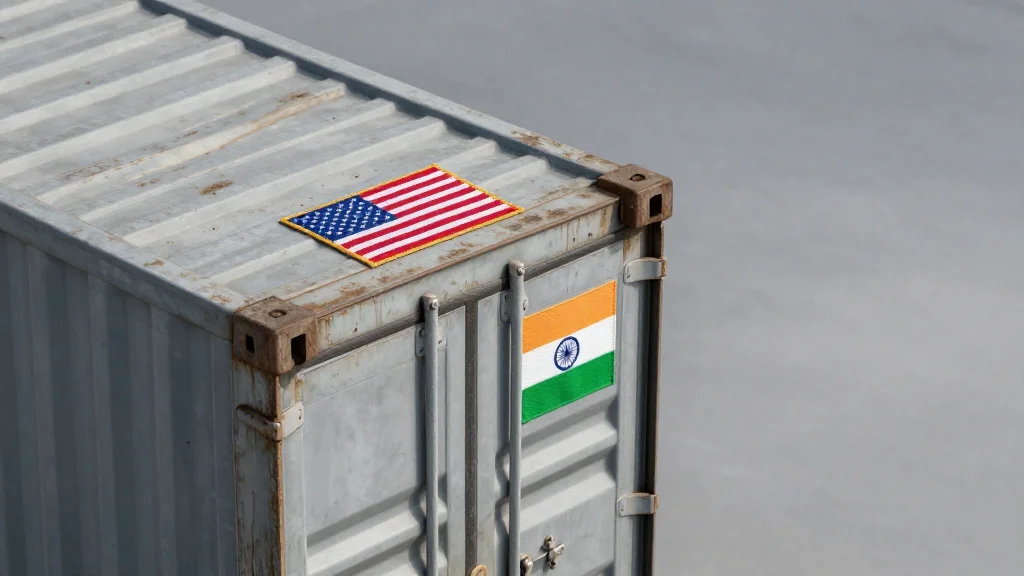
India to Challenge US Section 301 Probes in Public Hearings over Two Weeks
Why It Matters
The outcome will decide if the United States imposes new tariffs on key Indian export sectors, reshaping bilateral trade and supply‑chain costs. It also illustrates how Washington is applying labour and overcapacity standards to global partners.
Key Takeaways
- •India contests USTR Section 301 probes across textiles, auto parts, plastics, solar
- •Hearings run April 28‑29 (forced labour) and May 5‑8 (overcapacity)
- •Indian steel association argues sector isn’t overcapacity or forced‑labour risk
- •Industry groups cite domestic laws and audits to ensure supply‑chain transparency
- •USTR aims to finish probes before July 24 Section 122 tariff deadline
Pulse Analysis
Section 301, the United States’ trade‑remedy tool, allows the USTR to impose tariffs when foreign practices are deemed to burden American commerce. In March 2026, Washington launched probes into India, accusing the country of forced‑labour imports and structural overcapacity in sectors ranging from textiles to solar modules. The investigations arrive amid a broader U.S. push to tighten import standards after the Supreme Court struck down reciprocal tariffs, prompting a temporary 10% Section 122 duty on all trading partners. India’s response is therefore a high‑stakes diplomatic effort to avoid further trade penalties.
New Delhi’s defense hinges on a detailed rebuttal that the alleged overcapacity is mischaracterized and that domestic demand, not excess supply, drives recent capacity investments. Industry bodies such as the Indian Steel Association, Texprocil and the Indian Solar Manufacturers’ Association emphasize robust constitutional safeguards, supplier codes of conduct and third‑party audits that, in their view, eliminate forced‑labour risks. By highlighting existing legal frameworks and transparent supply‑chain practices, Indian stakeholders aim to demonstrate compliance with U.S. labour standards while protecting export‑driven growth.
The stakes extend beyond immediate tariffs. If the USTR concludes the probes before the July 24 deadline and imposes Section 301 measures, affected Indian exporters could face additional duties that raise costs for U.S. buyers and potentially shift sourcing to alternative markets. Conversely, a favorable ruling for India would reinforce its credibility as a reliable trade partner and could set a precedent for how other emerging economies navigate U.S. trade enforcement. The hearings thus serve as a bellwether for future U.S. trade policy, especially as Washington balances strategic competition with supply‑chain resilience.
India to challenge US Section 301 probes in public hearings over two weeks
Comments
Want to join the conversation?
Loading comments...