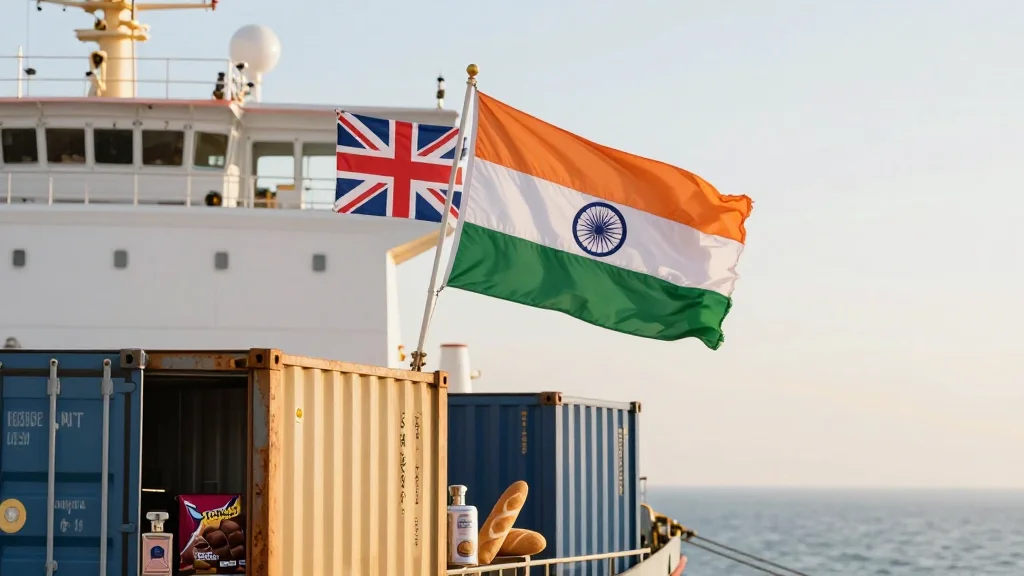
India-UK FTA: Indian Consumers Will Access Premium Brands From UK at Lower Prices, Open Opportunities for Exports of India’s Food and Wellness Products
Companies Mentioned
Why It Matters
Lower tariffs expand consumer choice in India while unlocking export growth for Indian brands in the UK, but strict compliance will determine how fully the trade gains materialize.
Key Takeaways
- •Tariffs on UK cosmetics, foods, and beverages cut, lowering Indian prices
- •Indian exporters gain preferential UK access for processed foods, wellness products
- •Compliance with rules of origin and SPS standards critical for trade flow
- •Reduced Scotch whisky duties benefit Indian consumers and domestic bottlers
- •Premium UK brands enter India affordably, reshaping cosmetics and beverage markets
Pulse Analysis
The India‑UK free‑trade pact marks a strategic shift in bilateral commerce, targeting sectors where price sensitivity and brand prestige intersect. By eliminating or reducing duties on high‑margin categories such as premium spirits, confectionery and personal‑care items, the agreement directly addresses Indian consumers’ growing appetite for Western quality at competitive prices. This tariff liberalisation not only widens the product shelf‑space for UK exporters but also pressures domestic players to innovate and price‑match, fostering a more dynamic retail environment.
For Indian manufacturers, the pact opens a clear pathway to the UK market, especially for processed foods, Ayurveda‑inspired wellness products and niche cosmetics. Preference‑rate access reduces landed‑costs, enhancing price competitiveness against European and American rivals. However, the realisation of these advantages depends on navigating complex non‑tariff barriers. Detailed rules of origin, stringent labeling requirements and alignment of sanitary‑phytosanitary protocols will demand sophisticated compliance frameworks, prompting firms to invest in regulatory expertise and supply‑chain transparency.
Industry analysts anticipate a ripple effect across the broader ecosystem. Lowered Scotch whisky duties, for example, are expected to boost consumption while simultaneously lowering input costs for Indian bottlers, potentially elevating domestic spirit quality. In the cosmetics arena, UK prestige brands will likely capture affluent Indian segments, prompting local firms to upscale formulations and marketing. Overall, the FTA is set to deepen market integration, stimulate export growth, and intensify competition, positioning both economies for sustained consumer‑driven expansion.
India-UK FTA: Indian consumers will access premium brands from UK at lower prices, open opportunities for exports of India’s food and wellness products
Comments
Want to join the conversation?
Loading comments...