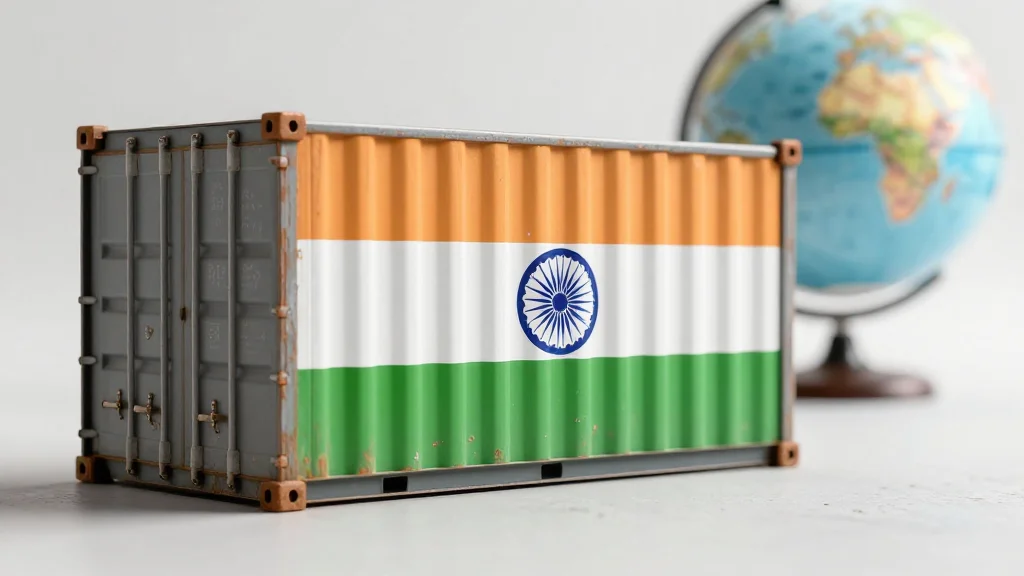
India's Biggest Trade Bet Comes with Six Red Flags
Why It Matters
The findings suggest India’s trade‑deal binge could deepen deficits, shift manufacturing abroad, and limit the economic payoff of its FTAs, reshaping policy priorities for exporters and investors alike.
Key Takeaways
- •Trade deficits with ASEAN, Japan, South Korea surged over 300% since 2007‑09
- •Only 20‑30% of eligible Indian exports claim FTA preferences
- •Inverted duty structure penalises inputs while finished goods enter duty‑free
- •New‑generation FTAs impose labor, environmental, digital and procurement obligations
- •EU carbon border tax could erase tariff gains for Indian exporters
Pulse Analysis
India’s ambition to become a global trade hub has accelerated, with 15 operational FTAs covering 27 countries and another nine agreements in the pipeline. Together, these deals touch three‑quarters of India’s export market, promising lower tariffs and broader market access. Yet the Global Trade Research Initiative’s 2026 FTA Report Card reveals a paradox: the sheer volume of agreements is outpacing measurable gains. Widening trade deficits, especially with ASEAN, Japan and South Korea, signal that tariff reductions are translating into higher import flows rather than export growth, raising questions about the strategic value of the current deal‑making tempo.
At the heart of the problem lies a stark tariff asymmetry. While partner nations enjoy near‑zero MFN duties, India’s average weighted tariff hovers around 12.6%, creating a situation where Indian exporters receive marginal savings but foreign producers reap substantial duty‑free advantages. Consequently, only a fraction of eligible exports—roughly one‑quarter—utilise FTA preferences, and the inverted duty structure further penalises domestic manufacturers by keeping raw‑material duties high while finished goods flow in duty‑free. This distortion incentivises firms to relocate production to ASEAN hubs, fostering a "Make in ASEAN, Sell in India" pattern that undermines the Make in India agenda.
Policymakers face a crossroads: continue signing FTAs without addressing underlying imbalances, or recalibrate the trade architecture to safeguard domestic industry. The report recommends a comprehensive tariff review, elimination of inverted duty structures, and the creation of an FTA Impact Monitoring Authority to track utilisation and sectoral effects. Moreover, emerging obligations—from EU carbon‑border adjustments to digital‑trade clauses—underscore the need for stronger negotiating leverage and clearer reciprocity. For investors and exporters, the message is clear: future growth will depend less on the number of agreements and more on India’s ability to align trade policy with competitive domestic capabilities.
India's biggest trade bet comes with six red flags
Comments
Want to join the conversation?
Loading comments...