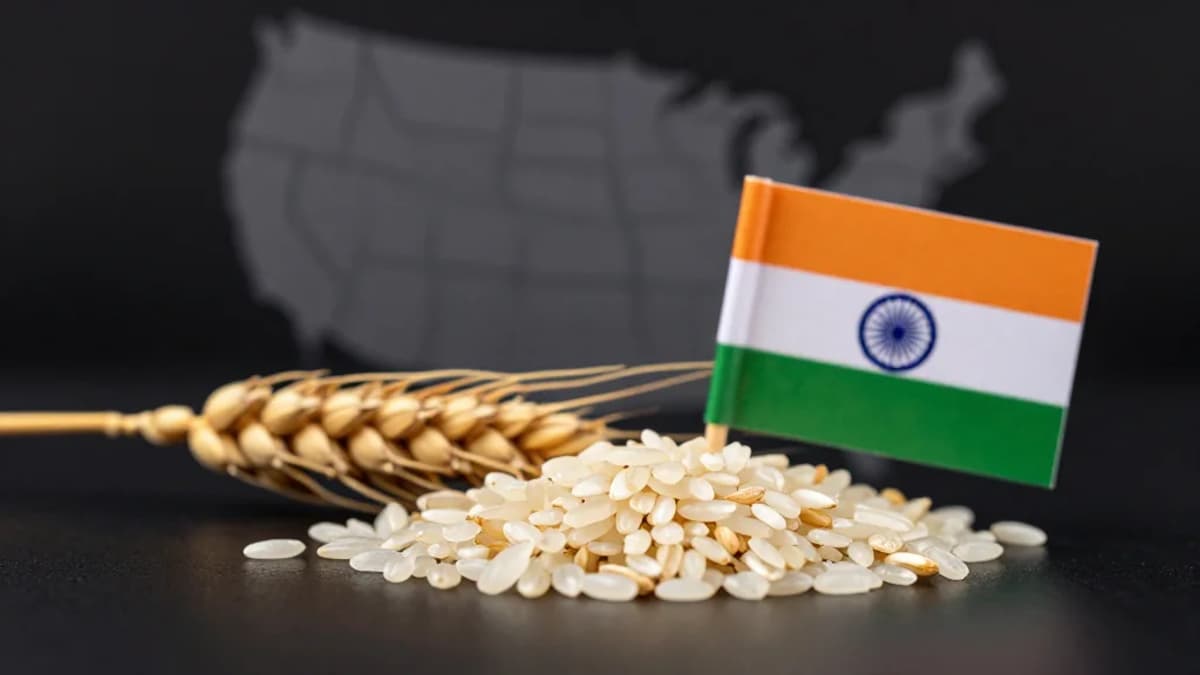
India–US Deal Under Fire as Kisan Bodies Call It ‘Anti-Farmer’, Urge President to Stop It
Why It Matters
The backlash highlights growing domestic resistance to liberalised agricultural trade, potentially reshaping India‑US economic ties and influencing the Modi government’s policy agenda.
Key Takeaways
- •SKM labels India‑US deal anti‑farmer
- •Calls for President to block deal signing
- •Demands removal of commerce minister and IAS official
- •Opposes finance ministry letter on wheat, paddy bonuses
- •Plans meetings with state leaders to protect federal rights
Pulse Analysis
India’s interim trade pact with the United States aims to open markets for technology, services, and select agricultural products, positioning both economies for deeper integration. While officials tout potential gains in export diversification and foreign investment, the agreement also includes provisions that could lower tariffs on U.S. agri‑inputs and streamline dairy imports, sparking concerns among domestic producers about competitive pressures and loss of policy levers.
The Samyukt Kisan Morcha, a coalition that previously led the 2020‑2021 farmer protests, has swiftly mobilised against the deal, framing it as a betrayal of self‑reliance and state fiscal autonomy. By targeting the commerce minister and the Expenditure Secretary who signed the contentious finance‑ministry letter, SKM is leveraging its grassroots network to pressure both the central and state governments. Their strategy of coordinated state‑level meetings mirrors earlier protest tactics that successfully forced policy concessions, underscoring the political weight of agrarian constituencies in India’s federal system.
If the farmer bloc sustains its momentum, the India‑US trade dialogue could face renegotiation or delay, affecting timelines for tariff reductions and joint ventures in agri‑technology. A stalled agreement may also signal to multinational corporations that regulatory risk remains high, potentially curbing foreign direct investment flows. Conversely, a negotiated compromise that addresses farmer concerns could set a precedent for more inclusive trade frameworks, balancing market openness with domestic safeguards. Stakeholders across sectors will be watching how the government reconciles international ambitions with domestic political realities.
India–US deal under fire as kisan bodies call it ‘anti-farmer’, urge President to stop it


Comments
Want to join the conversation?
Loading comments...