Inflation Outlook: Was I Too Pessimistic?
Why It Matters
Understanding the limited scope of the current inflation shock helps investors and policymakers avoid over‑reacting to short‑term price spikes, preserving long‑term strategic decisions.
Key Takeaways
- •5‑year breakeven inflation modestly up, far below pandemic peaks
- •Shock likely confined to short‑term rates, not long‑term inflation
- •Gulf oil price spike hits Asia/Africa demand, eases global pressure
- •Supply‑chain disruptions will affect goods, less impact on services
- •Author plans inflation book release amid market volatility
Pulse Analysis
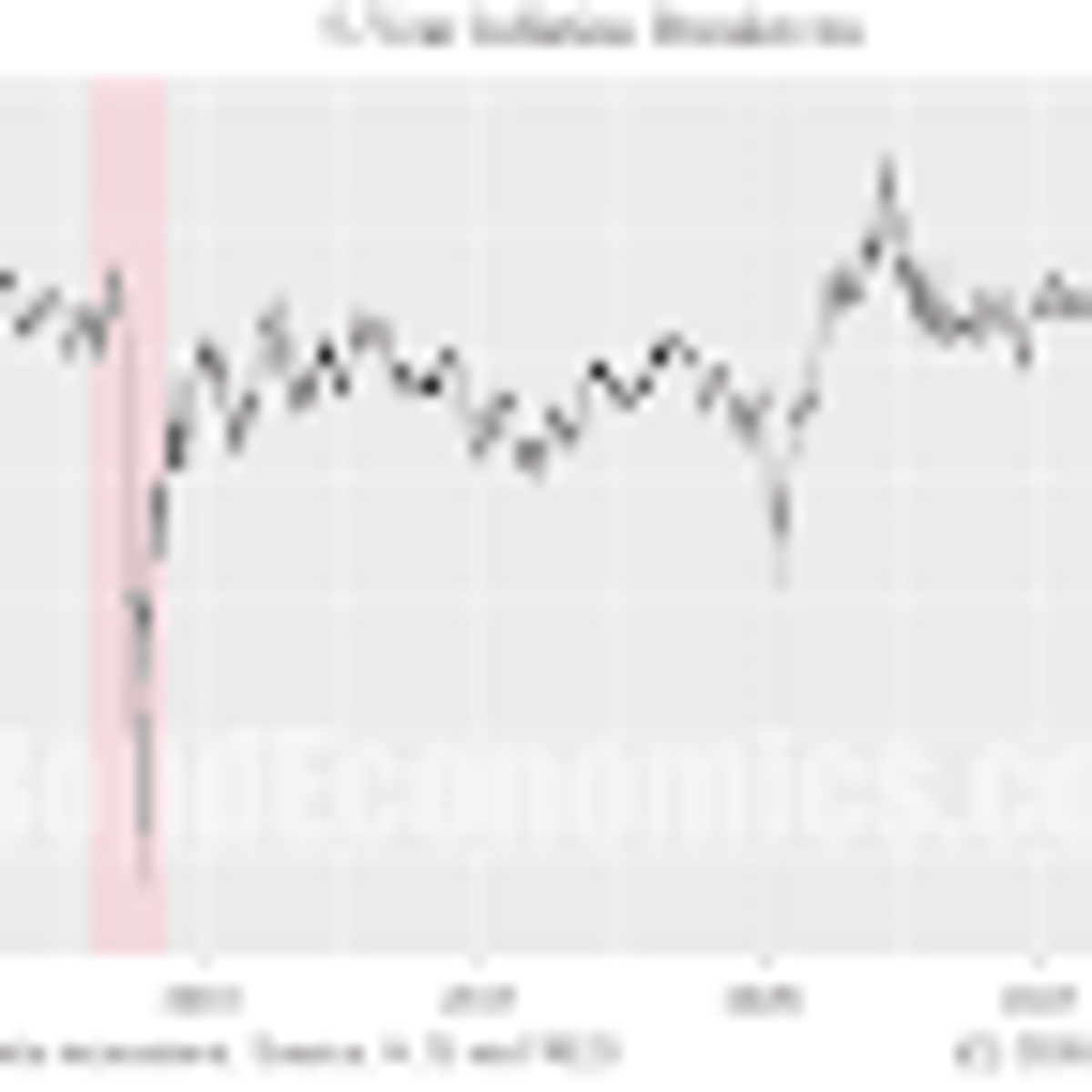
The 5‑year breakeven inflation rate, derived from the spread between nominal Treasury yields and TIPS real yields, serves as a market‑based gauge of inflation expectations. Recent data show a slight uptick, yet the figure stays comfortably beneath the post‑COVID‑19 and post‑Ukraine invasion peaks that once threatened to reset long‑term price trends. This modest movement suggests that investors are pricing in a temporary shock rather than a structural shift, reinforcing the view that inflation will likely revert toward its historical average over the next decade.
A fresh surge in oil prices, driven by renewed geopolitical tension in the Persian Gulf, is creating a localized demand shock. Asian and African economies, heavily reliant on imported energy, are experiencing the sharpest consumption declines, which in turn dampens global demand pressure. While the price spike could feed into short‑term consumer price indices, its effect on services‑oriented economies such as the United States is muted. Moreover, supply‑chain disruptions stemming from reduced commodity flows are expected to manifest over several months, primarily affecting physical‑goods sectors rather than the broader service landscape.
For investors and policymakers, the key takeaway is to differentiate between transitory price spikes and enduring inflationary trends. Monetary authorities may maintain a cautious stance, keeping policy rates steady while monitoring real‑yield movements. Meanwhile, market participants can adjust portfolio exposure, favoring assets less sensitive to short‑term commodity volatility. Romanchuk’s upcoming inflation monograph promises a deeper dive into these dynamics, offering a framework for navigating the post‑shock environment and aligning long‑term strategies with evolving inflation expectations.
Inflation Outlook: Was I Too Pessimistic?
Comments
Want to join the conversation?
Loading comments...