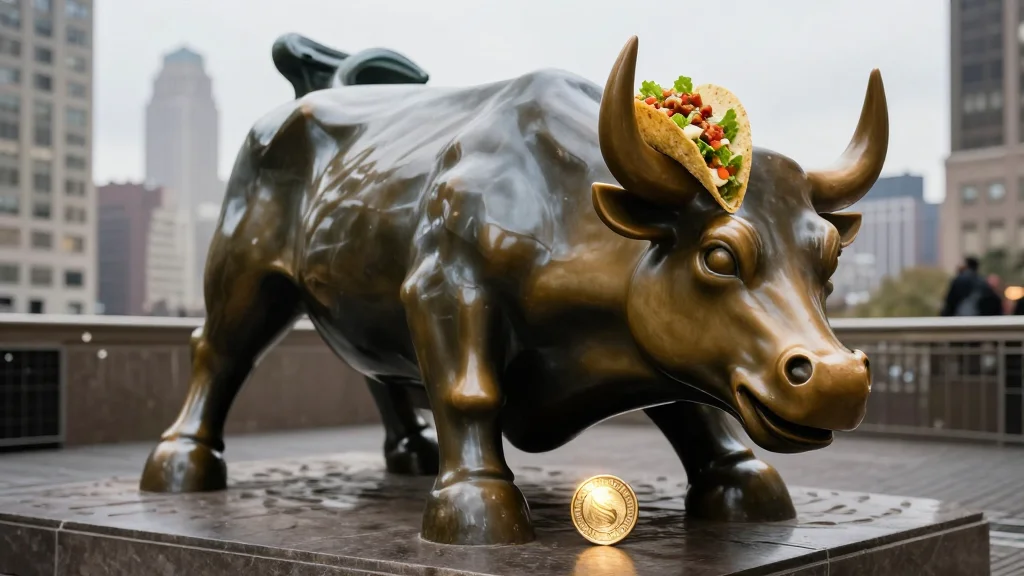
Introducing the ‘NACHO’ Trade: How Wall Street Is Betting on Higher Oil Prices and Persistent Inflation
Why It Matters
By linking oil price bets to Treasury moves, the NACHO trade amplifies pressure on yields and signals that investors expect inflation to stay elevated, influencing monetary‑policy expectations and portfolio allocations.
Key Takeaways
- •NACHO trade assumes Strait of Hormuz remains closed.
- •Traders pair long oil exposure with short‑term Treasury positions.
- •Yield curve compression reflects inflation fears and oil‑driven growth.
- •Paul Krugman highlighted NACHO as a new market meme.
Pulse Analysis
The NACHO trade emerged as traders sought a concise shorthand for a bet that oil prices will remain stubbornly high. Its name—‘Not a Chance Hormuz Opens’—encapsulates the geopolitical premise that the Strait of Hormuz, a chokepoint for roughly a third of global crude, will stay closed or constrained. With the strait’s vulnerability highlighted by recent naval skirmishes, analysts project a supply squeeze that can keep Brent and WTI hovering around the $100‑plus per barrel mark. By locking in long positions on oil‑linked futures or energy equities, investors capture the upside while the underlying risk narrative stays intact.
That oil outlook reverberates through the fixed‑income market. As crude prices climb, inflation expectations rise, prompting a shift from short‑term Treasury bills to longer‑dated bonds that offer higher yields. The resulting compression of the short‑long spread has already nudged the 10‑year Treasury above 4.5%, despite a brief weekly dip. The NACHO trade amplifies this dynamic by simultaneously shorting short‑duration Treasuries, effectively betting that the Federal Reserve will have to keep rates elevated longer than previously forecast. The strategy therefore acts as a barometer for both commodity risk and monetary‑policy sentiment.
Looking ahead, the durability of the NACHO trade hinges on two variables: geopolitical stability around Hormuz and the trajectory of U.S. inflation. A sudden reopening of the strait or a rapid de‑escalation could deflate oil prices, eroding the trade’s core premise and potentially reversing the recent yield‑curve tilt. Conversely, continued supply tightness would reinforce higher‑for‑long oil, sustaining pressure on yields and prompting more investors to adopt similar positioning. Portfolio managers should monitor OPEC production decisions, naval activity reports, and core CPI releases to gauge when the NACHO narrative may lose steam.
Introducing the ‘NACHO’ trade: How Wall Street is betting on higher oil prices and persistent inflation
Comments
Want to join the conversation?
Loading comments...