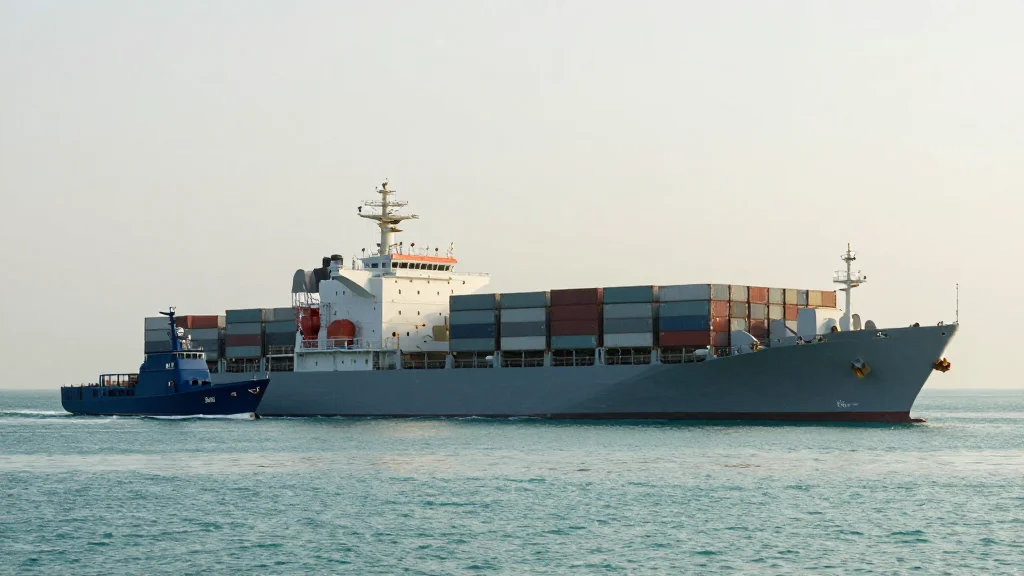
Investors Appear Skeptical as Trump Touts New Plan to Partially Reopen Strait of Hormuz
Companies Mentioned


Why It Matters
Reopening the Hormuz corridor could ease global oil supply constraints and restore confidence in shipping routes, while also testing U.S. diplomatic leverage over Iran. Market participants watch closely for any shift that might stabilize energy prices and reduce geopolitical risk premiums.
Key Takeaways
- •Trump pledges naval escort for neutral ships in Hormuz
- •Oil benchmarks fell modestly after initial post‑announcement dip
- •U.S. Central Command to deploy destroyers and 100+ aircraft
- •Analysts warn Iranian retaliation could undermine reopening plan
Pulse Analysis
The strategic Strait of Hormuz handles roughly 20% of worldwide petroleum flows, so any disruption reverberates through global energy markets. Trump’s latest diplomatic overture, framed as a humanitarian effort for "neutral" vessels, seeks to convert a military standoff into a controlled stabilization operation. By positioning U.S. Navy destroyers and a sizable air fleet, Washington signals both deterrence and a willingness to facilitate commerce, a dual message that could encourage oil producers to adjust output expectations.
Investors reacted with cautious optimism. Futures briefly rallied as traders priced in the prospect of eased shipping bottlenecks, yet the gains quickly evaporated amid doubts about execution and potential Iranian retaliation. Crude prices, already volatile after a February‑triggered conflict, slipped back toward $101 per barrel, reflecting a market that remains sensitive to geopolitical cues. The broader equity backdrop, buoyed by strong tech earnings and record profit margins, masks underlying exposure to energy‑price shocks that could resurface if the Hormuz initiative stalls.
Looking ahead, the initiative’s success hinges on diplomatic nuance and operational clarity. Without concrete timelines or rules of engagement, the plan may serve more as a signaling device than an immediate fix. OPEC+’s modest production increase underscores the industry's desire to offset supply risks, but true market stability will require a durable de‑escalation between the U.S. and Iran. Stakeholders—from oil traders to multinational shippers—should monitor both military deployments and any back‑channel talks for signs that the corridor can transition from a flashpoint to a reliable trade artery.
Investors appear skeptical as Trump touts new plan to partially reopen Strait of Hormuz
Comments
Want to join the conversation?
Loading comments...