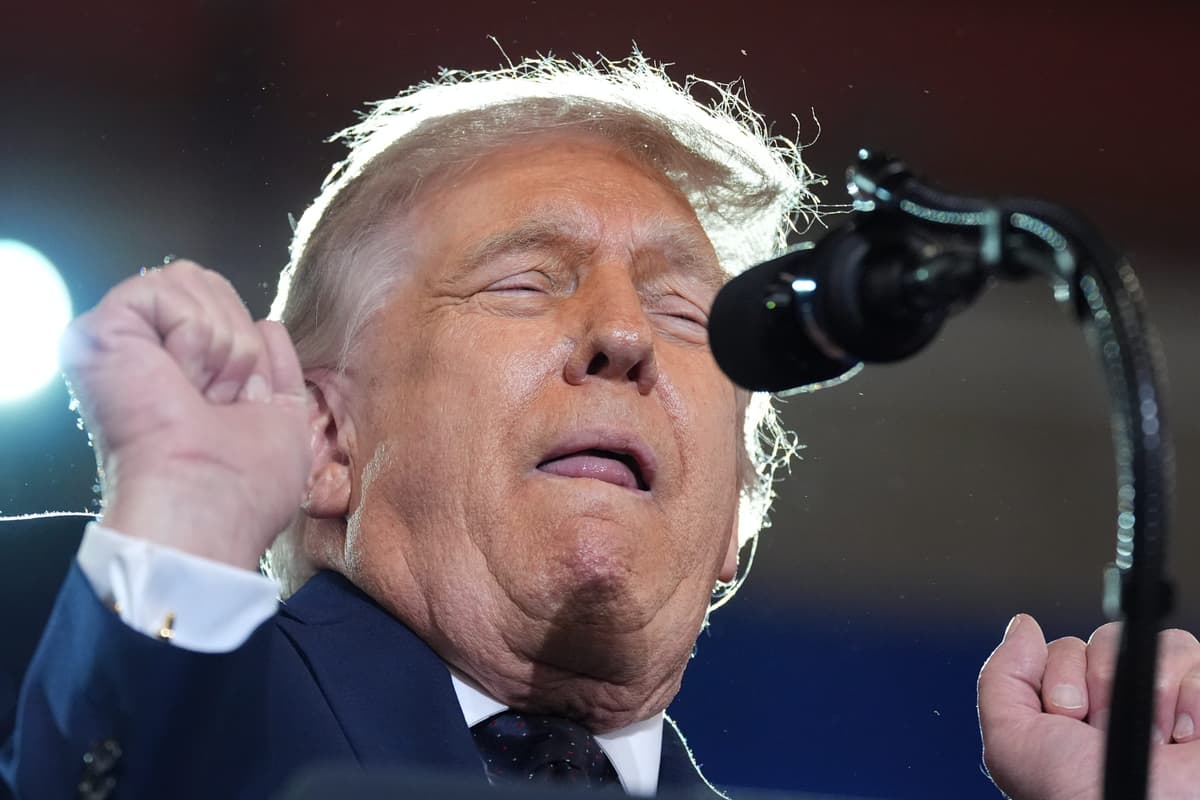
Iran Deal Is ‘Largely Negotiated’ as Trump Teases Strait of Hormuz Re-Opening
Why It Matters
Reopening the Strait of Hormuz would restore a critical oil transit route, easing global supply pressures and mitigating inflation risks for economies like the UK. The deal also signals a potential de‑escalation of US‑Iran tensions, reshaping Middle‑East geopolitics.
Key Takeaways
- •Trump signals a 60‑day ceasefire and reopening of the Strait of Hormuz
- •Iran may surrender its uranium stockpile as part of the pending deal
- •US to lift oil sanctions as Iran clears mines in the strait
- •UK risks higher inflation and slower growth if Hormuz stays closed
Pulse Analysis
The Trump administration’s claim of a near‑term Iran peace agreement marks a dramatic shift after months of heightened tension in the Gulf. By proposing a 60‑day cease‑fire and a framework that would lift selective oil sanctions, the United States aims to restore the flow of crude through the Strait of Hormuz—responsible for roughly a fifth of global oil shipments. The deal also includes a provision for Iran to clear naval mines, a step intended to reassure commercial shipping firms and reduce insurance premiums that have spiked since the strait’s closure.
Economically, the reopening of the strait could ease the recent surge in oil prices that has pushed inflation above six percent in several G7 economies. For the United Kingdom, which has already felt the strain of disrupted energy imports, a swift resolution could blunt a projected hit to GDP growth and help stabilize consumer prices. Analysts note that even a temporary cease‑fire would improve market confidence, potentially lowering the cost of borrowing for energy‑intensive industries and curbing the risk of a broader supply shock.
Politically, the negotiations involve a complex web of regional actors, including the United Arab Emirates, Jordan, and Israel’s Prime Minister Netanyahu, all of whom have urged a diplomatic path. While the Iranian side has hinted at surrendering its uranium stockpile, it has left the nuclear issue out of the immediate agreement, suggesting further talks will be needed. Observers will watch for concrete details on sanctions relief and mine‑clearing timelines, as any delay could reignite market volatility and test the durability of the nascent cease‑fire.
Iran deal is ‘largely negotiated’ as Trump teases Strait of Hormuz re-opening
Comments
Want to join the conversation?
Loading comments...