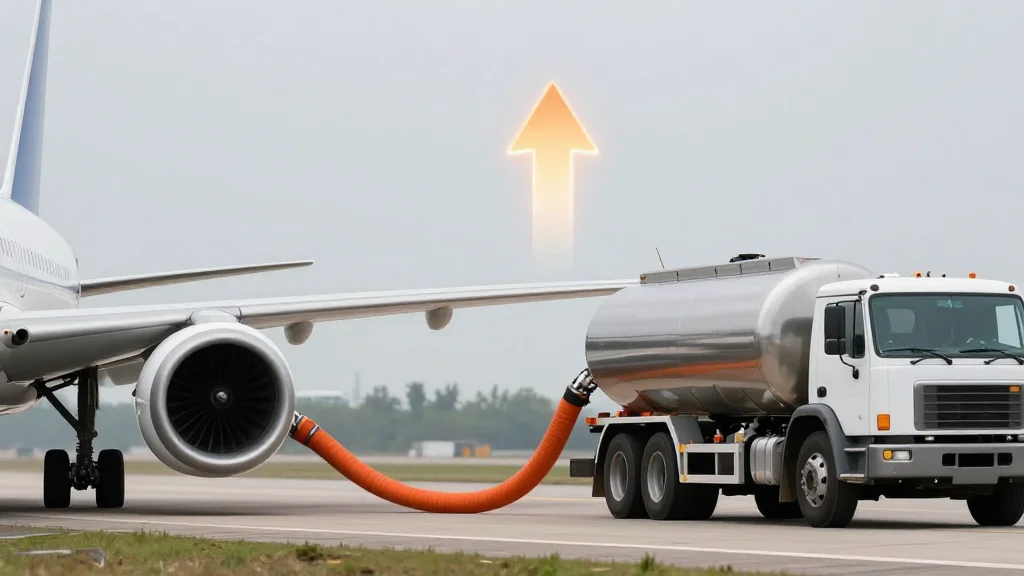
Iran-Israel War Hits Southeast Asian Tourism, Fuel Costs Surge, Revenues Plunge

Companies Mentioned

Why It Matters
The surge in jet‑fuel prices illustrates how geopolitical conflicts can quickly translate into macro‑economic stress for regions far removed from the battlefield. Tourism is a primary source of foreign currency for many ASEAN economies; a prolonged downturn could widen current‑account deficits, pressure exchange rates, and force fiscal reallocations away from development projects. Moreover, the erosion of low‑income earnings for drivers and other service workers threatens social stability and could amplify inequality at a time when many countries are still recovering from pandemic‑induced setbacks. Understanding this spillover helps policymakers anticipate secondary effects of energy shocks, design targeted relief measures, and diversify economic bases to reduce over‑reliance on tourism. The situation also serves as a cautionary tale for investors monitoring exposure to travel‑related assets in emerging markets.
Key Takeaways
- •Cathay Pacific raised medium‑haul fuel surcharge to HK$633 ($80), long‑haul to HK$1,362 ($174).
- •Tourism contributes ~13% of Thailand’s GDP and ~9% of Vietnam’s GDP.
- •Cambodian tuk‑tuk driver earnings fell from $20 to $5 per day due to fuel costs.
- •Jet‑fuel price spikes stem from disruptions to oil flow through the Strait of Hormuz.
- •ASEAN tourism accounted for ~11% of regional economic activity in 2019.
Pulse Analysis
The Iran‑Israel conflict has exposed a structural vulnerability in Southeast Asia’s growth model: an outsized dependence on cheap energy to sustain a tourism‑driven economy. Historically, the region has weathered oil price shocks, but the simultaneous pressures of post‑pandemic recovery and now a geopolitical supply crunch create a compound risk that is harder to mitigate. Airlines, already operating on thin margins, are forced to pass costs onto consumers, which in turn depresses demand—a classic feedback loop that can accelerate a downturn.
From a macro perspective, the surge in fuel import bills will likely widen trade deficits for countries like the Philippines and Nepal, which lack domestic energy resources. Central banks may feel compelled to tighten monetary policy to curb inflationary pressures from higher transport costs, potentially slowing broader economic activity. In the short term, governments could consider temporary fuel subsidies for transport operators or targeted cash transfers for low‑income workers to cushion the blow, but such measures risk fiscal strain.
Looking ahead, the durability of the tourism slump will hinge on the duration of the conflict and the speed at which jet‑fuel markets stabilize. If diplomatic channels open and oil flows normalize, we could see a rapid rebound, especially as summer travel demand is traditionally resilient. However, if the war drags on, investors may begin to reprice exposure to Southeast Asian tourism assets, prompting a shift toward more diversified economies and sectors less sensitive to energy price volatility.
Iran-Israel War Hits Southeast Asian Tourism, Fuel Costs Surge, Revenues Plunge
Comments
Want to join the conversation?
Loading comments...