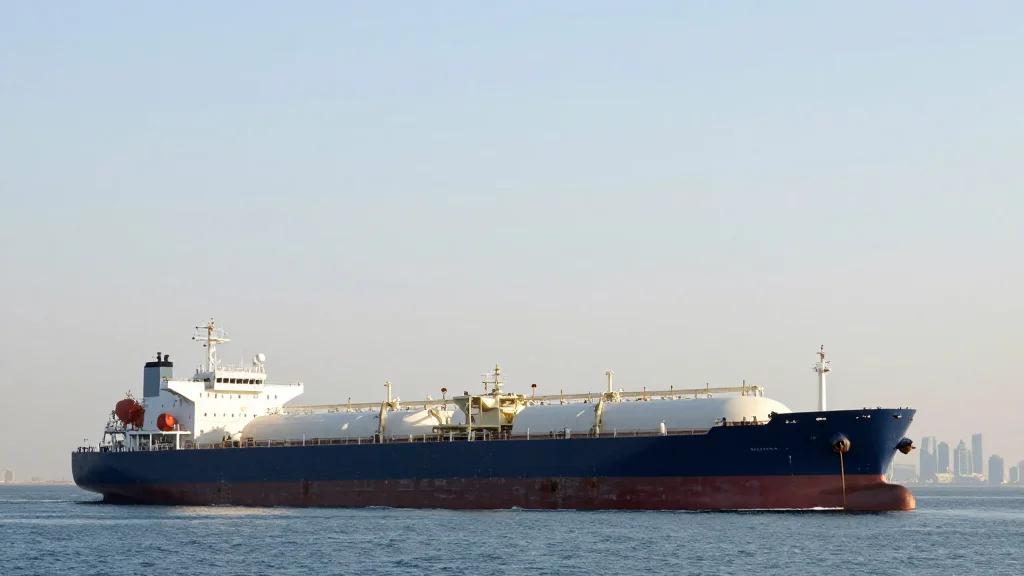
Iran-Israel War Sends Asian Nations Rethinking LNG Expansion as Prices Double

Companies Mentioned
Why It Matters
The disruption of LNG supplies underscores how geopolitical flashpoints can quickly reshape global energy markets, especially for regions heavily reliant on imported gas. For Asia, the world's largest energy consumer, the price shock threatens to derail ambitious decarbonisation pathways, increase inflationary pressures, and force a strategic re‑orientation toward alternative fuels and domestic production. The ripple effects extend to Europe, which benefits from reduced competition for LNG, and to global LNG exporters, who must navigate a market where demand may be permanently curtailed. If the conflict persists, Asian economies could see a prolonged period of higher energy costs, eroding industrial competitiveness and slowing GDP growth. Conversely, the crisis may accelerate investments in renewables, hydrogen and domestic gas, reshaping the continent’s energy architecture for the next decade.
Key Takeaways
- •Iran‑Israel war pushes Asian LNG prices up >100% and imports to six‑year lows
- •India cuts LNG imports ~15% YoY; Bangladesh faces 1.2‑ppt GDP hit from price surge
- •Ras Laffan plant outage could last 5 months; full repairs may take up to 5 years
- •IC IS forecasts global LNG output to contract 0.4% in 2026 – first decline in a decade
- •Analysts warn demand destruction could curb LNG growth in Asia for 5‑10 years
Pulse Analysis
The Iran‑Israel conflict has exposed a structural vulnerability in Asia’s energy strategy: an over‑reliance on imported LNG as a bridge fuel to a low‑carbon future. Historically, the region counted on a surge in U.S. and Australian LNG capacity to lock in cheap, stable supplies, enabling rapid coal‑to‑gas switches. The sudden loss of a fifth of global export capacity has forced a rapid reassessment, highlighting that geopolitical risk is as material as price volatility.
In the short term, the price shock will likely accelerate a shift toward cost‑effective alternatives. Countries with the fiscal bandwidth, such as Japan and South Korea, may double‑down on renewable power purchase agreements and explore hydrogen imports, while less‑wealthy nations could double domestic gas production, as seen in Pakistan, to mitigate import exposure. This bifurcation could widen the gap between advanced and developing Asian economies in terms of energy security and decarbonisation progress.
Long‑term, the episode may recalibrate global LNG investment cycles. Developers may become more cautious about greenfield projects in regions perceived as high‑risk, potentially slowing the pipeline of new capacity that was slated to keep prices low through the late 2020s. Investors could also demand higher risk premiums, pushing up financing costs for future LNG projects. For the global economy, the ripple effect could be a slower transition to cleaner fuels, higher inflation in energy‑intensive economies, and a re‑balancing of trade flows that benefits European importers at the expense of Asian demand.
Overall, the conflict underscores that energy security strategies must embed geopolitical resilience, not just cost considerations. Asian policymakers now face a choice: double‑down on LNG despite heightened risk, or accelerate the diversification into renewables, storage and domestic gas—decisions that will shape the continent’s carbon trajectory for decades.
Iran-Israel War Sends Asian Nations Rethinking LNG Expansion as Prices Double
Comments
Want to join the conversation?
Loading comments...