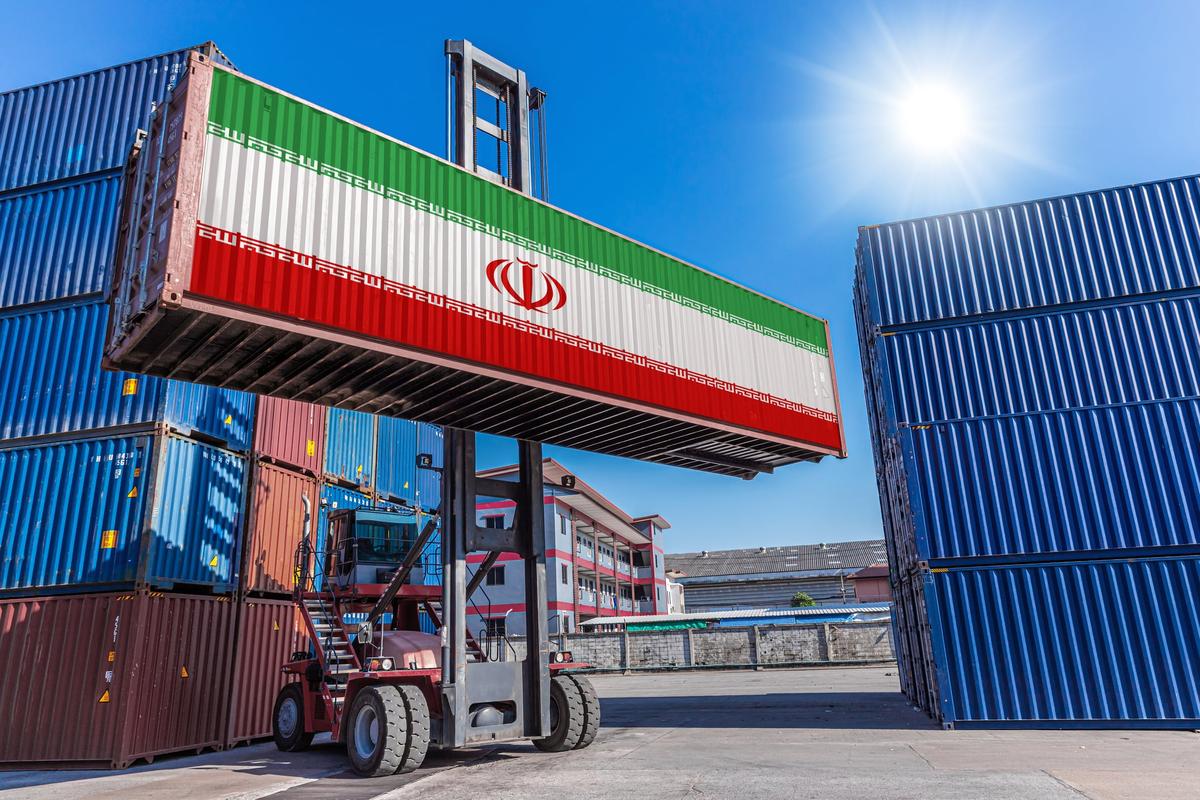
Iran War Food Price Crisis: How Industry Can Prepare
Why It Matters
The disruption threatens to lift staple food prices, squeezing margins for producers and raising inflation risks for consumers worldwide. Early mitigation can protect supply chains and stabilize markets before a full‑blown price shock materialises.
Key Takeaways
- •FAO warns food price crisis within 6‑12 months if war persists
- •Strait of Hormuz closure spikes global fertilizer and energy costs
- •Fertilizer‑intensive crops face steep price pressure
- •Industry urged to diversify logistics and adopt precision agriculture
- •Regional reserve building mitigates location‑specific supply shocks
Pulse Analysis
The ongoing closure of the Strait of Hormuz has turned a regional conflict into a global supply‑chain stress test. By halting the flow of crude oil, liquefied natural gas and key fertilizer components such as urea and phosphate, the war has pushed energy prices to multi‑year highs and sent fertilizer costs soaring. Those price hikes filter through to farmers, especially for nitrogen‑heavy crops like wheat and corn, eroding profit margins and prompting producers to reassess planting decisions.
Commodity markets are already showing uneven impacts. Niche, energy‑intensive products—such as certain oilseeds and specialty grains—are expected to see the sharpest price spikes, while softer commodities like wheat and dairy have been relatively insulated so far. Yet a prolonged conflict could shift this balance, with biofuel demand further tightening supplies of palm oil and other feedstocks. Adding to the volatility, a concurrent European heatwave threatens crop yields in Romania, France, Poland and Ukraine, compounding the risk of a broader food‑price surge.
To blunt the shock, the FAO recommends both short‑ and long‑term strategies. In the near term, firms should secure alternative trade corridors that bypass the Hormuz bottleneck and adopt intercropping to reduce fertilizer dependence. Over the longer horizon, building regional reserve stocks, investing in electric‑powered irrigation and deploying precision‑agriculture tools—drones, sensors, AI‑driven analytics—can lower input costs and improve resilience. Companies that act now will be better positioned to navigate price volatility and protect both margins and food‑security outcomes.
Iran war food price crisis: How industry can prepare
Comments
Want to join the conversation?
Loading comments...