Iraq Turns to Risky Overland Routes as Oil Exports Collapse
Companies Mentioned
Why It Matters
The export collapse threatens Iraq’s fiscal stability and could ripple through global oil markets, while the overland workaround underscores the strategic importance of a secure maritime route through Hormuz.
Key Takeaways
- •Iraq's oil exports fell 80%, to ~1.25 million bpd.
- •Rabia‑Yarubiyah crossing reopened after 13 years, enabling overland trucks.
- •Overland trucking costs far exceed maritime transport, limiting export recovery.
- •Security risks in Nineveh and Hasakah threaten oil convoy safety.
- •Full Hormuz reopening remains essential for Iraq’s fiscal stability.
Pulse Analysis
The sudden collapse of Iraq’s oil exports—down roughly 80 % to about 1.2 million barrels per day—has plunged the nation into a fiscal emergency. With oil accounting for nearly 95 % of government revenue, the loss translates into billions of dollars of budget shortfalls, pressuring public services and debt obligations. The disruption stems from the Strait of Hormuz, where heightened U.S.–Iran tensions have rendered the waterway effectively closed to commercial tankers. Even a temporary Iran‑brokered agreement failed to offset soaring war‑risk premiums, leaving Iraq without a viable maritime outlet.
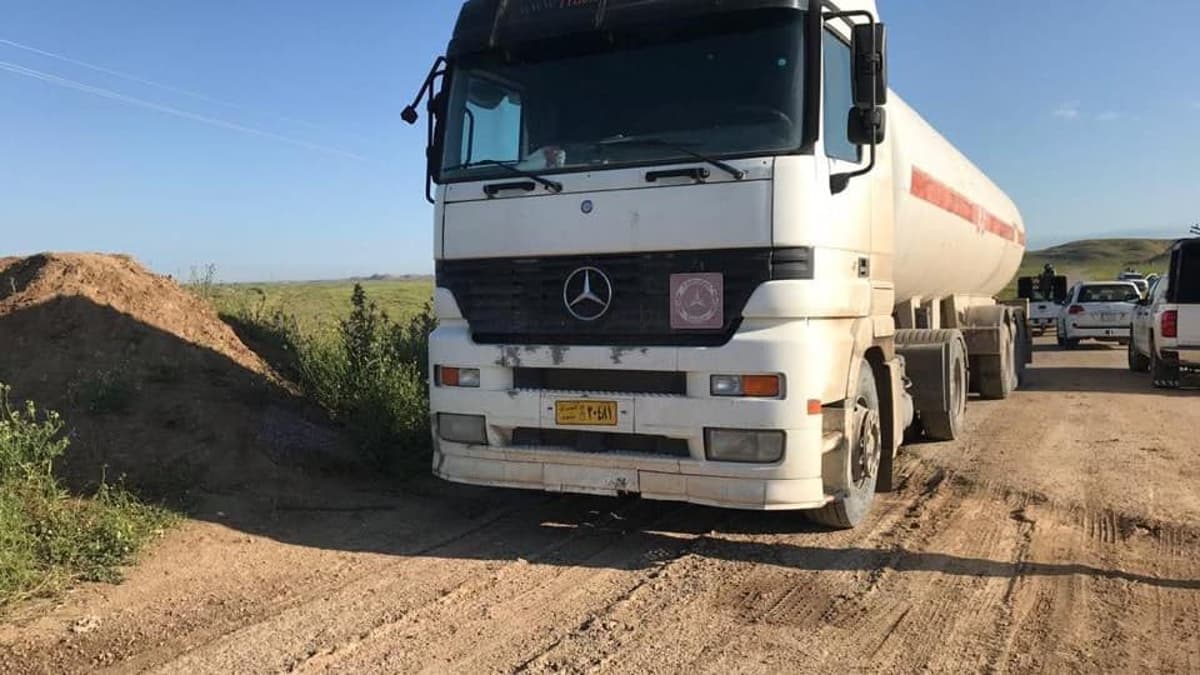
To keep crude moving, Iraq has turned to the newly reopened Rabia‑Yarubiyah border crossing with Syria, the first overland oil corridor operational after a 13‑year hiatus. Trucks now ferry fuel to Mediterranean ports, but the solution is costly and inefficient. Overland transport incurs higher fuel, labor, and security expenses, and capacity is limited to 600‑700 trucks daily, far below the 700 tankers per day that previously moved through Hormuz. Moreover, the route traverses former ISIS‑held zones in Nineveh and Hasakah, exposing convoys to drone attacks and shelling, which further hampers reliability.
While the overland corridor offers a stopgap, a sustainable recovery hinges on a full reopening of the Strait of Hormuz. Until then, Iraq, along with fellow Gulf exporters such as Kuwait and Qatar, faces prolonged revenue volatility and heightened geopolitical risk. Ongoing diplomatic talks in Islamabad, involving U.S. Vice President JD Vance, underscore the international stakes, but Iran’s inconsistent messaging threatens any lasting agreement. In the medium term, Iraq may explore expanding pipeline links to Turkey or investing in a modest national tanker fleet, yet none can match the economies of scale provided by an open Hormuz corridor.
Iraq Turns to Risky Overland Routes as Oil Exports Collapse
Comments
Want to join the conversation?
Loading comments...