Kazakhstan Q1 GDP Grows 3% YoY as Oil Output Slumps 20%, Raising Growth Concerns

Why It Matters
Kazakhstan is the largest economy in Central Asia and a key supplier of oil, gas, and minerals to global markets. A slowdown in its resource sector reverberates through commodity prices, affecting exporters and multinational firms with exposure to the region. The country’s reliance on government‑driven projects also highlights the challenges faced by emerging markets that depend on state spending rather than private investment. If the “flat economy” persists, foreign investors may reassess risk premiums for Central Asian assets, potentially curbing capital inflows. Conversely, successful policy reforms could position Kazakhstan as a model for diversification, offering a blueprint for other resource‑dependent economies navigating post‑pandemic volatility.
Key Takeaways
- •Kazakhstan Q1 2026 GDP grew 3% YoY, down from 5.6% in Q1 2025.
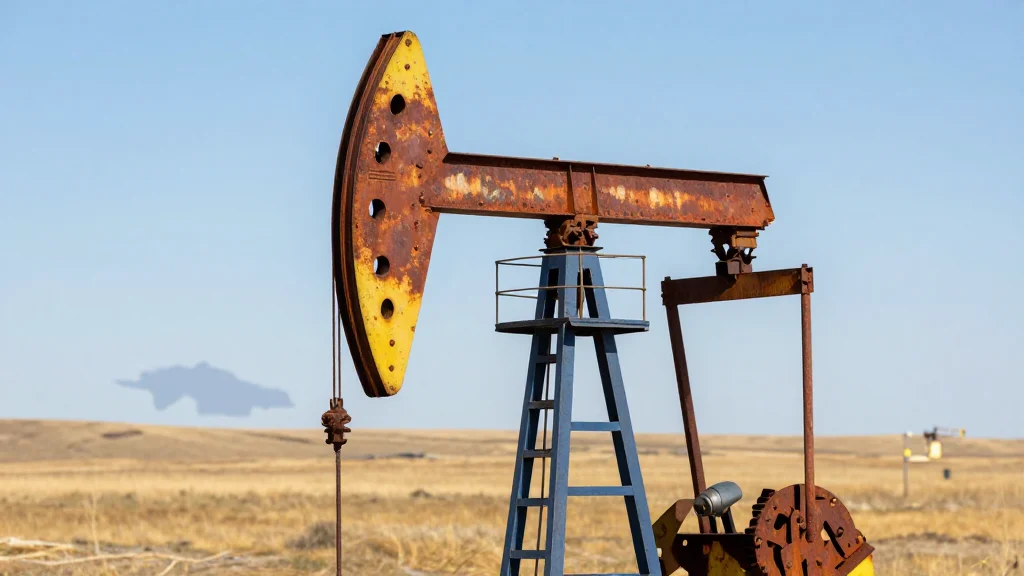
- •Oil and gas production fell nearly 20% YoY, dragging industrial output into negative territory.
- •Manufacturing expanded 8.5% YoY, led by machinery (+21.9%) and food (+12.6%).
- •Retail trade growth slowed to 2.8% YoY as real household incomes turned negative.
- •Analysts label the current phase a “flat economy” and call for regulatory and fiscal reforms.
Pulse Analysis
Kazakhstan’s modest growth underscores a broader pattern where commodity‑rich economies struggle to translate macro‑level gains into tangible improvements for businesses and households. The 20% plunge in oil output is a stark reminder of the sector’s volatility; even a single commodity shock can reverse years of progress. While manufacturing’s double‑digit gains demonstrate the potential of non‑resource sectors, they remain too small to offset the drag from mining and the lack of private‑sector dynamism.
Policy‑makers face a delicate balancing act. Continued reliance on fiscal stimulus risks crowding out private investment, yet scaling back spending could exacerbate the current plateau. The call for regulatory liberalisation, especially for SMEs, aligns with global trends where nimble firms drive post‑crisis recovery. If Kazakhstan can streamline licensing, improve access to credit, and incentivise diversification, it may unlock a more resilient growth path.
From an investor perspective, the country’s trajectory will influence risk assessments across the region. A successful reform agenda could lower sovereign spreads and attract portfolio inflows, while stagnation may push capital toward more stable markets. Monitoring the upcoming budget and any policy shifts will be critical for stakeholders betting on Central Asian growth.
Kazakhstan Q1 GDP Grows 3% YoY as Oil Output Slumps 20%, Raising Growth Concerns
Comments
Want to join the conversation?
Loading comments...