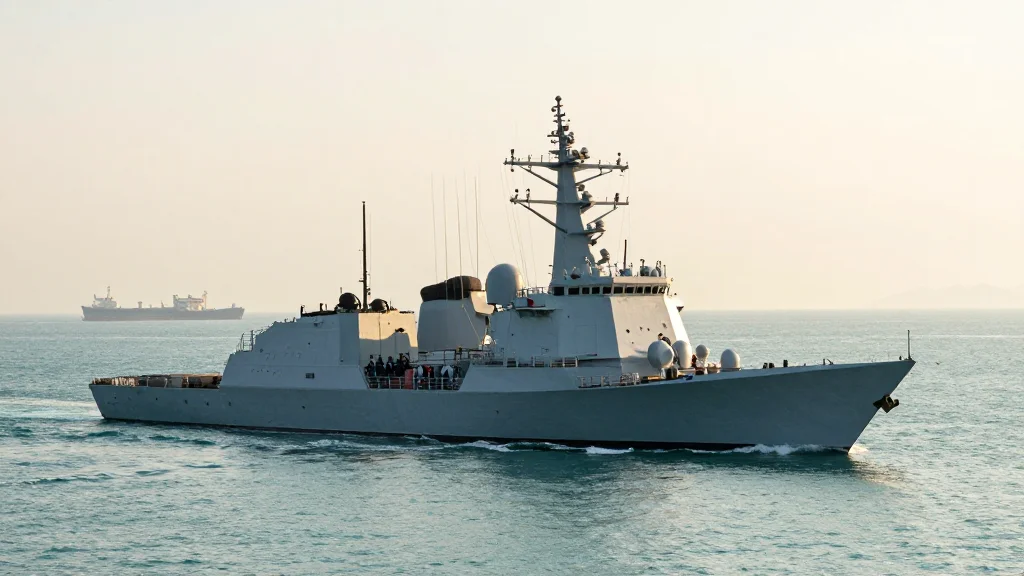
Kroenig Quoted in The Wall Street Journal on the US Blockade of Hormuz
Why It Matters
A U.S. blockade of Hormuz could choke a vital oil artery, inflating energy prices and destabilizing regional security. The move signals a shift toward kinetic pressure, raising stakes for global markets and diplomatic efforts.
Key Takeaways
- •Hormuz handles ~20% of global oil shipments daily
- •Trump admin signals limited strikes to pressure Iran
- •Kroenig warns escalation could trigger broader conflict
- •Blockade risks disrupting $100 billion daily trade flow
- •Allies urge diplomatic channel to avoid market shock
Pulse Analysis
The Strait of Hormuz remains one of the world’s most critical maritime chokepoints, funneling roughly 20 percent of daily oil shipments and billions of dollars in trade. Any disruption—whether through a formal blockade or heightened naval presence—carries immediate ramifications for global energy markets, shipping insurance premiums, and the balance of power in the Persian Gulf. Analysts watch the corridor closely because even a brief interruption can trigger price spikes that ripple through the U.S. economy and beyond.
Matthew Kroenig’s recent Wall Street Journal interview reflects a broader strategic calculus within the Trump administration. By signaling limited strikes against Iranian assets, Washington aims to compel Tehran back to the negotiating table without committing to a full‑scale war. Kroenig warns that such calibrated pressure risks unintended escalation, especially if Iran perceives the threat as a prelude to broader hostilities. The rhetoric also tests the resolve of regional allies, who must weigh the benefits of a firm U.S. stance against the danger of being drawn into a conflict that could destabilize their own economies.
For investors and policymakers, the prospect of a Hormuz blockade underscores the importance of diversified energy sources and robust risk‑management frameworks. Market participants are likely to monitor oil futures, shipping routes, and geopolitical indicators for signs of tightening. Meanwhile, diplomatic channels remain essential; a coordinated effort among the United States, European partners, and Gulf states could mitigate the economic fallout while preserving strategic deterrence. In this volatile environment, clear communication and contingency planning are paramount to avoid a sudden shock to the global financial system.
Kroenig quoted in The Wall Street Journal on the US blockade of Hormuz
Comments
Want to join the conversation?
Loading comments...