Lebanon’s Economy Stalls at 0% Growth Amid War and Fuel Crisis

Companies Mentioned
Why It Matters
Lebanon’s economic collapse has implications far beyond its borders. As the country’s banking sector remains paralyzed, capital flight could strain regional financial stability, while soaring fuel prices feed inflation across the Middle East. The humanitarian toll—over a million displaced—adds pressure on neighboring states already coping with refugee influxes. Moreover, the global fuel crisis, amplified by the Strait of Hormuz blockage, underscores how geopolitical tensions can quickly translate into worldwide price shocks, affecting everything from transport costs to food prices. For policymakers, Lebanon serves as a cautionary case of how layered crises—political, financial, and energy—can interact to amplify economic distress. The situation tests the effectiveness of international aid mechanisms, the resilience of regional supply chains, and the capacity of multilateral institutions to intervene before a localized collapse triggers broader systemic risks.
Key Takeaways
- •Bank Audi forecasts 0% GDP growth for 2026 if war continues
- •Inflation reached an 18‑month high in March 2025
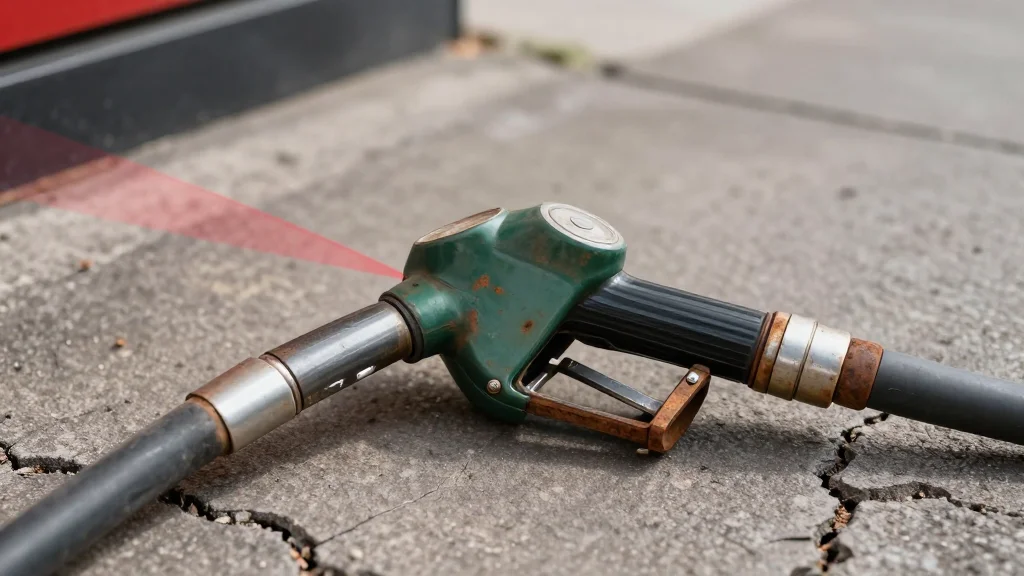
- •Petrol prices have doubled due to global fuel shortage
- •More than 1.2 million Lebanese displaced by renewed conflict
- •Lebanese currency lost over 90% of its value since 2019
Pulse Analysis
Lebanon’s current trajectory illustrates the peril of overlapping shocks. Historically, the nation’s economy has been battered by a series of crises—banking collapse, the 2020 port blast, and now renewed warfare. Each event eroded confidence, depleted foreign exchange reserves, and forced the currency into a freefall. The latest war has not only destroyed physical infrastructure but also reignited capital outflows, as investors flee a market with no clear path to recovery.
The global fuel crisis acts as a multiplier. With the Strait of Hormuz effectively closed, oil shipments to the region have plummeted, inflating transport costs and feeding into already high inflation. For Lebanon, which imports the majority of its energy, the impact is immediate and severe, pushing operating costs for small enterprises like Habib’s barber shop beyond sustainable levels. This micro‑level strain aggregates into macro‑level stagnation, as consumer spending contracts and businesses shutter.
Looking forward, Lebanon’s economic fate hinges on two variables: the duration of hostilities and the willingness of international actors to provide coordinated relief. A swift ceasefire could reopen trade routes and allow humanitarian aid to flow, potentially stabilizing fuel prices. Simultaneously, a targeted IMF program—conditional on structural reforms—could restore some banking functionality and rebuild confidence. Absent these moves, Lebanon risks becoming a chronic sink for regional instability, with spillover effects that could exacerbate inflation and debt vulnerabilities across the Middle East.
Lebanon’s Economy Stalls at 0% Growth Amid War and Fuel Crisis
Comments
Want to join the conversation?
Loading comments...