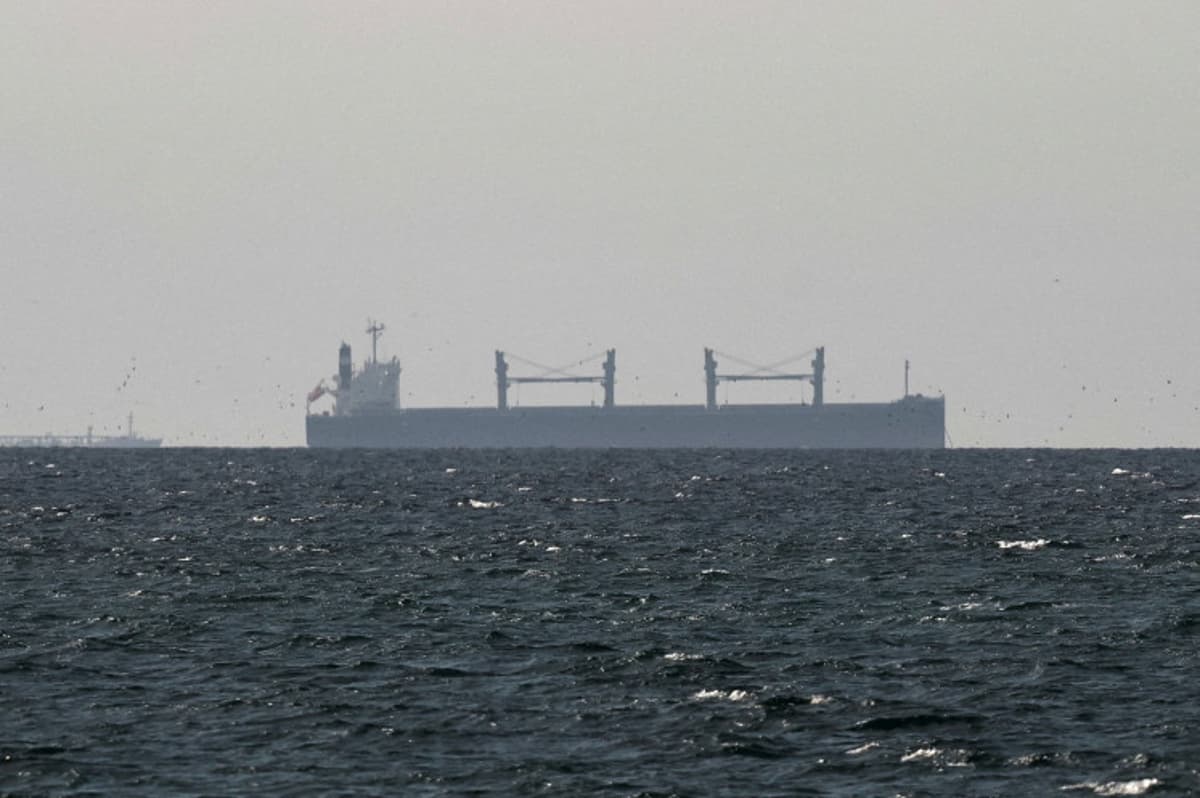
Lose and Lose in the Strait of Hormuz
Why It Matters
Any disruption to Hormuz instantly reverberates through oil markets, driving up prices, inflation and food costs worldwide, while also testing the strength of maritime law and multilateral security arrangements.
Key Takeaways
- •Hormuz carries ~20% of global oil shipments daily
- •UNCLOS guarantees transit passage, limiting unilateral closures
- •Historical closures show Strait as geopolitical bargaining chip
- •Disruption would spike oil prices, affect inflation and food security
- •Iran, Oman, UAE, and navies balance power to keep passage open
Pulse Analysis
The Strait of Hormuz remains one of the world’s most vital maritime arteries, funneling an estimated 21 million barrels of oil each day from Saudi Arabia, Iraq, Kuwait and the United Arab Emirates toward global markets. Its narrow 21‑mile width makes it vulnerable to blockades, a fact that has been exploited repeatedly since the 1980s. Each time regional tensions flare, the strait transforms from a commercial corridor into a strategic lever, prompting navies from the United States, United Kingdom and other allies to maintain a constant presence.
International law, specifically the United Nations Convention on the Law of the Sea (UNCLOS), designates Hormuz as a “strait used for international navigation,” granting all vessels an unimpeded right of transit passage. Article 44 bars coastal states from suspending that right, meaning any unilateral attempt by Iran, Oman or the UAE to seal the waterway would breach a treaty that has become customary international law. Legal scholars cite the principle of *res communis*—the sea belongs to all—to reinforce the argument that the strait cannot be weaponized without broader repercussions.
In today’s volatile geopolitical climate, the risk of a Hormuz shutdown is more than a regional concern; it is a catalyst for global price shocks. Even a brief interruption can lift Brent crude by several dollars per barrel, feeding higher transportation costs, inflationary pressure on consumer goods, and heightened food insecurity in import‑dependent nations. Maintaining open passage therefore hinges on diplomatic engagement, coordinated naval patrols, and respect for the UNCLOS framework, underscoring the strait’s role as both an economic lifeline and a barometer of international order.
Lose and lose in the Strait of Hormuz
Comments
Want to join the conversation?
Loading comments...