Markets Are Jittery as the Global Oil Crisis Bleeds Into a Global Debt Selloff, While Trump Weighs New Military Options on Iran
Companies Mentioned

Why It Matters
The convergence of an oil supply shock and rising sovereign‑bond yields threatens to tighten global financing conditions and could accelerate inflation, while escalating U.S.–Iran tensions add a volatile geopolitical layer to markets.
Key Takeaways
- •Oil futures up 1.75% to $107 per barrel, Brent at $110.70
- •30‑year Treasury yield topped 5%, first time in 20 years
- •JPMorgan warns developed‑world oil inventories near stress levels by June
- •UBS says oil buffers exhausted, risk of panic buying rises
- •Trump signals tougher military response to Iran if talks stall
Pulse Analysis
The closure of the Strait of Hormuz has reignited a classic supply‑side shock in the energy market. With more than half of the world’s oil passing through the narrow waterway, its blockage has forced crude prices above $110 a barrel, a level not seen since the early 2020s. Analysts at JPMorgan and UBS warn that commercial inventories in the West are approaching operational stress, a scenario that could trigger panic buying and further price spikes. This tightening of physical supplies is now feeding directly into financial markets, where investors are recalibrating risk premia across asset classes.
At the same time, bond markets are reacting to the dual threat of higher energy‑driven inflation and the prospect of more aggressive monetary policy. The 10‑year Treasury yield climbed to 4.61%, while the 30‑year benchmark breached the 5% threshold for the first time in two decades, echoing the debt‑selloff dynamics of the early 2000s. Yield hikes across the U.S., Eurozone, Japan and the U.K. suggest that central banks may have less room to maneuver, potentially squeezing corporate financing and consumer credit as borrowing costs rise.
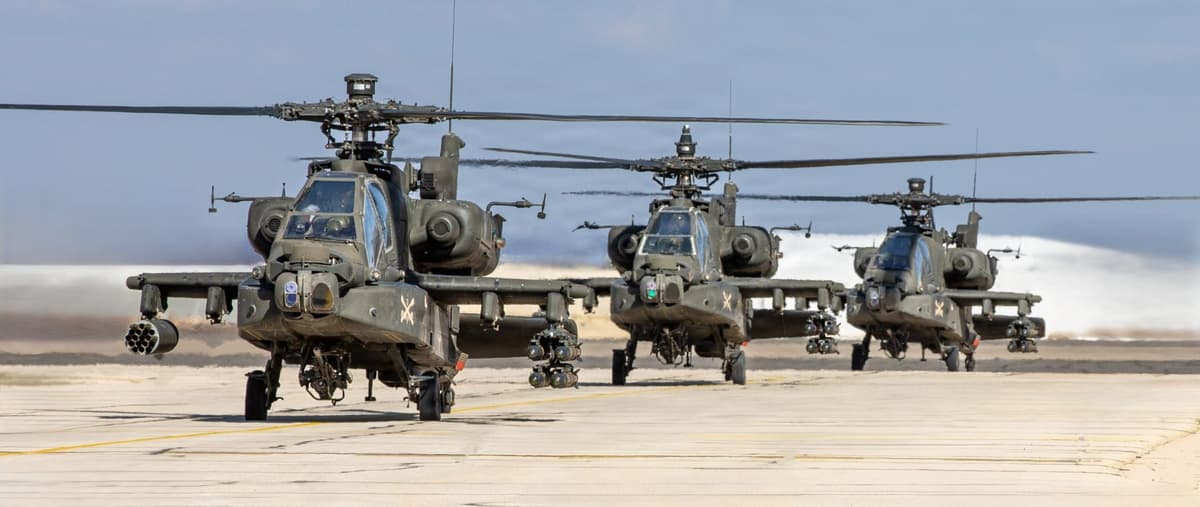
Geopolitical risk has surged as President Donald Trump convened senior national‑security officials to discuss “harder” military options against Iran. The rhetoric underscores a shift from diplomatic engagement to a more confrontational stance, raising the probability of a regional conflict that could further disrupt oil flows. For investors, the confluence of an oil supply crunch, soaring bond yields, and heightened geopolitical tension creates a volatile backdrop that demands close monitoring of both macro‑economic indicators and policy signals.
Markets are jittery as the global oil crisis bleeds into a global debt selloff, while Trump weighs new military options on Iran
Comments
Want to join the conversation?
Loading comments...