Maximum Pressure Returns: U.S. Targets Shadow Fleet Tankers as Iran Oil Waiver Expires
Why It Matters
By cutting off both the legal waiver and the logistical backbone of Iran’s oil shipments, the United States aims to choke sanctioned revenue streams and deter other actors from exploiting similar shadow‑fleet structures, reshaping global energy trade dynamics.
Key Takeaways
- •U.S. Treasury sanctions over 24 entities linked to Shamkhani network
- •General license for stranded Iranian oil expires, ending temporary waiver
- •Shadow fleet uses multiple flags and front companies to evade sanctions
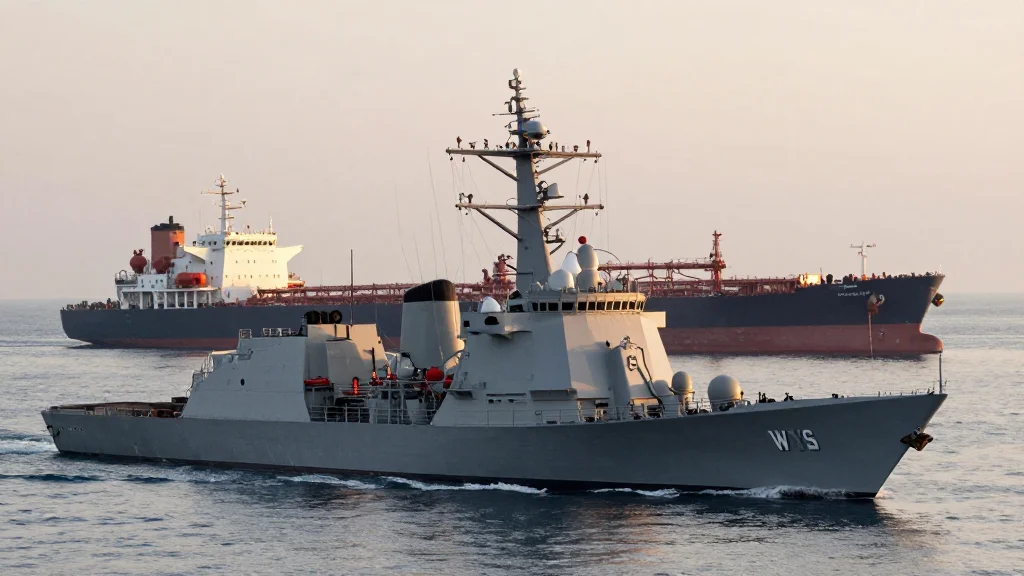
- •U.S. naval blockade has already turned back nine Iranian‑linked tankers
- •Strait of Hormuz traffic slows as insurers reassess risk exposure
Pulse Analysis
The expiration of the 30‑day general license marks a clear policy reversal for the Biden administration, ending a short‑lived reprieve that had allowed Iranian crude already on board to be sold. Analysts had warned that the waiver was inflating global oil prices by keeping sanctioned supply in the market; its removal is expected to tighten supply and could add upward pressure on Brent and WTI benchmarks. At the same time, the Treasury’s sweeping sanctions against the Shamkhani network underscore a broader strategy to target the financial and operational layers that enable illicit oil flows.
The shadow‑fleet model has evolved into a sophisticated web of shell companies, multiple flag registrations, and layered ownership designed to obscure true beneficiaries. By designating vessels such as the Mozambique‑flagged AURA and a cluster of Panama‑ and Cameroon‑flagged tankers, the United States is signaling that flag state protection no longer shields operators from secondary sanctions. This creates compliance challenges for ship owners, insurers, and charterers, who must now conduct deeper due‑diligence on vessel histories and corporate affiliations to avoid secondary penalties.
Geopolitically, the coordinated financial crackdown and active naval blockade amplify the risk calculus for any entity considering participation in Iran‑linked oil trades. The slowdown in Strait of Hormuz traffic reflects heightened insurance premiums and a reluctance among shipowners to expose crews to potential interdiction. If the enforcement posture persists, the shadow‑fleet’s capacity to move sanctioned oil could be significantly curtailed, potentially reducing Iran’s export revenues and reshaping the competitive landscape for Russian oil that has relied on similar channels. Market participants will be watching for further Treasury licensing updates and any escalation in naval enforcement as indicators of the long‑term trajectory of U.S. maximum‑pressure policy.
Maximum Pressure Returns: U.S. Targets Shadow Fleet Tankers as Iran Oil Waiver Expires
Comments
Want to join the conversation?
Loading comments...