Middle East Crisis: Poison for the World, but Meat for East Africa’s Oil Dreams?
Why It Matters
The initiative could secure energy independence for the East African Community but risks creating stranded assets if oil prices collapse, highlighting the tension between fossil‑fuel investments and the continent’s rapid clean‑energy transition.
Key Takeaways
- •Tanzania's Tanga refinery hub targets regional self‑sufficiency.
- •EACOP will transport Ugandan crude to Tanga for processing.
- •Project viability hinges on oil prices above $100 per barrel.
- •UAE exit OPEC could trigger $35‑$40 price collapse.
- •Africa’s renewable surge threatens demand for new refineries.
Pulse Analysis
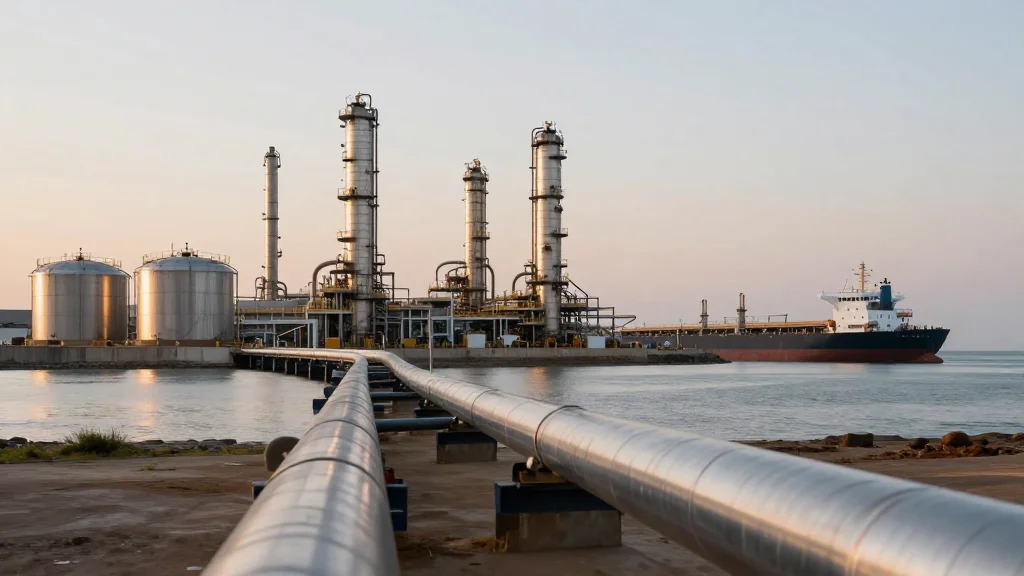
The recent escalation in the Strait of Hormuz has sent Brent crude repeatedly above $100 a barrel, prompting East African policymakers to double down on a home‑grown oil value chain. At the Nairobi "Africa We Build" summit, leaders outlined a coordinated approach: the Tanga Refinery Hub on Tanzania’s coast, backed by Nigerian magnate Aliko Dangote, will process crude delivered via the 1,445 km East African Crude Oil Pipeline from Uganda’s Lake Albert fields. By looping refined products back through an expanded Kenya Pipeline Company network, Kenya, Uganda, Tanzania and even the Democratic Republic of Congo aim to insulate themselves from future global supply shocks.
Financially, the scheme is a high‑stakes gamble. Construction costs and debt service rely on oil prices staying in the high‑price band that the Hormuz disruption currently provides. The United Arab Emirates’ abrupt exit from OPEC on 29 April signals a potential flood of cheap oil once the Gulf conflict eases, with analysts forecasting Brent could tumble to $35‑$40 per barrel. Such a collapse would undercut the economic case for the Tanga‑Hoima loop, especially when compared with Dangote’s already‑operational Lagos refinery, which enjoys lower capital exposure. Investors therefore face a classic stranded‑asset dilemma: fund a 20th‑century industrial project that may become obsolete within a decade.
Meanwhile, Africa’s renewable revolution is gathering pace. Kenya now generates over 90 % of its electricity from wind, solar and geothermal, fueling a 400 % surge in electric‑bus registrations in Nairobi. South Africa’s Just Energy Transition attracts $13.7 billion for grid upgrades, while Morocco’s Xlinks project will export 3.6 GW of wind‑solar power to the UK via a 3,800‑km subsea cable. Algeria’s "Solar 1,000" program adds 1 GW of solar annually, and Ethiopia’s hydro expansion and car‑import ban further reduce fossil‑fuel demand. This accelerating clean‑energy wave compresses the window for East Africa’s oil‑centric ambitions, forcing policymakers to balance immediate industrialization goals against a long‑term shift toward sustainable power sources.
Middle East crisis: Poison for the world, but meat for East Africa’s oil dreams?
Comments
Want to join the conversation?
Loading comments...