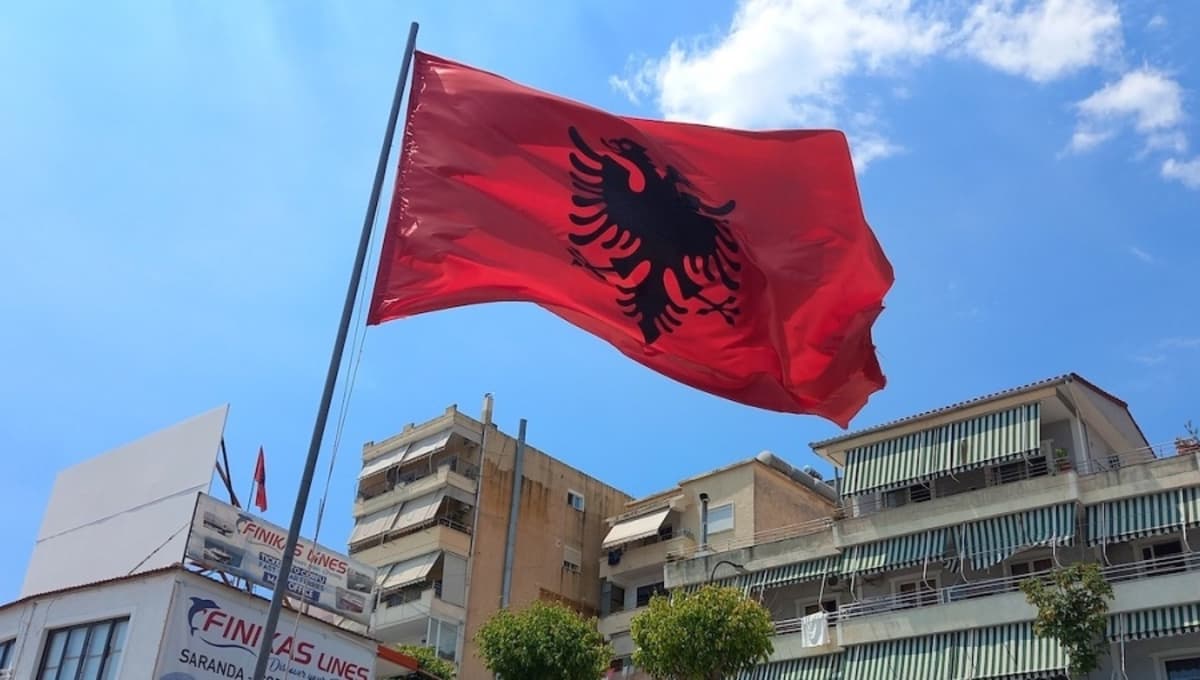
Montenegro and Albania Urged to Make the Case for EU Membership as 2030 Target Looms
Why It Matters
The analysis underscores that accession now hinges on winning domestic support across the EU, making the candidates’ economic and security cases critical for meeting the 2030 enlargement target.
Key Takeaways
- •EU enlargement faces resistance from far‑right parties in France, Germany
- •Montenegro and Albania must prove they are net assets, not burdens
- •Both nations aid NATO, boosting EU security on the Eastern flank
- •Albania’s electricity is almost fully renewable; Montenegro relies on hydropower
- •Structural reforms needed to tackle corruption, brain‑drain, and weak institutions
Pulse Analysis
The European Union has set a 2030 deadline for the Western Balkans to join, and Montenegro and Albania sit at the front of that timetable. A Carnegie Europe commentary released on April 14 argues that while accession talks are moving forward, the process now hinges on convincing skeptical member states, especially in France, Germany and the Netherlands, where far‑right parties are increasingly vocal about migration and budgetary concerns. The authors warn that without a clear, positive narrative, the enlargement agenda could stall before the decade’s end.
Security is the most tangible selling point. Both countries are NATO members and already participate in battlegroups on the Eastern front, joint exercises, and peacekeeping missions in Kosovo and Bosnia. By expanding their deployments, they can free up EU forces for the Ukraine front and reinforce the alliance’s deterrence posture. Moreover, the Adriatic‑to‑Black Sea transport corridors that run through Montenegro and Albania could become critical arteries for moving troops and equipment across Europe, adding a strategic logistics layer to their accession case.
Economic arguments must complement the security narrative. Albania now generates almost all of its power from renewable sources, while Montenegro’s grid is dominated by hydropower supplemented with wind and solar, positioning the region as a low‑carbon energy hub that can bolster EU resilience. In addition, lower labour and land costs make the Western Balkans attractive for data‑centre and AI infrastructure, offering a cost‑effective complement to existing European tech clusters. However, persistent challenges—weak institutions, corruption, and a brain‑drain of skilled workers—require deep reforms and tighter integration with the EU single market before the accession package can be presented as a net gain.
Montenegro and Albania urged to make the case for EU membership as 2030 target looms
Comments
Want to join the conversation?
Loading comments...