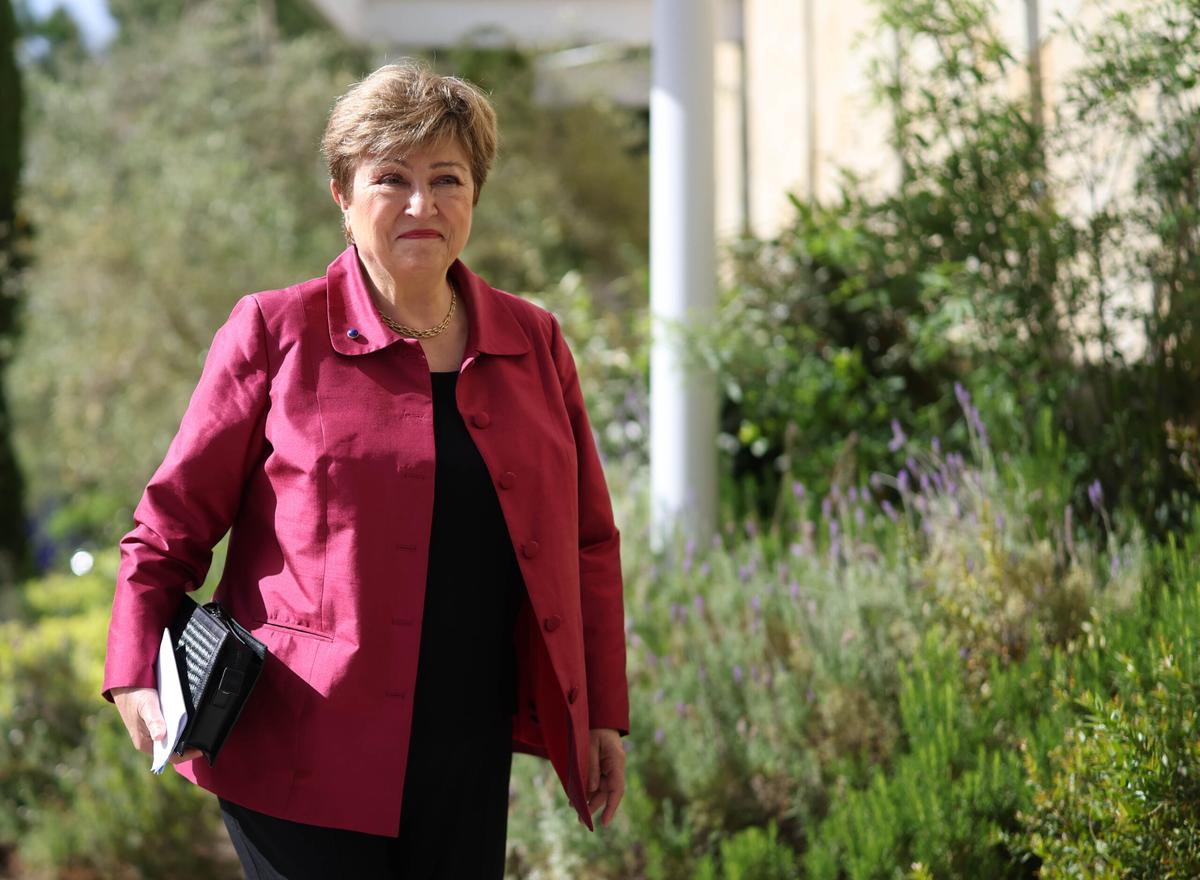
‘Numbers Are Getting Worse’: The Head of the IMF on the Iran War Shock, Inflation, AI Risks, and More
Companies Mentioned

Why It Matters
The IMF’s outlook signals tighter monetary policy and fiscal strain for both advanced and emerging economies, while the Europe‑Gulf alignment could reshape trade and security dynamics. AI’s dual‑edge impact adds urgency for policymakers to manage inequality and financial‑stability risks.
Key Takeaways
- •IMF warns oil price above $100 could stall global growth
- •Europe and Gulf aim to deepen trade, defense, and African cooperation
- •Untargeted fiscal aid may fuel inflation and tighten financial conditions
- •AI could add 0.8% growth but widen digital and financial divides
- •Prolonged Strait of Hormuz closure risks recession by 2027
Pulse Analysis
The IMF’s latest assessment underscores how the protracted closure of the Strait of Hormuz is feeding a feedback loop of higher oil prices, rising inflation and tighter credit conditions. With crude trading above $100 per barrel, central banks in Europe and the Gulf are likely to shift from accommodative stances to rate hikes, squeezing economies already grappling with limited fiscal space. This scenario mirrors the supply‑side shock of COVID‑19 but is compounded by geopolitical uncertainty, making the inflation‑growth trade‑off more acute for policymakers.
At the same time, the Europe‑Gulf Forum revealed a strategic pivot toward deeper economic and security collaboration. Both regions see mutual benefits in expanding trade flows, coordinating defense initiatives, and jointly engaging African markets, where proximity and investment opportunities align. Such cooperation could diversify revenue streams for Gulf states beyond hydrocarbons and provide European firms with new growth avenues, potentially offsetting some of the downside from higher energy costs.
Looking ahead, Georgieva warned that artificial‑intelligence, while capable of delivering up to 0.8% incremental growth, may also widen the digital and financial divide. Countries with robust digital infrastructure and skilled workforces stand to capture productivity gains, whereas those lagging could face heightened inequality and financial‑stability risks. The IMF’s call for targeted fiscal measures and coordinated policy responses reflects a broader need to balance technological advancement with inclusive growth, especially as the world navigates the lingering shadows of the Iran‑related war and its macroeconomic fallout.
‘Numbers are getting worse’: The head of the IMF on the Iran war shock, inflation, AI risks, and more
Comments
Want to join the conversation?
Loading comments...