On China, Trump Picked the Right Battle but the Wrong Strategy
Why It Matters
The emerging trade war will lift consumer prices, disrupt manufacturing, and heighten geopolitical risk, making a unified policy response essential for global economic stability.
Key Takeaways
- •Trump’s blanket tariffs lack focus, fueling a chaotic trade war
- •China uses rare‑earth and chip exports as geopolitical leverage
- •EU, Canada, and others are pursuing alternative supply chains
- •Coordinated tariffs, subsidies, and diversification are needed to limit economic pain
Pulse Analysis
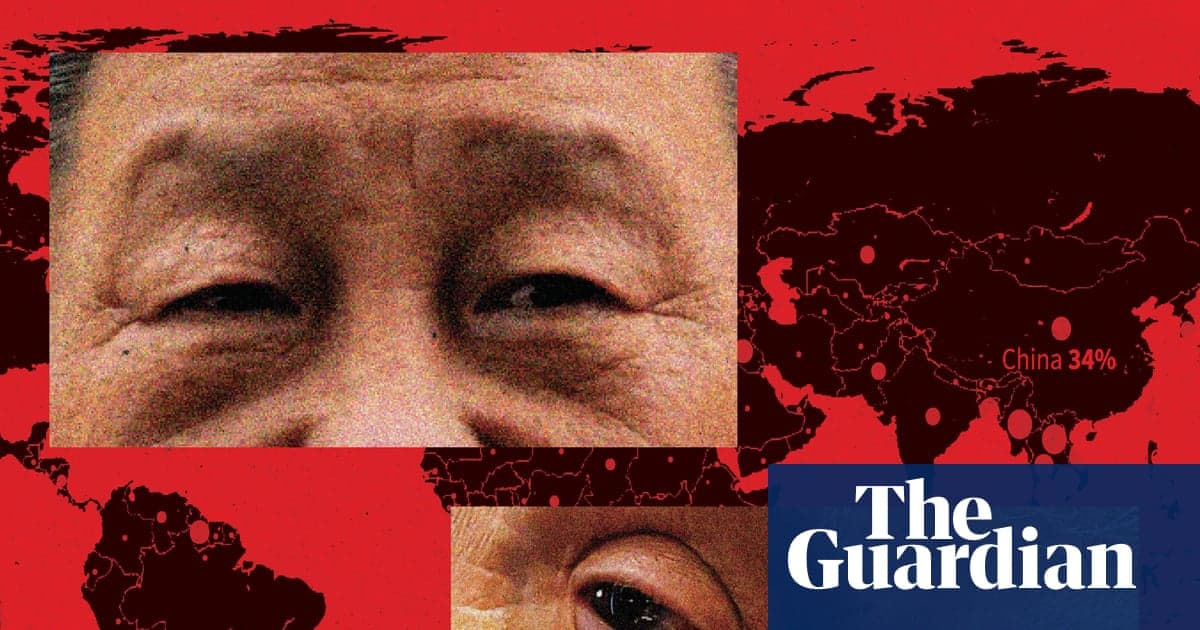
The United States’ pivot to China as the focal point of its trade agenda was inevitable given Beijing’s outsized share of global manufacturing—over one‑third of output and more than half of exports in key product categories. Yet the Trump administration’s reaction—raising tariffs across a broad swath of goods without a clear hierarchy—has turned a strategic contest into a policy quagmire. This scattershot approach not only alienated potential allies but also left American firms scrambling to absorb higher input costs while offering little in the way of long‑term competitive advantage.
China’s leverage extends far beyond finished goods; it commands near‑monopolies in rare‑earth magnets, advanced semiconductor components and critical minerals essential for electric vehicles, defense systems and renewable energy. Past episodes—such as the 2010 rare‑earth embargo against Japan and recent curbs on Dutch chipmaker Nexperia—demonstrate Beijing’s willingness to weaponise supply chains to extract political concessions. As the World Trade Organization records hundreds of antidumping investigations targeting Chinese exports, the risk of supply disruptions becomes a tangible threat to manufacturers worldwide, prompting a scramble for alternative sources in regions like Southeast Asia and Africa.
Policymakers now face a choice: continue the reactive tariff spiral or adopt a coordinated, strategic framework that aligns tariffs, export controls and targeted subsidies with a broader supply‑chain diversification agenda. The Biden administration’s early steps—subsidising domestic chip fabs and funding critical mineral projects—illustrate a more nuanced playbook, but success hinges on multilateral cooperation with Europe, Canada, Japan and emerging partners such as Indonesia. By focusing on high‑value, strategically vital sectors and building resilient, geographically dispersed supply networks, the West can mitigate price shocks while limiting China’s ability to wield economic coercion as a geopolitical weapon.
On China, Trump picked the right battle but the wrong strategy
Comments
Want to join the conversation?
Loading comments...